Why Your Facility Needs Custom Process Hoppers for Enhanced Workflow
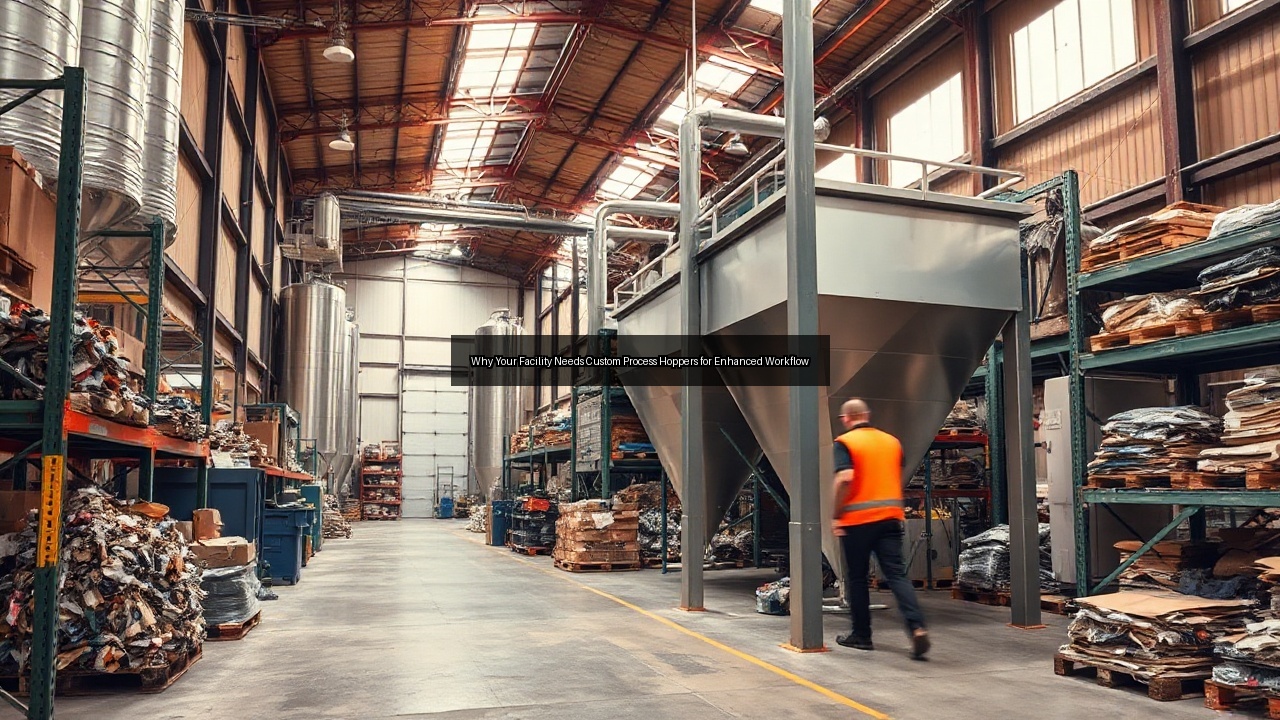
Understanding the Role of Custom Process Hoppers in Workflow Efficiency
Definition and Importance of Custom Process Hoppers
Custom process hoppers serve as specialized containers designed to manage and direct the flow of bulk materials through industrial operations. Facilities rely on these units to maintain consistent material movement without interruptions that plague standard off-the-shelf options. Engineers tailor each hopper to match exact production demands, which prevents bottlenecks and supports higher output rates across manufacturing lines.
Companies integrate custom process hoppers into daily routines because they address unique challenges that generic equipment cannot resolve. For instance, operations handling varying particle sizes or abrasive substances benefit from reinforced walls and precise discharge angles. This customization reduces downtime and extends equipment lifespan, delivering measurable gains in overall facility performance.
Custom process hoppers also contribute to safer environments by controlling material release and minimizing spills. Workers experience fewer hazards when hoppers align perfectly with existing workflows. The result appears in streamlined processes that boost productivity while lowering maintenance costs over time.
How Custom Hoppers Integrate with Existing Systems
Custom hoppers connect seamlessly with silos, conveyor systems, and other storage solutions already present in a facility. Engineers evaluate current layouts before fabrication begins, ensuring discharge points match conveyor belt heights and speeds. This precise fitting eliminates transfer points that often cause material loss or contamination.
Integration extends to automated controls that synchronize hopper gates with conveyor operations. When a sensor detects low levels on the line, the hopper releases material at the required rate. Such coordination keeps manufacturing continuous and prevents the stop-start cycles that reduce efficiency.
Facilities that adopt custom process hoppers report smoother transitions between storage and processing stages. The hoppers adapt to existing pallet racks and guardrails without requiring major structural changes. This compatibility allows teams to upgrade material handling while preserving investments in current infrastructure.
Benefits of Utilizing Custom Process Hoppers
Enhanced Productivity in Manufacturing Processes
Custom process hoppers accelerate manufacturing cycles by delivering bulk materials at controlled rates that match machine requirements. Operators no longer wait for manual refills or adjust inconsistent flows from standard containers. The result shows up as higher throughput and fewer idle moments on the production floor.
Companies track productivity gains through metrics such as reduced cycle times and increased units completed per shift. Custom hoppers support these improvements by maintaining steady supply to mixers, presses, and assembly stations. Workers focus on value-added tasks rather than troubleshooting material delivery issues.
Facilities that install custom process hoppers often expand capacity without adding shifts or equipment. The hoppers optimize existing resources, turning potential waste into usable output. This efficiency compounds across multiple production lines and strengthens competitive positioning in demanding markets.
Improved Handling of Bulk Materials
Custom process hoppers excel at managing bulk materials that range from fine powders to coarse aggregates. Their tailored shapes, including cone bottoms, promote complete discharge and prevent bridging or rat-holing that disrupts operations. Operators achieve cleaner transfers with less residue left behind.
Handling improves further when hoppers incorporate features suited to specific materials, such as stainless steel liners for corrosive substances or sheet metal reinforcements for heavy loads. These choices protect both the hopper and the product during storage and movement. Reduced contamination and degradation preserve material quality from intake to final use.
Recycling operations gain particular advantages from custom process hoppers designed for scrap and recyclables. The units separate and direct different grades without cross-contamination, supporting efficient sorting before further processing. This capability turns waste streams into valuable inputs for new production runs.
Streamlined Interaction with Conveyor Systems
Custom process hoppers align discharge mechanisms directly with conveyor systems to create uninterrupted material paths. Adjustable gates regulate flow rates so conveyors receive steady loads without overload or starvation. This synchronization prevents belt slippage and motor strain that shorten equipment life.
Engineers position hoppers to feed multiple conveyors from a single source when facility layouts require it. The design accounts for conveyor speed variations and incline angles, ensuring materials travel smoothly to the next stage. Facilities report fewer jams and less manual intervention after installation.
Integration with conveyor systems also supports traceability and inventory accuracy. Sensors on custom process hoppers track material quantities as they move onto conveyors, feeding data into warehouse management platforms. Managers maintain precise records that aid scheduling and reduce stock discrepancies.
Materials and Fabrication Techniques for Custom Process Hoppers
Choosing the Right Material: Stainless Steel vs. Sheet Metal
Stainless steel offers superior corrosion resistance for custom process hoppers that handle chemicals, food products, or outdoor exposure. Its smooth surface resists buildup and simplifies cleaning between batches. Facilities in regulated industries select this material to meet hygiene standards while maintaining structural integrity under continuous use.
Sheet metal provides a cost-effective alternative for hoppers managing dry, non-corrosive bulk materials. Fabricators apply coatings or treatments to extend service life in abrasive environments. The lighter weight of sheet metal hoppers eases installation on elevated platforms or mobile units equipped with casters.
Selection between stainless steel and sheet metal depends on the specific application and expected lifespan. Custom process hoppers built from either material deliver reliable performance when matched correctly to operating conditions. Proper material choice reduces replacement frequency and supports long-term budget control.
Advanced Fabrication Techniques for Durability and Performance
Fabrication of custom process hoppers employs precision cutting, welding, and forming methods that produce seamless joints and accurate dimensions. These techniques eliminate weak points that lead to leaks or structural failure under heavy loads. The result is equipment that withstands daily rigors across manufacturing environments.
Advanced processes include laser alignment for cone sections and automated polishing for interior surfaces. Such attention to detail ensures materials flow freely without hang-ups. Facilities benefit from hoppers that require minimal upkeep while preserving product purity during transfer.
Custom fabrication also incorporates reinforcements at high-stress areas such as discharge gates. These additions extend operational life and maintain consistent performance even with abrasive or dense bulk materials. Companies gain equipment tailored to exact specifications rather than compromising with standard models.
Design Considerations When Implementing Custom Process Hoppers
Optimal Dimensions for Maximum Efficiency
Dimensions of custom process hoppers directly influence storage capacity and discharge speed. Engineers calculate volume requirements based on production rates and material density to avoid oversizing that wastes floor space or undersizing that causes frequent refills. Proper sizing supports continuous operation without excess inventory on the floor.
Height and footprint must fit within available areas near conveyor systems or pallet racks. Custom designs optimize these measurements to maximize usable capacity while preserving access for maintenance and cleaning. Facilities achieve better space utilization when hoppers match their specific layout constraints.
Accurate dimensions also affect stability and load distribution. Custom process hoppers engineered with balanced proportions remain steady even when full, reducing the risk of tipping during loading or movement. This stability contributes to safer workflows and protects both personnel and equipment.
Integration with Pallet Racks and Guardrails
Custom process hoppers integrate with pallet racks through mounting brackets and support frames that align with existing rack uprights. This approach keeps hoppers accessible for forklift loading while maintaining clear aisles. Facilities preserve efficient warehousing practices without sacrificing material handling upgrades.
Guardrails protect both hoppers and workers when units sit near traffic paths. Custom designs include attachment points for guardrail systems that prevent accidental impacts without obstructing discharge operations. The combined setup maintains safety standards while supporting high-volume material movement.
Successful integration requires coordination between hopper fabricators and warehouse planners. Measurements account for rack beam heights and guardrail clearances so hoppers fit without modification to surrounding infrastructure. The outcome is a cohesive system that enhances rather than disrupts established warehousing flows.
Custom Features for Specific Applications: Gates and Casters
Gates on custom process hoppers control material release with precision, allowing operators to adjust flow for different recipes or batch sizes. Manual or automated gate options match the level of control required by each process. This flexibility supports quick changeovers between products and reduces material waste during transitions.
Casters enable mobility for hoppers that serve multiple stations or require relocation for cleaning. Heavy-duty wheels rated for full loads allow one operator to reposition units without cranes or additional staff. Facilities gain operational agility when hoppers move easily between conveyor lines or storage areas.
These features combine with other custom elements such as level sensors and vibration aids to address application-specific challenges. Custom process hoppers equipped this way deliver targeted solutions that standard equipment cannot match. The investment returns value through reduced labor and improved process reliability.
Case Studies: Successful Implementation of Custom Process Hoppers
Impact on Warehousing and Inventory Management
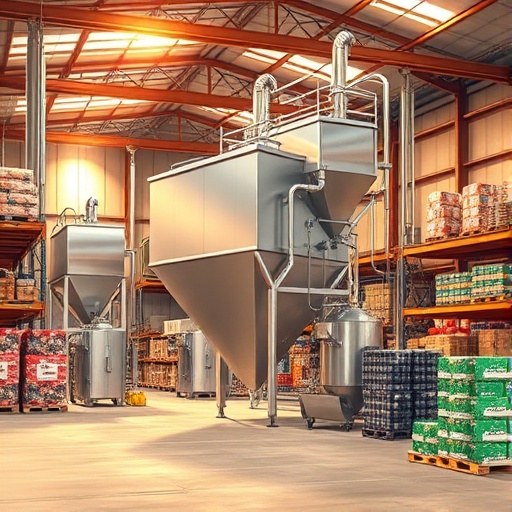
One manufacturing company installed custom process hoppers to connect directly with pallet racks and conveyor systems in its warehousing area. The hoppers automated material dispensing, which reduced manual counting and improved inventory accuracy. Managers gained real-time visibility into stock levels without additional scanning steps.
Implementation cut retrieval times for bulk materials by more than half. Workers pulled exact quantities needed for production instead of estimating from bulk piles. This precision lowered over-ordering and minimized expired or obsolete inventory that previously accumulated in the warehouse.
The company reported sustained productivity increases across shifts because custom process hoppers eliminated waiting periods at the start of each run. Inventory turnover improved as materials moved steadily from storage through processing. Overall warehousing efficiency rose without expansion of the physical footprint.
Recycling and Handling of Recyclables and Scrap Materials
A recycling facility deployed custom process hoppers to sort and direct recyclables and scrap into separate processing streams. The hoppers featured multiple gates and internal dividers that prevented mixing of metal grades during transfer to conveyor systems. Throughput increased as operators maintained continuous flow without manual sorting interruptions.
Custom fabrication from durable sheet metal withstood the abrasive nature of scrap loads while resisting deformation under repeated use. The hoppers integrated with existing guardrails and concrete pads, requiring minimal site preparation. Recycling rates improved because materials reached their designated stations faster and with less loss.
Staff noted cleaner work areas and reduced equipment wear after installation. Custom process hoppers streamlined the entire recycling workflow from intake to output, contributing to higher recovery volumes and better material quality for downstream manufacturers. The project demonstrated clear returns on investment through operational savings and increased capacity.
See Also
- Navigating the World of Custom Hoppers for Industrial Applications
- The Role of Custom Process Hoppers in Sustainable Recycling Solutions
- Tailoring Your Bulk Material Handling with Custom Process Hoppers
- Custom Process Hoppers A Game Changer for Scrap Material Management
- Exploring the Benefits of Stainless Steel Custom Hoppers in Harsh Environments