Why Custom Teflon Seals are the Ultimate Solution for Chemical Resistance
Understanding Custom Teflon Seals
What Are Custom Teflon Seals?
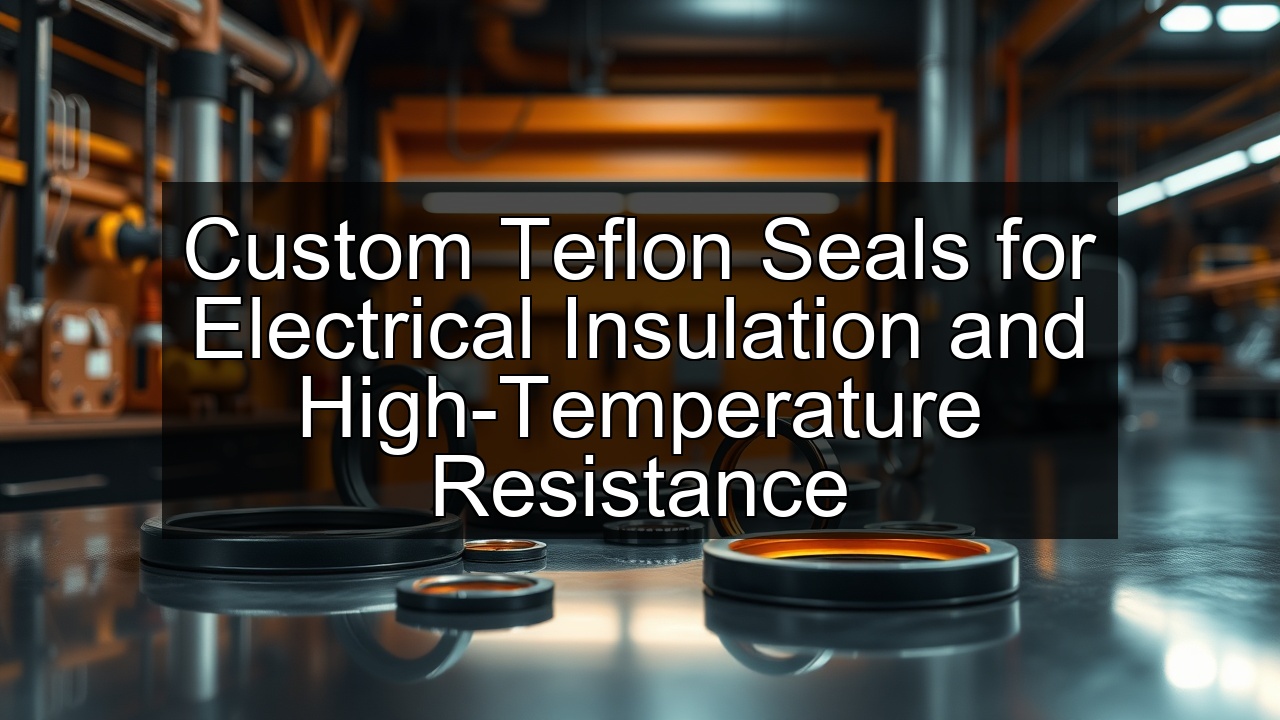
Custom Teflon seals stand out as precision-engineered components designed to prevent leaks and contamination in demanding environments. These seals, often crafted from polytetrafluoroethylene (PTFE), a versatile fluoropolymer known as Teflon, offer tailored solutions for specific applications. Unlike off-the-shelf options, custom Teflon seals adapt to unique dimensions, shapes, and performance needs, ensuring a perfect fit in machinery and systems. Engineers specify these seals for their ability to handle extreme conditions, from high pressures to corrosive chemicals. In industries like chemical processing and oil and gas, companies rely on custom seals to maintain operational integrity. PTFE's molecular structure creates a robust barrier, making these seals ideal for gaskets and O-rings that demand reliability. When searching for custom seal solutions, professionals turn to Teflon for its unmatched adaptability. Manufacturers start with bar stock PTFE plastic and machine it into intricate designs, incorporating tolerances as tight as 0.001 inches for precision. This customization elevates standard seals into high-performance assets, addressing challenges like volume expansion in hydraulic systems or exposure to hydrogen and other aggressive substances.
Properties of Teflon and PTFE
Teflon, the brand name for PTFE, delivers exceptional properties that make it a top choice for seals. This fluoropolymer exhibits superior chemical resistance, repelling acids, bases, and solvents that degrade other plastics. PTFE's low friction coefficient ensures smooth operation in moving parts, reducing wear on pistons and valves. It withstands temperatures from -400°F to 500°F, far surpassing many thermoplastics, which makes it perfect for hot oil environments or cryogenic applications. The non-stick surface of Teflon seals prevents buildup, simplifying maintenance in pumps and hydraulic cylinders. As part of the PFAS family, PTFE provides electrical insulation, acting as reliable insulators in high-voltage setups. Its density and flexibility allow it to function as a gasket in bell jar experiments or vacuum systems, where airtight seals prevent gas leaks. Unlike rubber, PTFE maintains integrity under constant compression, avoiding cracks from chemical attack. In material selection, engineers value PTFE's hydrophobicity, which resists water and oils, ensuring longevity in wet conditions. These properties position custom Teflon seals as indispensable in scenarios requiring both mechanical strength and chemical inertness, from laboratory equipment to industrial machinery.
Applications in Various Industries
Custom Teflon seals find essential roles across diverse sectors, leveraging their chemical resistance and durability. In the pharmaceutical industry, they seal valves and pumps handling aggressive solvents, preventing contamination and ensuring compliance with strict regulations. Aerospace engineers use PTFE seals in fuel systems for their lightweight and high-temperature tolerance, protecting against jet fuel corrosion. The food processing sector benefits from non-stick Teflon properties in gaskets that contact edible oils, maintaining hygiene without residue adhesion. In electronics, custom seals provide electrical insulation around insulators in circuit boards exposed to humid or chemical atmospheres. Automotive manufacturers incorporate them in piston rings to seal combustion chambers, enduring heat and gasoline exposure. The oil and gas industry deploys these seals in downhole tools, where they resist hydrogen sulfide and high-pressure brines. Chemical plants rely on machined PTFE seals for reactors, customizing shapes to fit irregular flanges. Even in research labs, bell jar setups use Teflon gaskets for vacuum seals, isolating experiments from atmospheric interference. This versatility stems from PTFE's broad compatibility, making custom Teflon seals a go-to for any application demanding precision and resilience against environmental stressors.
Chemical Resistance of Custom Teflon Seals
Why Choose Teflon for Chemical Resistance?
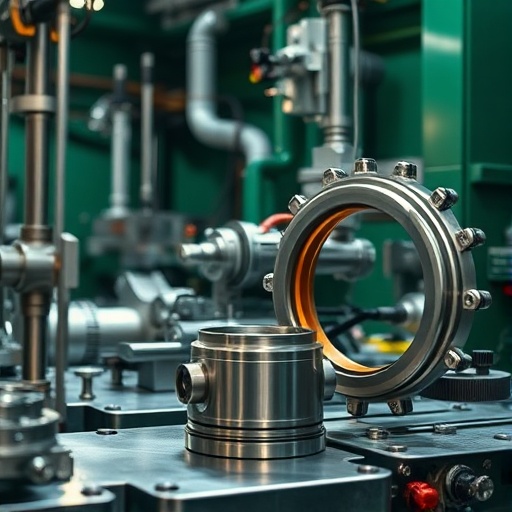
Engineers choose Teflon for chemical resistance because its carbon-fluorine bonds create an impenetrable shield against most substances. Custom Teflon seals endure immersion in hydrochloric acid, sodium hydroxide, or even molten metals without degrading, a feat unmatched by standard elastomers. This inertness prevents swelling, cracking, or dissolution, ensuring seals maintain their shape under prolonged exposure. In scenarios involving hydrogen or chlorinated solvents, PTFE's stability avoids hazardous leaks that could compromise safety. Companies in corrosive environments, like wastewater treatment, specify custom seals to handle pH extremes from 0 to 14. The fluoropolymer's low permeability blocks gas diffusion, vital for containing volatile chemicals in storage tanks. Unlike metals that corrode or rubbers that absorb fluids, Teflon seals offer a non-reactive surface that extends equipment life. For applications requiring high purity, such as semiconductor manufacturing, PTFE eliminates contamination risks from seal breakdown. Selecting custom Teflon seals guarantees performance in dynamic systems where chemicals fluctuate in concentration and temperature, providing peace of mind for operators and reducing downtime from seal failures.
Comparing Teflon to Other Materials
Teflon outshines alternatives like Viton, EPDM, or silicone in chemical resistance comparisons. While Viton handles oils well, it falters against strong ketones and amines, where PTFE remains unaffected. EPDM excels in water-based systems but swells in hydrocarbons, unlike Teflon's universal tolerance. Silicone offers flexibility but degrades under high temperatures and certain acids, whereas custom Teflon seals thrive in extremes up to 500°F. Metal gaskets provide strength yet corrode in acidic conditions, a vulnerability PTFE avoids entirely. In terms of cost, initial PTFE investment pays off through longevity, contrasting with frequent replacements of cheaper plastics. For electrical insulation, Teflon's dielectric properties surpass those of nylon or polyethylene, making it ideal for insulators in chemical plants. When evaluating for pumps or valves, PTFE's non-stick nature reduces friction more than UHMWPE, minimizing energy loss. In the oil and gas industry, where seals face crude oil and drilling muds, Teflon's resistance to abrasion and chemicals edges out competitors. Overall, custom Teflon seals deliver superior performance, justifying their use in critical applications over less resilient materials.
Understanding Resistance Parameters
Resistance parameters for custom Teflon seals encompass chemical compatibility, temperature range, pressure tolerance, and exposure duration. PTFE resists over 90% of chemicals at room temperature, but performance varies with concentration—dilute acids pose less threat than fuming nitric acid. Temperature plays a key role; above 400°F, resistance to some fluorides diminishes, yet it outperforms thermoplastics in most cases. Pressure ratings reach 10,000 psi in machined seals, depending on design thickness and compression set. Volume changes remain minimal, with PTFE expanding less than 1% in solvents, preserving seal integrity. Engineers assess parameters using ASTM standards, testing seals in simulated environments like oil immersion or hydrogen atmospheres. For valves in chemical processing, low friction ensures seals handle cyclic loading without fatigue. In hydraulic cylinders, parameters include shear resistance to prevent extrusion under high volumes. Custom seals incorporate fillers like glass to enhance specific parameters, such as compressive strength in high-temperature oils. Understanding these factors allows precise material selection, optimizing seals for parameters like pH, viscosity, and flow rates in pumps or piston systems.
Design and Manufacturing of Custom Teflon Seals
Machining Processes for Custom Seals
Machining processes for custom Teflon seals begin with selecting high-quality PTFE bar stock, then employing CNC lathes and mills for precision shaping. Engineers design seals using CAD software to achieve complex geometries, like custom O-rings or gaskets with undercuts for valves. Turning operations create smooth surfaces, reducing friction in piston applications, while milling handles flat gaskets for flanges. Waterjet cutting offers clean edges without heat distortion, ideal for thin PTFE plastic sections. Post-machining, annealing relieves internal stresses, enhancing dimensional stability in temperature-variable environments. For oil and gas components, multi-axis machining fabricates seals resistant to high-pressure chemicals. Tolerances down to ±0.0005 inches ensure leak-free performance in hydraulic pumps. Unlike injection molding for other plastics, machining PTFE preserves its fluoropolymer integrity, avoiding voids that compromise resistance. Skilled technicians monitor tool wear, as Teflon's abrasiveness demands diamond-coated bits. This meticulous process yields custom seals tailored for specific needs, from bell jar insulators to robust piston rings, ensuring reliability in demanding industrial settings.
Tolerances and Customization Options
Tolerances in custom Teflon seals dictate their effectiveness, with standard ranges from ±0.005 to ±0.001 inches for critical dimensions. Tight tolerances prevent gaps in high-pressure hydraulic cylinders, where even minor deviations cause leaks. Customization options include varying durometers, from soft 50A for dynamic seals to rigid 90A for static gaskets. Engineers add features like grooves or lips to enhance sealing in valves exposed to oils. Color coding with pigments aids identification in complex assemblies, while fillers like carbon boost conductivity for electrical insulation needs. For the oil and gas industry, options extend to radiation-resistant grades for downhole tools. Prototyping via 3D printing verifies designs before full machining, minimizing errors. Custom seals accommodate unusual shapes, such as bellows for pumps handling corrosive volumes. Material selection integrates tolerances with performance, ensuring seals withstand temperature swings without warping. Companies offering these services provide iterative feedback, refining tolerances to match exact parameters like compression ratio or chemical exposure. This flexibility makes custom Teflon seals indispensable for bespoke applications across thermoplastics users.
Material Selection for Optimal Performance
Material selection for custom Teflon seals focuses on PTFE variants to match operational demands. Virgin PTFE suits pure chemical resistance, while filled grades—like 15% glass for wear resistance—excel in sliding applications like piston rings. Bronze-filled PTFE enhances thermal conductivity for high-temperature valves, preventing heat buildup in oil systems. For electrical insulators, unfilled Teflon provides superior dielectric strength. Engineers consider compatibility with specific chemicals, such as hydrogen, selecting low-outgassing grades for vacuum seals in bell jars. Cost and availability influence choices; expanded PTFE offers compressibility for irregular surfaces without sacrificing resistance. In hydraulic cylinders, anti-extrusion fillers prevent deformation under pressure. Surface treatments, like etching, improve bonding in assemblies. For the chemical industry, FDA-compliant grades ensure safety in food-contact pumps. Balancing properties like flexibility and hardness optimizes performance, extending seal life in aggressive environments. Thorough testing validates selections, confirming seals meet parameters for temperature, volume, and abrasion. This strategic approach ensures custom Teflon seals deliver peak efficiency tailored to each application's unique challenges.
Applications of Custom Teflon Seals in Critical Systems
Use in Hydraulic Cylinders and Pumps
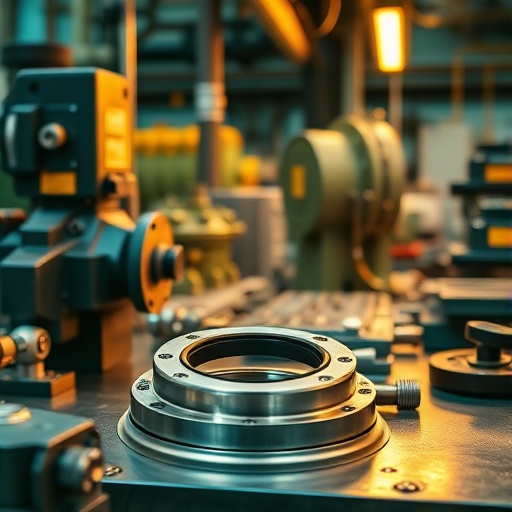
Custom Teflon seals excel in hydraulic cylinders, where they contain high-pressure fluids while resisting oil and hydraulic additives. These seals, machined from PTFE, withstand pressures up to 5,000 psi, preventing leaks that could halt operations in construction equipment. In pumps, non-stick properties reduce drag on moving parts, boosting efficiency and lowering energy use. Engineers design custom seals with precise tolerances to fit rod and piston diameters, accommodating volume changes from temperature fluctuations. In chemical processing pumps, PTFE's resistance to solvents like acetone ensures no degradation, maintaining flow rates. For offshore platforms, seals handle seawater and corrosive brines without swelling. Gaskets made from Teflon seal cylinder heads, providing electrical insulation against stray currents. Compared to rubber alternatives, these seals offer longer intervals between replacements, cutting maintenance costs. In variable-speed pumps, low friction minimizes heat generation, protecting against thermal breakdown. Companies specify custom options for unique bore sizes, integrating fillers for enhanced lubricity. This reliability makes Teflon seals the backbone of hydraulic systems in manufacturing and heavy industry.
Sealing Solutions for Valves and Piston Rings
Sealing solutions for valves rely on custom Teflon seals to isolate flows of gases and liquids, ensuring zero leakage in control systems. PTFE's chemical resistance protects against valve stem corrosion from acids or oils, extending service life in refineries. Piston rings crafted from machined Teflon reduce blow-by in engines, sealing combustion chambers with minimal wear on cylinder walls. These rings, often filled for added strength, handle temperatures over 300°F without carbonizing. In cryogenic valves, low-temperature flexibility prevents cracking, vital for LNG facilities. Custom designs include split rings for easy installation in pistons, with tolerances ensuring tight fits. Non-stick surfaces ease disassembly during maintenance, unlike sticky elastomers. For ball valves in chemical plants, O-ring seals from Teflon withstand hydrogen and chlorine without embrittlement. Electrical insulation properties suit solenoid valves in automated setups. In automotive applications, piston seals improve fuel efficiency by optimizing compression. Tailored solutions address specific parameters like stroke length or media velocity, making custom Teflon seals essential for precision sealing in dynamic valve and piston environments.
Role in the Oil and Gas Industry
In the oil and gas industry, custom Teflon seals play a pivotal role in withstanding harsh downhole conditions and surface equipment demands. PTFE seals in drilling rigs resist crude oil, drilling muds, and hydrogen sulfide, preventing catastrophic failures at depths over 10,000 feet. For subsea valves, their buoyancy and corrosion resistance ensure reliable operation in saltwater. Custom gaskets seal pipeline flanges, tolerating pressures exceeding 2,000 psi and temperatures up to 400°F. In compressors, piston rings from Teflon minimize gas leakage, enhancing compression ratios for natural gas transport. Non-stick properties combat paraffin buildup in oil lines, reducing cleaning frequency. Engineers select filled PTFE for abrasive environments, like sand-laden flows, to boost durability. Electrical insulators made from these seals protect sensors in explosive atmospheres. For fracking operations, seals handle high-volume hydraulic fluids without extrusion. Companies integrate custom designs with API standards, ensuring compliance. Teflon's broad chemical resistance covers everything from sour gas to biofuels, making it indispensable. This adaptability supports the industry's push for efficiency and safety, from exploration to refining.
Benefits of Using Custom Teflon Seals
Durability and Longevity
Custom Teflon seals boast unmatched durability, lasting up to 10 times longer than traditional rubber seals in aggressive settings. PTFE's inherent strength resists mechanical stress, abrasion, and chemical attack, maintaining integrity in pumps cycling thousands of times daily. In hydraulic cylinders, they endure constant pressure without hardening or cracking, unlike elastomers that age rapidly. High-temperature stability prevents melting or deformation in oil environments, ensuring consistent performance over years. Low compression set—under 20% after prolonged loading—keeps seals effective, reducing leak risks. For piston rings, Teflon's wear resistance extends engine life by minimizing cylinder scoring. In chemical plants, exposure to solvents causes no surface erosion, preserving dimensions. Custom machining allows reinforcements for high-load applications, like valves in high-volume flows. Compared to metals, PTFE avoids rust and fatigue, offering lightweight longevity. Regular inspections reveal minimal degradation, slashing replacement schedules. This extended lifespan translates to fewer disruptions, making custom Teflon seals a smart investment for industries prioritizing reliability and uptime.
Non-Stick Properties and Maintenance
Non-stick properties of custom Teflon seals simplify maintenance by repelling adhesives, residues, and contaminants that plague other materials. In pumps handling viscous oils, PTFE surfaces shed buildup effortlessly, preventing clogs and efficiency drops. Cleaning requires just a wipe-down, unlike sticky gaskets needing solvents or disassembly. This trait shines in food processing valves, where hygiene demands quick, residue-free seals. Low friction reduces galling on mating parts, easing installation and removal during overhauls. For piston applications, non-stick rings slide smoothly, cutting lubrication needs and wear. In chemical reactors, seals resist polymer adhesion, maintaining flow paths. Electrical insulators benefit too, as dust and oils don't accumulate, preserving conductivity. Custom designs incorporate textures to further enhance release in bell jar setups. Maintenance crews report 50% less time spent on seal-related tasks, boosting productivity. Even under hydrogen exposure, PTFE's surface stays pristine, avoiding embrittlement. These properties not only extend usability but also lower operational costs through streamlined upkeep, positioning Teflon seals as maintenance-friendly powerhouses.
Cost-Effectiveness in the Long Run
Custom Teflon seals prove cost-effective over time by minimizing downtime, replacements, and ancillary expenses. Initial higher material costs offset through durability—seals last 5-7 years versus 1-2 for alternatives, slashing procurement frequency. In oil and gas, reduced leaks prevent environmental fines and cleanup bills, often exceeding seal prices. Energy savings from low friction in hydraulic systems cut power consumption by up to 15%. Maintenance reductions free labor for productive tasks, improving ROI. For valves in chemical plants, PTFE's resistance avoids corrosion-related shutdowns, which can cost thousands per hour. Custom tolerances ensure first-fit success, eliminating rework expenses. In high-volume pumps, fewer failures mean consistent output, protecting revenue streams. Compared to frequent elastomer swaps, Teflon's longevity yields 30-50% savings over a system's life. Scalable manufacturing from bar stock keeps per-unit costs down for bulk orders. Companies calculate total ownership costs, where Teflon excels in parameters like temperature and chemical exposure. This strategic value makes custom seals a financially savvy choice for forward-thinking operations.
See Also
- The Hidden Benefits of Custom Teflon Seals in the Oil and Gas Industry
- Custom Teflon Seals vs Traditional Gaskets Which is Right for You
- Unlocking the Power of Custom Teflon Seals for Hydraulic Applications
- A Deep Dive into Material Selection for Custom Teflon Seal Manufacturing
- Custom Teflon Seals Transforming the Future of Pump and Valve Technologies