Unlocking the Secrets of Commercial Dehumidifiers for Humidity Control
Understanding Commercial Dehumidifiers
What is a Commercial Dehumidifier?
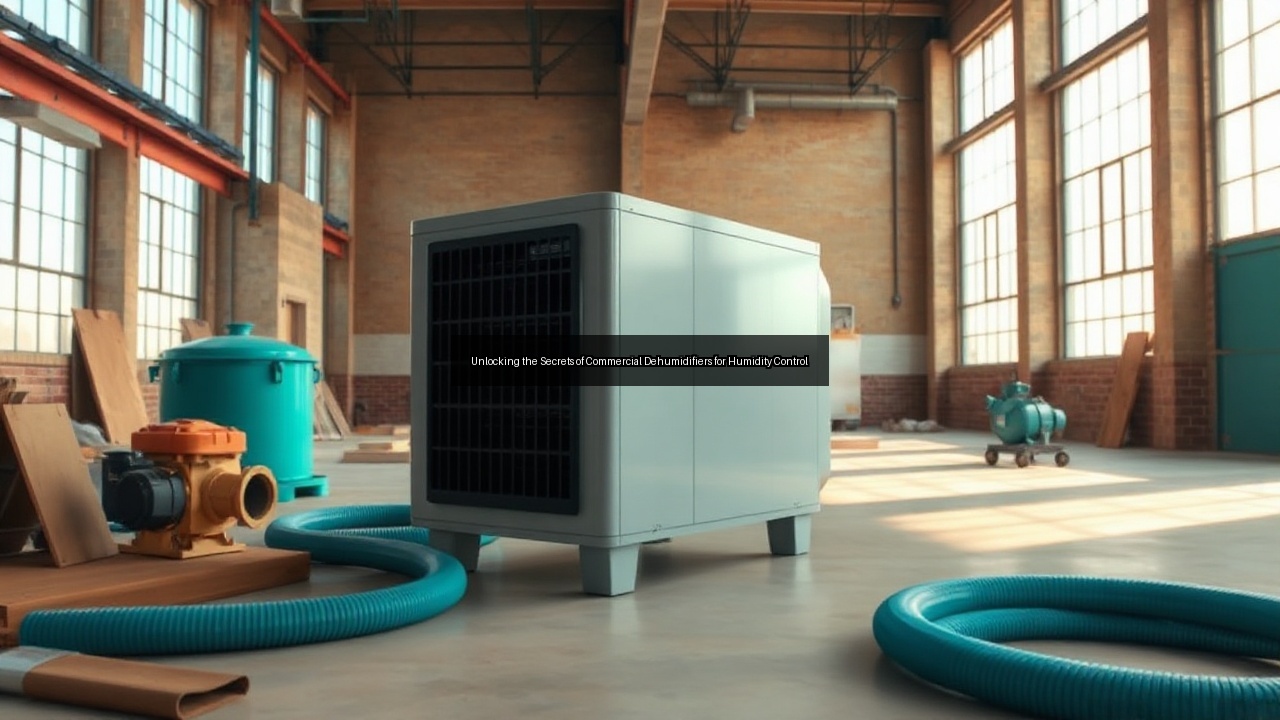
A commercial dehumidifier pulls excess moisture from large indoor environments to maintain stable conditions. These units handle high volumes of air in spaces where standard residential models fail. Operators rely on them during restoration after flooding or in facilities that demand precise humidity control. The equipment extracts water through refrigeration coils or desiccant materials and collects it for disposal via a built-in pump and hose system. Commercial dehumidifier units often feature robust construction to withstand continuous operation in demanding settings like warehouses or production floors. Users monitor performance through pints removed per day ratings that indicate capacity. Proper sizing prevents mold growth and protects inventory from damp-related damage while supporting HVAC systems that struggle alone with heavy moisture loads.
Types of Commercial Dehumidifiers
Refrigerant-based models cool air to condense moisture and work best in moderate temperatures. Desiccant commercial dehumidifiers use moisture-absorbing materials for effective dehumidification in cooler or low-temperature areas. Portable units offer flexibility for temporary jobs in construction sites, while whole-building systems integrate with existing ductwork for permanent humidity control. Low-grain refrigerant options excel at pulling moisture to very low levels during aggressive drying projects. Each type addresses specific needs in commercial dehumidifier applications, from warehouse storage to spa environments where consistent temperature and humidity matter. Selection depends on the space size, required CFM airflow, and whether continuous drainage via pump and hose is necessary.
Key Features to Look For
Look for commercial dehumidifier units with high pints-per-day capacity to match the moisture load. Built-in pumps and hoses simplify drainage without constant monitoring. Energy Star certification signals efficient operation that reduces electricity costs during long runs. Adjustable airflow settings and variable fan speeds help direct dehumidified air precisely. Digital controls allow accurate humidity targeting, while durable casings resist wear in harsh commercial settings. Sound pressure level ratings matter in occupied spaces such as offices or spas. Additional features like auto-restart after power loss and washable filters extend service life. These elements combine to deliver reliable performance across construction drying, warehouse protection, and indoor pool environments.
The Science of Humidity Control
How Humidity Affects Indoor Spaces
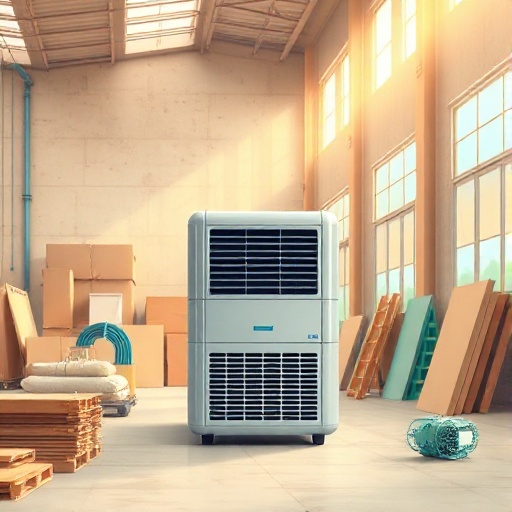
High humidity promotes mold, mildew, and bacterial growth that damage materials and affect air quality. Excess moisture warps wood, corrodes metal, and creates uncomfortable conditions for occupants in offices, warehouses, or spas. In construction zones after flooding, unchecked humidity delays drying and raises the risk of structural issues. Temperature interacts with moisture levels, making rooms feel warmer or clammy even when thermostats read normal. Commercial dehumidifiers counteract these effects by removing water vapor before it condenses on surfaces. Consistent humidity control protects inventory in storage facilities and supports HVAC systems that otherwise cycle inefficiently. Lowering relative humidity to recommended ranges improves comfort and prevents costly repairs.
The Role of Dehumidifiers in Moisture Management
Dehumidifiers actively reduce airborne moisture through condensation or absorption, then expel drier air back into the space. This process complements HVAC systems by handling latent loads that cooling coils alone cannot manage. In commercial settings, units sized for the square footage and moisture source prevent secondary damage during water events. Continuous operation with a pump and hose setup maintains target levels without manual emptying. Dehumidification also accelerates drying of wet materials in renovation projects. By lowering humidity, these machines inhibit mold colonies and preserve product integrity in warehouses. Effective moisture management ultimately lowers long-term maintenance costs and energy use across multiple facility types.
Energy Efficiency: Energy Star Ratings Explained
Energy Star ratings identify commercial dehumidifier models that meet strict efficiency benchmarks set by the EPA. These units deliver the same pints of moisture removal while consuming less electricity than non-certified competitors. Lower operating costs add up quickly in facilities that run dehumidifiers daily. The rating considers both dehumidification performance and power draw under standardized test conditions. Buyers gain confidence that the equipment balances capacity with energy conservation. In large spaces such as warehouses or indoor pools, efficient models reduce heat output that would otherwise burden cooling systems. Checking Energy Star labels helps operators select commercial dehumidifier units that support sustainability goals without sacrificing humidity control.
Applications of Commercial Dehumidifiers
Dehumidifiers in Construction and Renovation
Construction sites generate significant moisture from concrete curing, paint, and water intrusion after flooding. Commercial dehumidifiers speed drying of structural elements and finishes to keep projects on schedule. Contractors position units to create directed airflow that reaches hidden cavities. High-capacity models rated in pints per day and CFM handle the volume of air in unfinished buildings. Integration with air movers enhances evaporation rates. Proper humidity control prevents mold on new materials and reduces callbacks. Many crews choose portable units with pumps and hoses for easy relocation across floors. These machines also stabilize temperature swings that slow adhesive curing or drywall installation.
Humidity Control in Warehouses and Storage Facilities
Warehouses store goods sensitive to moisture fluctuations that cause corrosion, swelling, or spoilage. Commercial dehumidifiers maintain steady humidity levels to protect electronics, paper products, and food inventory. Large-ton units deliver the necessary airflow measured in CFM to cover expansive floor plans. Operators monitor conditions to avoid condensation on metal shelving during temperature changes. Continuous drainage through pumps and hoses keeps units running without interruption. Effective dehumidification supports inventory turnover by preventing damage claims. Facilities often combine these systems with HVAC to achieve precise environmental control year-round.
Using Dehumidifiers in Spas and Indoor Pools
Spas and indoor pools release large amounts of water vapor that raise humidity and create slippery surfaces. Commercial dehumidifiers remove this moisture to protect building materials from corrosion and mold. Units sized for the evaporation rate keep relative humidity in the ideal range for bather comfort. Low sound pressure level models operate quietly around guests. Integrated pumps and hoses handle continuous condensate without daily attention. Proper humidity control also reduces the load on ventilation systems and improves energy efficiency. Operators adjust settings based on occupancy and water temperature to maintain balanced conditions throughout peak hours.
Selecting the Right Commercial Dehumidifier Unit
Calculating Required CFM and Ton Capacity
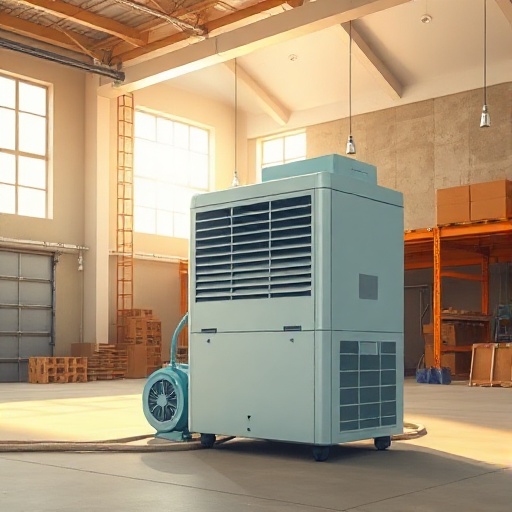
Determine the cubic feet per minute of airflow needed by measuring room volume and desired air changes per hour. Higher CFM ratings move more air through the coils for faster moisture removal. Ton capacity indicates the cooling power tied to dehumidification performance. Match tonnage to the latent load calculated from humidity sources such as pools or wet construction materials. Oversized units short-cycle and waste energy, while undersized models fail to reach target humidity. Professionals use psychrometric charts and moisture load estimates to select the correct commercial dehumidifier. Accurate calculations ensure efficient operation across warehouses, spas, and renovation sites.
Understanding Pints per Day Ratings
Pints per day ratings show how many pints of water a commercial dehumidifier extracts under standard test conditions. Higher numbers suit spaces with heavy moisture loads like flooded buildings or humid warehouses. Compare ratings against actual room conditions because performance drops at lower temperatures. Manufacturers list these figures to guide selection for specific applications. Users should verify that the chosen model maintains strong removal rates at the expected temperature and humidity. Pints ratings combined with CFM data give a complete picture of drying capability. This information helps avoid underpowered equipment that cannot achieve proper humidity control.
Assessing Sound Pressure Levels for Commercial Use
Sound pressure level measurements indicate operating noise in decibels. Lower ratings suit occupied areas such as offices, spas, or retail spaces where quiet operation matters. Commercial dehumidifiers designed for warehouses tolerate higher noise levels. Check manufacturer data for sound output at different fan speeds. Enclosures or remote placement further reduce disturbance. Balancing sound pressure level with required CFM and capacity ensures the unit fits the environment. Quiet models maintain productivity and guest comfort while delivering effective dehumidification throughout the day.
Installation and Maintenance Tips
Proper Installation Techniques for Optimal Air Flow
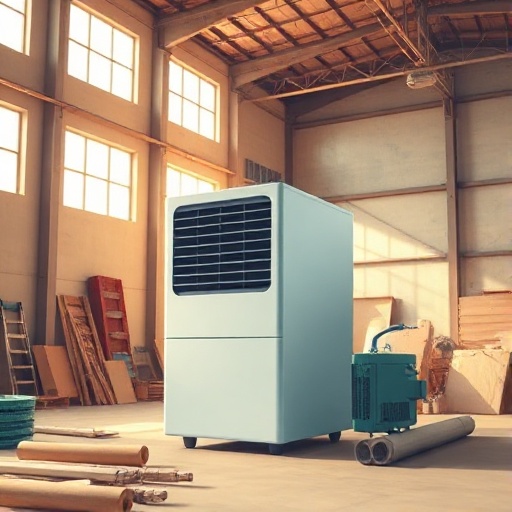
Position the commercial dehumidifier to allow unrestricted intake and exhaust for maximum airflow. Keep units level and away from walls or obstructions that block vents. Route the drain hose or connect the pump discharge to a suitable outlet to prevent water backup. In ducted installations, seal connections to maintain system efficiency. Place portable models centrally in the space for even distribution of dehumidified air. Verify that electrical supply matches unit requirements before startup. Correct placement accelerates drying in construction zones and supports consistent humidity control in warehouses and spas.
Regular Maintenance for Longevity
Clean or replace filters on schedule to preserve airflow and prevent strain on the compressor. Inspect coils for dust buildup that reduces dehumidification efficiency. Check the pump and hose assembly for clogs or leaks that could cause water damage. Empty collection tanks or verify continuous drainage on models without pumps. Schedule professional servicing to test refrigerant levels and electrical components. Consistent maintenance extends equipment life and keeps energy use low. Facilities that follow these steps experience fewer breakdowns during critical humidity control periods.
Troubleshooting Common Issues in Dehumidifiers
When a commercial dehumidifier fails to remove expected pints, check airflow restrictions first. Dirty filters or blocked vents often reduce performance. Verify that room temperature stays within the unit’s operating range, as cold conditions limit moisture extraction. Inspect the hose and pump for obstructions if water backs up. Unusual noises may signal fan imbalance or loose parts that require immediate attention. Reset controls after power interruptions and confirm humidity setpoints. Addressing these issues promptly restores effective dehumidification and protects the space from rising moisture levels.