Unlocking the Secrets of API Flanges for Optimal Pipeline Performance
Understanding API Flanges: The Backbone of Pipeline Systems
What are API Flanges?
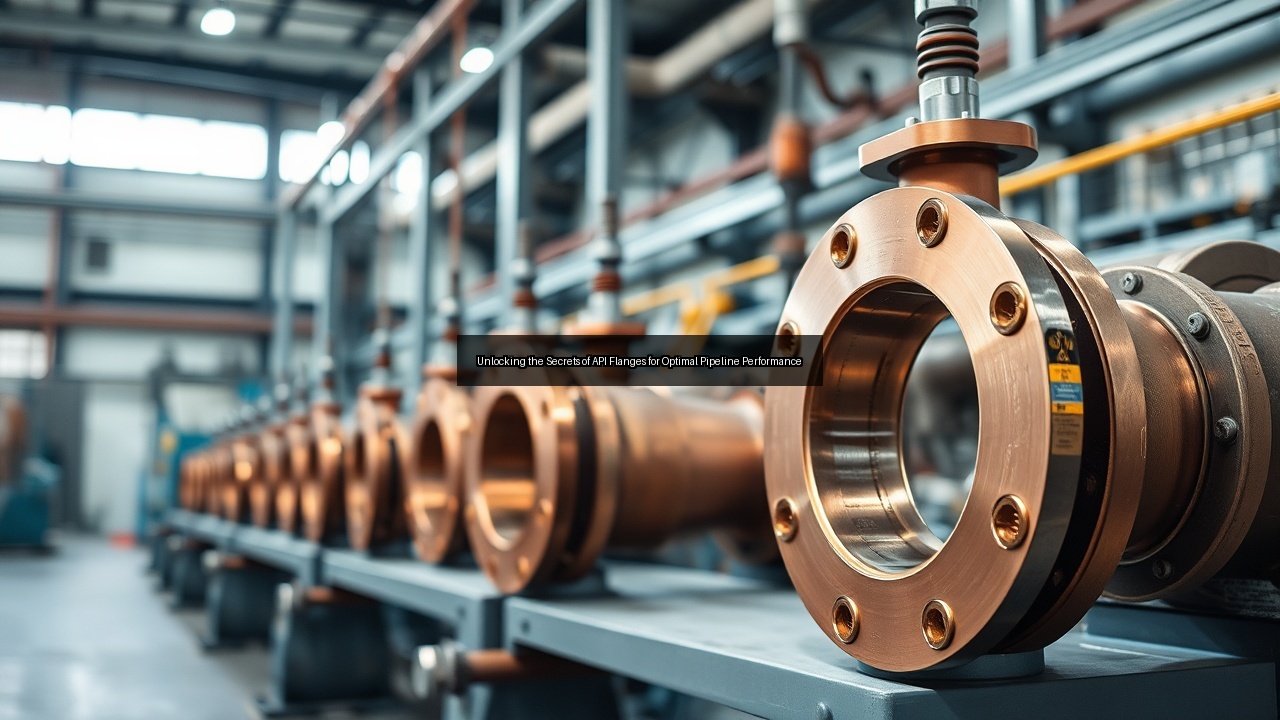
API flanges serve as critical components in pipeline systems, connecting sections of pipes securely while ensuring efficient fluid or gas transfer. Developed under the guidelines of the American Petroleum Institute (API), these flanges feature standardized designs that prioritize durability and reliability in high-pressure environments. Engineers rely on API flanges to join pipe fittings and maintain structural integrity across vast networks of pipes. Unlike generic fittings, API flanges incorporate precise machining to handle extreme conditions in oil, gas, and petrochemical industries. These pipe flanges come in various materials, such as carbon steel or stainless steel, tailored to resist corrosion and withstand temperatures up to 1,000 degrees Fahrenheit. The term "API flange" specifically refers to those compliant with API standards, distinguishing them from other flange types by their rigorous testing protocols. In practice, a single API flange can support connections between large-diameter pipes, preventing leaks that could compromise entire systems. Manufacturers produce these flanges with raised faces or ring-type joints to enhance sealing capabilities when paired with appropriate flange gaskets. Understanding API flanges begins with recognizing their role in pipe fittings, where they act as the primary interface for bolting or welding operations. This foundational knowledge helps professionals select the right pipe flange for specific applications, ensuring long-term performance without frequent replacements. As pipelines expand globally, the demand for high-quality API flanges grows, underscoring their indispensable place in modern infrastructure.
Importance of API Flanges in Pipeline Performance
API flanges directly influence pipeline performance by providing robust, leak-proof connections that sustain operational efficiency. In demanding sectors like oil and gas extraction, these flanges prevent downtime caused by joint failures, which could lead to costly repairs or environmental hazards. The American Petroleum Institute establishes standards that guarantee API flanges endure high pressures, often exceeding 2,500 psi, while maintaining alignment in flanged connections. This reliability boosts overall system throughput, allowing pipes to transport hydrocarbons without interruptions. Beyond mechanical strength, API flanges contribute to safety by incorporating features like anti-corrosion coatings that extend service life in harsh conditions. Engineers value these pipe flanges for their compatibility with various pipe fittings, enabling seamless integration into existing setups. Poorly chosen flanges can cause pressure drops or vibrations, degrading performance over time, but API-compliant ones minimize such risks through precise engineering. In pipeline design, flanges serve as access points for maintenance, facilitating inspections without dismantling entire sections. Their importance shines in applications involving high-velocity flows, where they absorb stresses from thermal expansion or external forces. Ultimately, investing in quality API flanges optimizes energy efficiency and reduces operational costs, making them a cornerstone of successful pipeline management. As industries evolve toward sustainable practices, these flanges adapt with advanced materials to support eco-friendly transport methods.
Key Standards and Specifications for API Flanges
Overview of API Standards
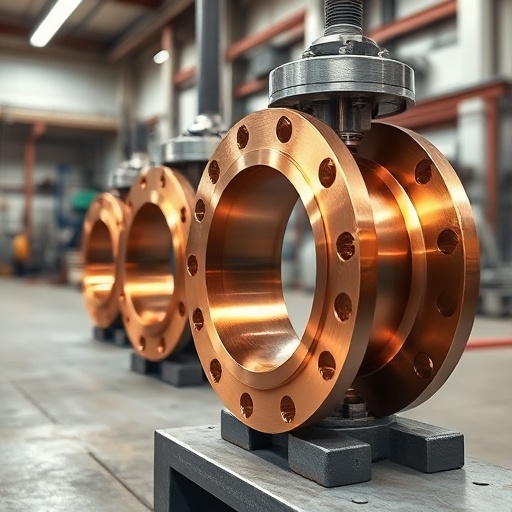
API standards form the bedrock for manufacturing and using API flanges, ensuring consistency and safety across global pipelines. The American Petroleum Institute develops these specifications to address the unique challenges of petroleum-related infrastructure, covering everything from material selection to pressure ratings. For instance, API Spec 5L outlines requirements for line pipes, while API 6A focuses on wellhead equipment, both of which influence flange design. These standards mandate rigorous testing, including hydrostatic pressure checks, to verify that flanges withstand operational stresses. Compliance with API standards separates high-quality pipe flanges from subpar alternatives, preventing failures in critical applications. Engineers consult these guidelines to match API flanges with specific pipe fittings, avoiding mismatches that could lead to leaks. The standards evolve with industry needs, incorporating updates for emerging technologies like subsea pipelines. API certification provides assurance to stakeholders, fostering trust in flanged systems worldwide. Beyond basic specs, these standards detail tolerances for bolt holes and facing types, crucial for secure connections. Adhering to API standards not only enhances performance but also meets regulatory demands in regions with strict environmental oversight. As pipelines integrate smart monitoring, API guidelines incorporate provisions for compatible flanges, driving innovation in pipe fitting technologies.
Flange Standards from the American Society of Mechanical Engineers (ASME)
The American Society of Mechanical Engineers (ASME) sets flange standards that complement API guidelines, providing detailed codes for pressure vessel and piping components. ASME B16.5, for example, specifies dimensions and materials for pipe flanges up to 24 inches in diameter, ensuring interoperability in diverse systems. These standards define pressure classes from 150 to 2,500, allowing engineers to select flanges that match pipeline demands precisely. ASME emphasizes safe working pressures and temperature limits, which directly impact the longevity of flanged connections. Pipe fittings adhering to ASME standards integrate seamlessly with API flanges, creating hybrid systems for complex projects. The society’s codes include requirements for flange gaskets, mandating materials like graphite or PTFE for optimal sealing. Manufacturers follow ASME protocols during forging and heat treatment to achieve uniform strength across flanges. This standardization reduces installation errors, as bolt patterns and hub dimensions align universally. In high-stakes environments, ASME-certified flanges mitigate risks of catastrophic failures, protecting both personnel and assets. Recent revisions to ASME standards address sustainability, promoting recyclable materials in flange production. By bridging API and ASME frameworks, professionals achieve superior pipeline integrity, balancing cost with uncompromising reliability.
Understanding API Flange Dimensions
API flange dimensions dictate the fit and function of these components in pipeline assemblies, with precise measurements ensuring secure bolting and alignment. Key metrics include nominal pipe size (NPS), outside diameter, and thickness, all calibrated to handle specified pressures without deformation. For API 6A flanges, dimensions vary by pressure rating, such as 2,000 psi or 5,000 psi, with hub diameters scaling accordingly. Engineers reference charts for API flange dimensions to select the correct bolt circle and number of fasteners, preventing misalignment in pipe fittings. Raised face heights, typically 1/16 inch, provide a sealing surface for flange gaskets, while ring-type joints offer zero-leakage in high-pressure scenarios. Understanding these dimensions involves considering end-to-end compatibility with pipes and valves, as even minor variances can cause assembly issues. API standards detail tolerances down to thousandths of an inch, reflecting the precision required in oilfield operations. Larger API flanges, used in transmission lines, demand thicker walls to support expansive diameters up to 48 inches. This knowledge empowers procurement teams to avoid costly errors, ensuring flanges meet project specifications. As digital tools like CAD software advance, visualizing API flange dimensions becomes straightforward, streamlining design processes for optimal pipeline performance.
Types of API Flanges and Their Applications
Common Types of Pipe Flanges
Common types of pipe flanges include weld neck, slip-on, socket weld, and blind varieties, each suited to distinct pipeline needs. Weld neck flanges excel in high-pressure systems, featuring a long tapered hub that distributes stress evenly across pipes. Slip-on flanges slide over pipe ends before welding, offering cost-effective solutions for low-pressure applications where ease of alignment matters. Socket weld flanges fit pipes into a recessed area, ideal for smaller diameters in turbulent flows common to chemical processing. Blind flanges cap pipe ends, providing temporary seals during maintenance or testing phases. These pipe flange types adhere to API standards, ensuring compatibility with various fittings and flanged connections. Engineers choose based on factors like space constraints and media type, with weld necks dominating in API flange applications for refineries. Stainless steel variants resist corrosion in saline environments, while carbon steel suits standard hydrocarbon transport. Each type incorporates features like raised faces to accommodate flange gaskets, enhancing leak prevention. In practice, combining these flanges with pipe fittings creates versatile assemblies that adapt to evolving infrastructure demands. Their widespread use underscores the versatility of API flanges in maintaining fluid integrity across industries.
Flanged Connections and Their Uses
Flanged connections unite pipes and equipment through bolted joints, offering disassembly advantages over permanent welds in pipeline systems. These connections rely on API flanges to form tight seals, crucial for transporting volatile substances without escapes. In oil rigs, flanged connections facilitate quick valve replacements, minimizing shutdowns during operations. Uses extend to water treatment plants, where corrosion-resistant flanges ensure hygienic flows in pipe fittings. Bolting patterns in flanged connections distribute loads uniformly, preventing gasket blowouts under pressure surges. API standards guide the design of these connections, specifying torque values for nuts to achieve optimal clamping force. In subsea applications, specialized flanged connections withstand hydrostatic pressures while allowing remote servicing. Pipe flanges in these setups often pair with metallic gaskets for extreme conditions, outperforming elastomeric alternatives. Maintenance crews appreciate flanged connections for their accessibility, enabling inspections without cutting pipes. As industries automate, smart sensors embedded in flanges monitor connection health in real-time. This evolution highlights how flanged connections evolve from basic joins to intelligent components, enhancing overall pipeline reliability and efficiency.
Comparative Analysis of Flanges in Different Industries
Flanges vary across industries, with API flanges dominating oil and gas due to their high-pressure tolerance, while ASME flanges prevail in power generation for steam systems. In petrochemical plants, API flanges handle corrosive media better than standard pipe flanges, thanks to specialized coatings. Water utilities favor slip-on flanges for their affordability in low-stakes pipes, contrasting the robust weld necks in offshore platforms. Comparative analysis reveals that API flanges offer superior fatigue resistance, making them ideal for cyclic loading in mining operations versus the rigidity of blind flanges in construction. Industries like pharmaceuticals demand sanitary flanges with smooth finishes to prevent contamination, differing from the rugged API types in drilling. Cost comparisons show API flanges justify premiums through longevity, reducing lifecycle expenses in energy sectors. Material choices shift too: titanium flanges suit aerospace for weight savings, but API carbon steel excels in bulk transport. Gasket integration varies, with API flanges using ring joints for zero leaks, outperforming flat gaskets in food processing. This analysis guides cross-industry adaptations, where hybrid flange designs blend API durability with sector-specific needs. Ultimately, understanding these differences optimizes flange selection, driving performance tailored to unique operational challenges.
Selecting the Right API Flange for Your Project
Factors to Consider When Choosing Flanges
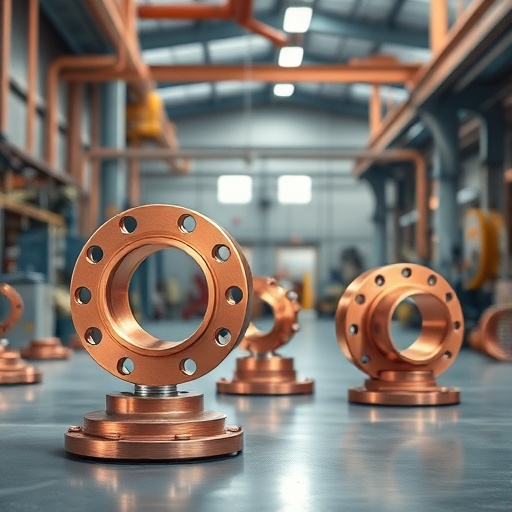
Choosing the right API flange involves evaluating pressure ratings, material compatibility, and size to match project specifications precisely. High-pressure pipelines demand flanges rated for 5,000 psi or more, while low-flow systems suffice with 300-class options. Corrosion resistance tops the list, especially in sour gas environments where stainless or alloy steels prevent sulfide stress cracking. Size alignment with pipe diameters ensures seamless integration, avoiding flow restrictions in fittings. Cost-benefit analysis weighs initial expenses against maintenance savings, favoring durable API flanges over cheaper alternatives. Environmental factors, like temperature extremes, influence gasket pairings to maintain seals. Project timelines dictate quick-install types like slip-ons versus custom weld necks. Regulatory compliance with API standards guarantees safety, particularly in licensed facilities. Vendor reputation and certification availability streamline procurement, ensuring flanges meet American Petroleum Institute benchmarks. End-use considerations, such as vibration exposure, prompt reinforced designs for longevity. By prioritizing these factors, teams secure flanges that enhance pipeline efficiency and minimize risks. Thorough selection transforms potential pitfalls into reliable assets, supporting project success from inception to operation.
Understanding Flange Gaskets and Their Role in Sealing
Flange gaskets create impermeable barriers between API flanges, compressing under bolt torque to seal against pressure and temperature fluctuations. Spiral-wound gaskets, common in API applications, combine metal windings with fillers like graphite for resilience in hydrocarbons. Their role extends to compensating for surface imperfections on pipe flanges, preventing leaks that erode performance. In high-vacuum systems, full-face gaskets cover the entire flange surface, enhancing contact with irregular fittings. Material selection hinges on media: PTFE gaskets resist chemicals in refining, while non-asbestos options suit general pipes. Proper installation compresses gaskets to 30-40% of thickness, optimizing sealing without extrusion. API standards specify gasket dimensions to match flange types, ensuring uniform pressure distribution. Over time, gaskets degrade from thermal cycling, necessitating periodic replacements to sustain integrity. Innovations like kammprofile gaskets offer metallic cores for extreme conditions, outperforming traditional designs. Understanding these elements equips engineers to pair gaskets with flanges effectively, bolstering pipeline reliability. This knowledge mitigates downtime, safeguarding operations in critical infrastructure.
Best Practices for Installing API Flanges
Installing API flanges demands meticulous preparation, starting with surface cleaning to remove debris that could compromise seals. Align pipes precisely using laser tools before bolting, ensuring even gasket compression across the joint. Torque wrenches apply sequential tightening in a star pattern, following API-recommended values to avoid warping. Lubricate bolts with anti-seize compounds for future disassembly, particularly in corrosive settings. Inspect flange faces for flatness within 0.01 inches per foot, rejecting any with gouges. Pair flanges with compatible pipe fittings, verifying dimensions against API charts. Secure connections with lock washers to counter vibrations in dynamic pipelines. Post-installation, conduct hydrostatic tests at 1.5 times operating pressure to validate integrity. Document torque sequences and test results for compliance records. Train crews on handling heavy flanges to prevent injuries during lifts. These practices extend service life, reducing leaks and enhancing safety. Adopting them consistently transforms installations from routine tasks into precision engineering feats, optimizing overall system performance.
Maintaining Optimal Pipeline Performance with API Flanges
Regular Inspection and Maintenance of Flanges
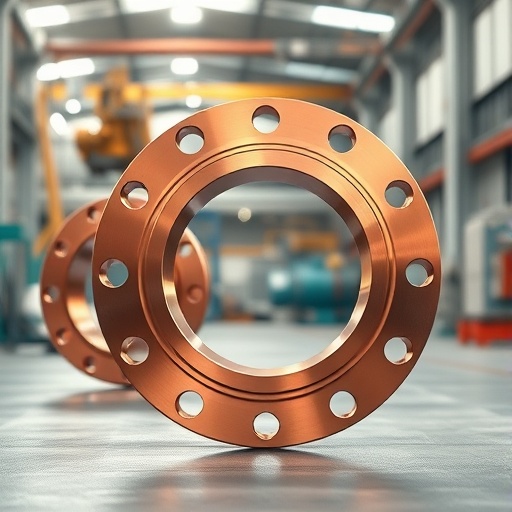
Regular inspection of API flanges uncovers wear early, preserving pipeline performance through proactive upkeep. Visual checks reveal corrosion or bolt loosening, while ultrasonic testing detects internal cracks in pipe flanges. Schedule monthly exams in high-risk areas, using borescopes for hard-to-reach flanged connections. Clean flanges quarterly to remove scale buildup, applying protective coatings post-inspection. Replace flange gaskets during shutdowns if compression set exceeds limits, ensuring resealing efficacy. Monitor bolt integrity with torque audits, retightening as needed to maintain clamp loads. API standards recommend logging maintenance histories for trend analysis, predicting failures before they occur. Integrate thermal imaging to spot hot spots indicating leaks in fittings. Crews should wear PPE during inspections to handle hazardous residues. These routines minimize unplanned outages, extending flange lifespan beyond a decade in optimal conditions. Consistent maintenance fosters a culture of reliability, aligning with industry best practices for sustainable operations.
Troubleshooting Common Flange Issues
Troubleshooting flange issues starts with identifying leaks, often traced to improper gasket seating or over-torqued bolts in API setups. Pressure drops signal misalignment; realign using shims while rechecking pipe fittings. Corrosion pitting requires material upgrades, like duplex stainless for aggressive media. Vibration-induced loosening demands damping solutions, such as spring washers on flanged connections. Gasket extrusion in high temps calls for switching to metallic types per API guidelines. Overheating warps faces; machine them flat before reinstalling. Bolt failures from fatigue necessitate higher-grade alloys and regular swaps. Use dye penetrant tests for hairline cracks invisible to the eye. Document root causes to refine installation protocols, preventing recurrences. Collaborate with experts for complex diagnostics, leveraging API resources for solutions. Effective troubleshooting restores performance swiftly, cutting repair costs and downtime. This approach turns challenges into opportunities for system improvements.
Innovations in Flange Design for Enhanced Performance
Innovations in flange design propel API flanges toward smarter, more efficient pipeline integration. Self-aligning hubs reduce installation time by 50%, easing field assembly in remote sites. Composite materials lighten traditional steel flanges, slashing transport costs without sacrificing strength. Embedded sensors in flanges monitor strain and temperature, enabling predictive maintenance via IoT platforms. 3D-printed prototypes accelerate custom designs for unique pipe fittings, adhering to API standards. Nano-coatings enhance corrosion resistance, extending service in offshore environments. Hybrid flanges combine weld neck durability with slip-on convenience for versatile applications. Advanced gaskets with shape-memory alloys adapt to thermal shifts, minimizing leaks. Finite element analysis refines dimensions for optimal stress distribution. These advancements, backed by the American Petroleum Institute, boost efficiency in sustainable energy pipelines. Embracing them positions projects at the forefront of industry evolution, delivering unmatched performance and reliability.