Ti vs Stainless Which Material Reigns Supreme in CNC Machining
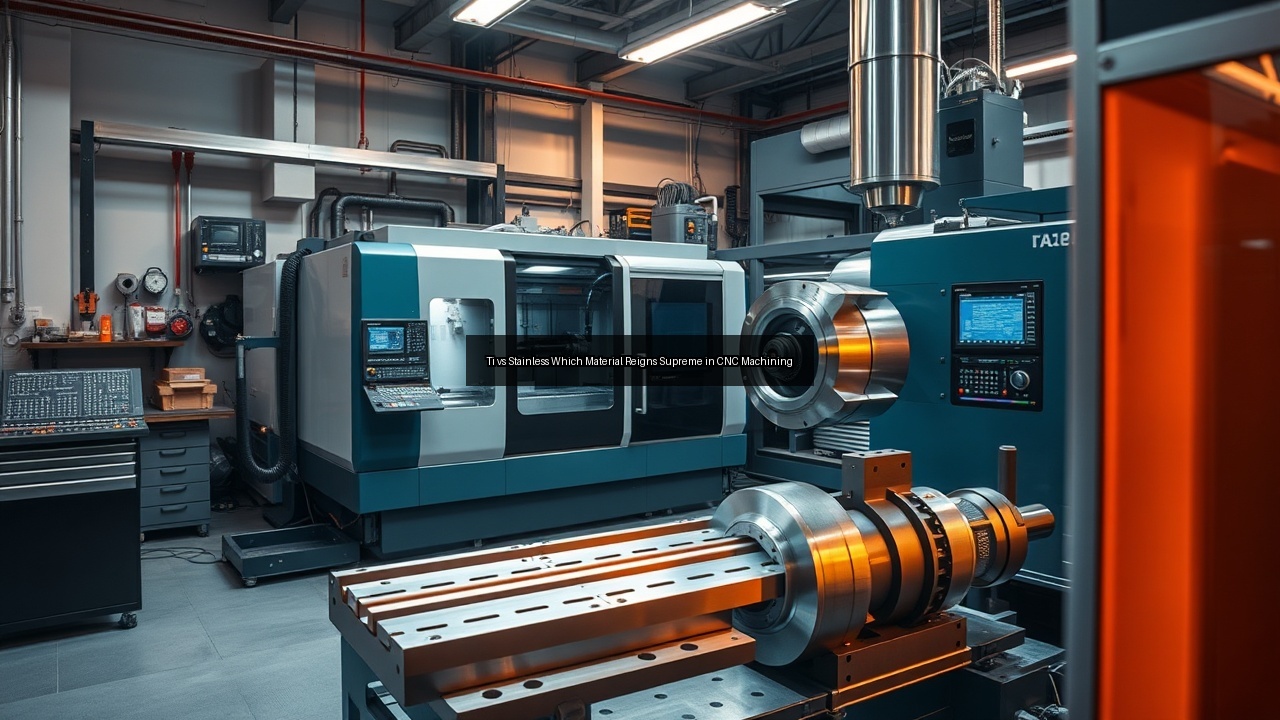
Understanding Titanium and Stainless Steel in CNC Machining
Overview of Titanium Alloys
Titanium alloys dominate high-performance applications in titanium CNC machining due to their exceptional strength-to-weight ratio and corrosion resistance. Engineers favor these materials for demanding environments where durability matters most. Ti6Al4V, a popular alpha-beta alloy, stands out in metalworking for its balance of toughness and weldability. This heat-treatable grade undergoes precise heat treatments to enhance mechanical properties, making it ideal for aerospace components and medical implants. Titanium alloys resist extreme temperatures and chemicals, outperforming many alternatives in long-term reliability. Manufacturers select titanium for parts that endure constant stress without deforming. In CNC processes, these alloys require specialized tools to handle their low thermal conductivity, which traps heat during cutting. Despite higher costs, the superior performance justifies investment in titanium work. Experts in machining services for titanium emphasize proper alloy selection to optimize outcomes. Titanium's biocompatibility further expands its role in life-saving devices, where precision titanium machining ensures flawless finishes.
Beyond Ti6Al4V, other titanium alloys like commercially pure titanium suit less demanding applications, offering excellent formability. In titanium machining, these variants provide versatility across industries. Alloy development continues to push boundaries, incorporating elements like vanadium and aluminum for tailored properties. CNC titanium machining leverages these alloys to produce intricate geometries that stainless steel struggles to match in lightweight designs. The material's natural oxide layer self-heals scratches, extending lifespan in harsh conditions. Titanium CNC experts recommend starting with alloy datasheets to align properties with project needs, ensuring seamless integration into manufacturing workflows.
Introduction to Stainless Steel
Stainless steel emerges as a workhorse in CNC machining, prized for its rust-proof nature and affordability. This iron-based alloy, infused with chromium, forms a passive layer that shields against oxidation. In metalworking, stainless grades like 304 and 316 deliver consistent results for everyday industrial parts. Unlike titanium alloys, stainless steel excels in cost-sensitive projects where high corrosion resistance suffices without extreme weight savings. Machinists appreciate its predictable behavior during titanium CNC machining alternatives, allowing faster production runs. Stainless steel's magnetic properties aid in handling and assembly, streamlining manufacturing processes. Applications span kitchenware to structural components, showcasing its broad appeal. Heat-treatable variants like martensitic stainless add hardness for wear-resistant tools. In machining services for titanium comparisons, stainless often wins on ease of sourcing and lower tooling wear. However, its higher density demands careful design to avoid excess weight in mobile applications.
Stainless steel's family includes austenitic, ferritic, and duplex types, each tuned for specific needs. Austenitic grades, non-magnetic and ductile, dominate food and chemical processing. Ferritic options provide magnetic appeal for automotive uses. Duplex stainless blends strength and corrosion resistance, rivaling titanium in marine settings. During CNC operations, stainless steel tolerates standard speeds, reducing setup times compared to titanium work. Experts highlight its recyclability, aligning with sustainable manufacturing goals. Stainless steel's versatility makes it a staple in shops offering machining titanium alongside traditional metals, providing clients flexible material choices.
Comparison of Physical Properties
Titanium alloys outshine stainless steel in strength-to-weight ratios, often half the density while matching or exceeding tensile strength. Ti6Al4V boasts 900-1000 MPa yield strength versus stainless 304's 215 MPa, ideal for aerospace where every gram counts. Both materials resist corrosion, but titanium excels in saltwater and acidic environments due to its stable oxide film. Stainless steel handles moderate temperatures up to 800°C, while titanium alloys endure 600°C without losing integrity. In thermal conductivity, stainless lags at 16 W/mK compared to titanium's 21 W/mK, complicating heat dissipation in machining. Titanium's biocompatibility sets it apart for medical uses, unlike most stainless grades. Density differences—titanium at 4.5 g/cm³ versus stainless at 8 g/cm³—drive material selection in weight-critical designs. Elastic modulus values hover around 110 GPa for titanium and 200 GPa for stainless, affecting flexibility in components.
Hardness profiles vary; titanium alloys reach 36 HRC post-heat treatment, while stainless can hit 40 HRC in hardened states. Fatigue resistance favors titanium in cyclic loading, crucial for engine parts. Cost analysis reveals stainless as more economical upfront, but titanium's longevity reduces lifecycle expenses in premium sectors. In titanium CNC machining, these properties demand adaptive strategies, contrasting stainless's straightforward processing. Machinability indices place stainless higher at 40-50% versus titanium's 20-30%, influencing production efficiency. Understanding these traits guides experts in recommending materials for optimal performance and budget alignment.
The Machinability Factor: Titanium vs. Stainless Steel
Machinability of Ti6Al4V
Ti6Al4V presents unique challenges in titanium CNC machining, with its low machinability stemming from high chemical reactivity and poor heat dissipation. This alloy tends to gall and weld to cutting tools, demanding sharp carbide inserts and coolant floods. Machinists achieve success by using low speeds and high feeds to minimize built-up edge formation. In metalworking, Ti6Al4V's alpha-beta structure hardens during cuts, requiring rigid setups to prevent chatter. Precision titanium machining services employ vibration-dampening fixturing for mirror finishes. Compared to stainless, Ti6Al4V demands 2-3 times longer cycle times, but yields superior parts for high-stakes uses. Coolants with sulfur additives lubricate effectively, reducing tool wear by 30%. Experts stress workpiece rigidity, as titanium work amplifies deflections. Overall, machinability improves with experience, making Ti6Al4V a rewarding choice for skilled shops.
Testing reveals Ti6Al4V's tool life at 20-30% of stainless under similar conditions, offset by its premium properties. Advanced coatings like TiAlN extend edges, boosting efficiency in titanium machining. Shops offering machining services for titanium integrate monitoring systems to detect heat spikes early. Ti6Al4V's notch sensitivity requires smooth surfaces, influencing post-machining treatments. In comparisons, stainless flows easier, but Ti6Al4V's demand spurs innovation in CNC titanium machining tools and techniques.
Feed Rates and Cutting Speeds
Optimal feed rates in titanium CNC machining hover at 0.1-0.2 mm/rev for Ti6Al4V, balancing chip control and surface quality. Cutting speeds stay low, 30-60 m/min, to avoid work hardening that plagues titanium alloys. Stainless steel allows higher speeds up to 150 m/min and feeds of 0.3 mm/rev, accelerating throughput. In metalworking, mismatched parameters cause rapid tool failure; machinists calculate based on insert geometry and depth of cut. Flood coolant maintains temperatures below 200°C for titanium work, preventing diffusion wear. Depth of cut limits to 2-3 mm ensure stability, contrasting stainless's 5 mm tolerance. These settings directly impact cycle times, with titanium demanding patience for precision.
Adaptive controls in modern CNC machines adjust feed rates dynamically, optimizing titanium machining runs. For stainless, consistent speeds minimize burrs, easing deburring. Experts recommend starting conservative and iterating, especially in custom titanium machining. Data from machining titanium trials show 20% efficiency gains with proper lubrication. Feed rate variations suit roughing versus finishing, where titanium needs finer passes for accuracy. Stainless's forgiving nature suits beginners, but titanium CNC rewards expertise in parameter tuning.
Challenges in Machining Stainless Steel
Machining stainless steel involves hurdles like work hardening and stringy chips that clog tools. Austenitic grades gum up during cuts, requiring chip breakers and rigid machines. In titanium CNC machining comparisons, stainless demands less heat management but more attention to built-up edges. Corrosion-resistant properties complicate coolant selection, as chlorides attack certain grades. High tensile strength in 316 stainless slows feeds, extending cycles versus milder steels. Machinists combat these with positive rake angles and high-pressure coolants, reducing friction. Tool wear accelerates in heat-treatable stainless, necessitating frequent changes. Despite challenges, stainless's availability keeps it prevalent in manufacturing.
Gumminess in stainless leads to poor finishes without peck drilling or interrupted cuts. In metalworking, vibration from long tools exacerbates issues, unlike titanium's heat focus. Shops providing machining services for titanium often handle stainless routines efficiently. Expert tips include alloy-specific strategies, like slower speeds for duplex grades. Challenges foster robust processes, ensuring reliable parts across applications. Stainless machining builds foundational skills transferable to tougher materials like titanium.
Applications and Industry Uses
Aerospace and Defense Applications
Titanium alloys power aerospace through lightweight frames and turbine blades in titanium CNC machining. Ti6Al4V forms critical fasteners and landing gear, slashing fuel costs by 10-15%. Defense sectors deploy titanium in missile casings for its ballistic resistance and low radar signature. Stainless steel supports auxiliary parts like brackets, but titanium dominates high-stress zones. Applications of titanium extend to satellite components, enduring vacuum and radiation. Precision titanium machining ensures tolerances under 0.01 mm for aerodynamic efficiency. In manufacturing, titanium work integrates with composites for hybrid structures. Experts highlight titanium's fatigue life exceeding 10^7 cycles, vital for flight safety.
Defense innovations include titanium armor plating, lighter than stainless equivalents. CNC titanium machining enables rapid prototyping for next-gen aircraft. Stainless fills cost-effective roles in ground support equipment. Titanium's corrosion resistance suits naval aviation, outlasting stainless in salty air. Industry shifts toward sustainable designs favor titanium's recyclability. Machining services for titanium cater to strict certifications like AS9100, guaranteeing quality in these vital sectors.
Medical Device Manufacturing
Titanium's biocompatibility shines in medical device manufacturing, where Ti6Al4V crafts implants like hip joints and spinal cages. CNC titanium machining produces porous structures for bone ingrowth, enhancing patient outcomes. Stainless steel serves in surgical tools, but titanium avoids allergic reactions in long-term implants. Applications of titanium include dental fixtures and pacemakers, leveraging its MRI compatibility. Precision titanium machining achieves sub-micron finishes to prevent infections. In metalworking, sterile processes ensure regulatory compliance like ISO 13485.
Custom titanium machining tailors devices to patient scans, revolutionizing orthopedics. Titanium work supports minimally invasive tech, reducing recovery times. Stainless handles disposable instruments cost-effectively. Advancements in titanium machining services integrate 3D scanning for personalized fits. Experts predict titanium dominating prosthetics as demographics age. Its strength supports load-bearing without bulk, unlike denser stainless options.
Additive Manufacturing and 3D Printing Uses
Additive manufacturing revolutionizes titanium applications, with 3D printing Ti6Al4V for complex lattices unattainable via traditional CNC. Titanium CNC machining post-processes printed parts for accuracy, blending techniques in manufacturing. Stainless steel prints easily for prototypes, but titanium excels in aerospace brackets with 50% weight reduction. Machinability improves in printed titanium, allowing hybrid workflows. In metalworking, laser powder bed fusion builds near-net shapes, minimizing waste.
3D printing titanium supports custom implants, integrating with machining services for titanium finishes. Stainless suits low-volume runs, but titanium's properties drive high-value uses. Experts note powder recycling efficiencies reaching 95%. Future trends merge additive and subtractive methods, enhancing titanium work precision. Applications of titanium in additive expand to automotive, where printed heat exchangers outperform stainless.
Precision Machining Techniques for Titanium
CNC Titanium Machining Methods
CNC titanium machining methods prioritize low-speed, high-pressure coolant strategies to conquer heat buildup. Multi-axis mills handle Ti6Al4V contours, producing aerospace fittings with micron precision. Turning centers use CBN inserts for roughing, followed by polishing for smooth surfaces. In titanium work, trochoidal milling reduces forces by 40%, extending tool life. Machinists employ rigid spindles to counter titanium's springback. These techniques surpass stainless processing in complexity but yield unmatched durability.
Hybrid methods combine ultrasonic assistance with CNC for chip evacuation in deep pockets. Precision titanium machining integrates CAD/CAM for error-free paths. Shops offering titanium CNC machining customize cycles per alloy. Experts advocate simulation software to predict stresses, optimizing setups. Stainless methods adapt easily, but titanium demands specialized expertise for peak results.
Custom Titanium Machining Services
Custom titanium machining services deliver tailored solutions, from prototypes to production runs using Ti6Al4V. Providers assess designs for manufacturability, suggesting tweaks to cut costs. In manufacturing, these services handle volumes from one-off implants to series engine parts. Titanium machining services emphasize quick turns with in-house anodizing for corrosion boosts. Clients benefit from material traceability, ensuring compliance in regulated fields.
Unlike generic stainless services, custom titanium options incorporate finite element analysis for stress validation. Machinists collaborate on fixturing innovations, like vacuum chucks for thin walls. Titanium CNC machining services scale with client needs, from R&D to full assembly. Experts value partnerships that evolve with tech, delivering innovative parts efficiently.
Milling and Drilling Titanium
Milling titanium involves climb strategies to shear chips cleanly, avoiding rub-induced hardening in Ti6Al4V. High-helix end mills evacuate debris, maintaining flute clearance. Drilling requires peck cycles with sulfur-based lubricants to break chips and cool tips. In titanium work, pilot holes prevent wandering, achieving true positions under 0.05 mm. These operations demand balanced tools to suppress harmonics.
Compared to stainless, titanium drilling slows to 20 m/min, but yields tougher holes for fasteners. Precision titanium machining refines edges post-drill for leak-proof seals. Machinists monitor torque to avert breakthroughs. Milling applications span impellers, where adaptive paths ensure uniform stock removal. Stainless milling flows faster, but titanium's techniques build precision mastery.
Expert Insights and Future Trends
Advancements in Titanium Machining Technologies
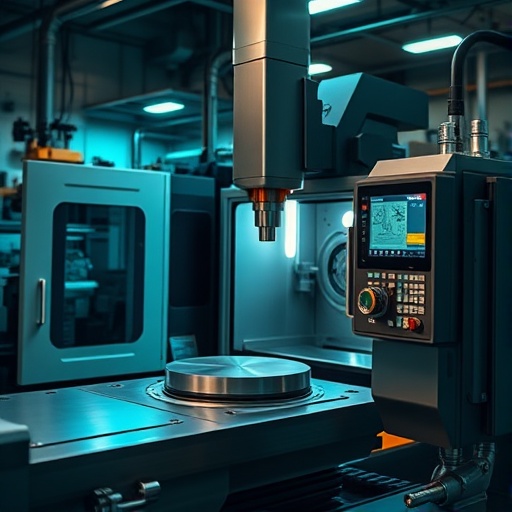
Advancements in titanium machining technologies feature AI-driven toolpath optimization, slashing cycle times by 25% for Ti6Al4V. Cryogenic cooling with liquid nitrogen cuts heat, doubling tool lives in CNC titanium machining. Nanocoated inserts resist titanium's affinity, enabling dry runs. In metalworking, 5-axis hybrids integrate additive for repair, extending part lifespans. These innovations narrow the gap with stainless efficiency.
Digital twins simulate titanium work, predicting failures pre-cut. Laser-assisted machining softens alloys on-the-fly, boosting speeds. Experts foresee quantum sensors for real-time monitoring, revolutionizing precision titanium machining. Stainless benefits peripherally, but titanium drives cutting-edge R&D.
The Role of Machinists in Material Selection
Machinists play pivotal roles in material selection, advising on titanium versus stainless based on project demands. Skilled professionals evaluate machinability, cost, and performance, recommending Ti6Al4V for aerospace over stainless for its lightness. In manufacturing, their input prevents costly redesigns by flagging titanium work challenges early. Training emphasizes alloy behaviors, fostering informed choices.
Expert machinists collaborate with engineers, balancing trade-offs like feed rates against durability. In titanium machining services, their expertise ensures seamless transitions from concept to production. Stainless selections suit budgets, but titanium picks highlight strategic foresight. Future roles expand to sustainable sourcing, guiding eco-friendly decisions.
Future of Titanium in Manufacturing
The future of titanium in manufacturing promises expanded use via affordable alloys and greener processes. Recycling advancements cut costs, making titanium CNC machining viable for automotive. Bio-inspired designs leverage 3D printing for organic shapes in Ti6Al4V. Sustainability drives powder reuse in additive, reducing waste by 80%.
Integration with smart factories enables predictive maintenance, optimizing titanium work. Experts predict titanium overtaking stainless in EVs for battery casings. Global supply chains stabilize, lowering barriers. Titanium machining evolves with automation, ensuring its supremacy in high-tech realms.