The Role of Stainless Steel in Modern Construction and Its Distribution Challenges
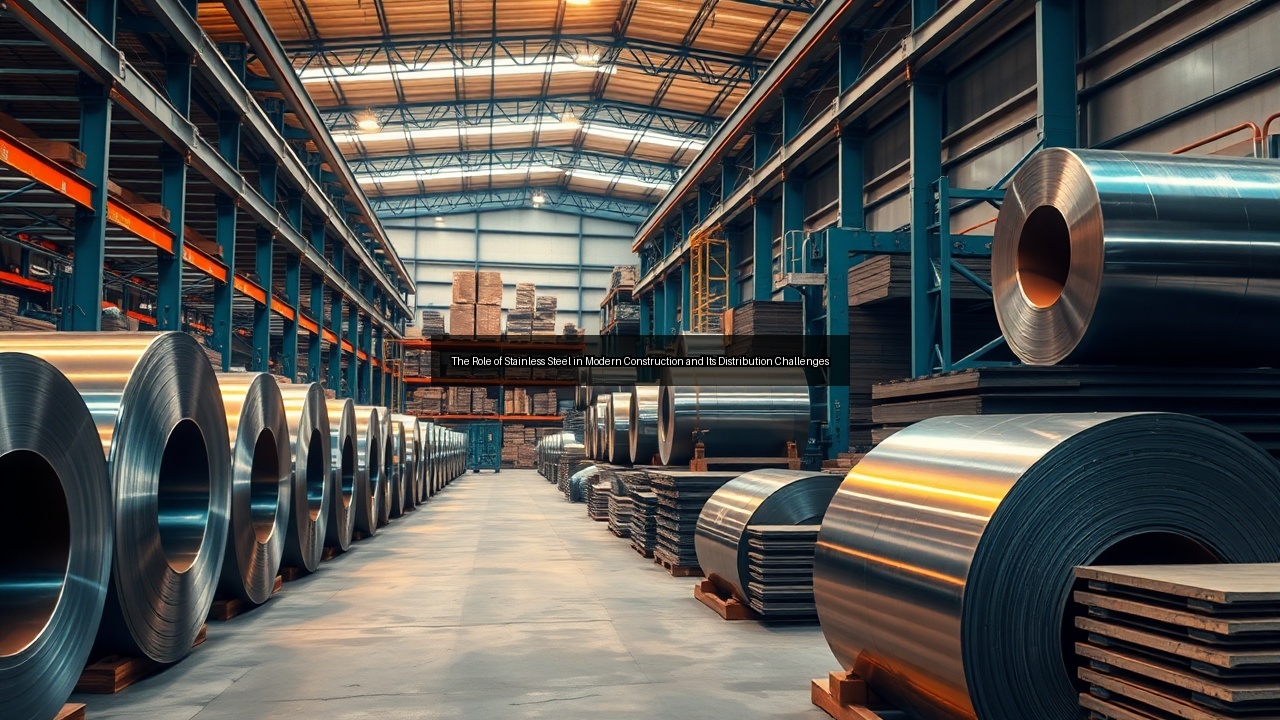
Stainless Steel: A Cornerstone of Modern Construction
The Benefits of Stainless Steel in Construction
Stainless steel delivers unmatched durability and corrosion resistance that builders rely on daily. Its chromium content forms a protective layer that withstands harsh weather and chemical exposure without frequent maintenance. Engineers specify stainless steel for structural beams, railings, and cladding because it maintains strength across wide temperature ranges while offering a sleek finish that reduces painting costs over decades.
Builders also value its recyclability. At the end of a project, crews can recover and reuse stainless steel without quality loss, which supports sustainable construction goals. The material resists fire and impact better than many alternatives, giving architects flexibility in designs that prioritize safety and longevity. Steel distribution networks now prioritize stainless grades to meet rising demand from commercial and infrastructure projects.
Comparison with Other Materials: Carbon Steel and Alloy Steel
Carbon steel offers lower upfront costs but requires coatings to fight rust, which adds labor and long-term expense. Alloy steel improves strength through added elements yet often demands more specialized handling during fabrication. Stainless steel stands apart by combining corrosion resistance with moderate cost when lifecycle expenses enter the equation, making it the preferred choice for exposed applications.
Experts compare gauge thicknesses and mechanical properties across these metals to select the right option. Stainless steel typically outperforms carbon steel in marine or industrial settings where moisture accelerates deterioration. Alloy steel works well for high-stress components, yet stainless grades simplify supply chains because fabricators encounter fewer finishing steps. Steel distribution companies track these differences to advise clients on optimal material selection.
Key Applications in Oil and Gas, Automotive, and Aerospace
Oil and gas operations depend on stainless steel pipelines and storage tanks that endure sour service conditions without pitting. Automotive manufacturers use stainless exhaust systems and structural panels to reduce weight while extending vehicle life. Aerospace firms specify stainless components in landing gear and engine parts because the alloy maintains integrity under extreme pressure and temperature cycles.
Each sector relies on consistent steel distribution to avoid project delays. Distributors stock specific grades and dimensions that fabricators need for custom fittings. Stainless steel also appears in fuel lines and heat exchangers where purity standards forbid contamination. Reliable steel distribution companies maintain inventories that match these exacting requirements across oil and gas, automotive, and aerospace supply chains.
The Steel Distribution Network: Challenges and Solutions
Identifying Major Steel Distribution Companies
Leading steel distribution companies operate regional warehouses stocked with stainless steel, carbon steel, and alloy steel products. These firms maintain broad inventories of sheet, plate, and bar stock to serve fabricators quickly. Their networks span multiple states and include specialized equipment for processing orders to precise specifications before delivery.
Companies that excel in steel distribution invest in digital tracking systems that let customers monitor shipments in real time. They also employ metallurgical experts who recommend grades suited to particular environments. Strong relationships with mills allow these distributors to secure volume pricing that smaller buyers cannot access directly, strengthening their position in competitive markets.
Understanding the Role of Distributors and Suppliers
Distributors bridge mills and end users by managing inventory, logistics, and credit. A steel distributor evaluates project timelines and suggests alternatives when specific gauges or alloys face shortages. Suppliers provide raw steel coil and plate that distributors cut and bundle according to fabricator drawings, reducing waste at the job site.
Effective steel distribution depends on accurate forecasting. Distributors analyze construction schedules and industry trends to keep popular stainless and galvanized grades on hand. They also handle certifications and traceability documents that oil and gas and aerospace clients require. This service layer turns basic material supply into a strategic advantage for builders facing tight deadlines.
Logistical Challenges in Steel Supply Chains
Steel distribution faces fluctuating freight costs, port congestion, and mill production delays. Heavy coils and long bar stock demand specialized trailers and careful loading to prevent damage during transit. Weather disruptions or labor shortages at terminals can halt deliveries to construction sites across wide regions.
Successful steel distribution companies counter these issues with diversified carrier contracts and buffer stock at multiple locations. They coordinate just-in-time deliveries that align with fabricator schedules and reduce on-site storage needs. Digital route optimization further trims transit times, ensuring stainless steel and alloy products reach automotive and aerospace plants without costly interruptions.
Innovative Techniques in Steel Fabrication and Cutting
Waterjet Cutting: Efficiency in Precision Fabrication
Waterjet cutting uses high-pressure streams mixed with abrasive particles to slice stainless steel and carbon steel without heat distortion. Fabricators achieve tight tolerances on complex shapes that traditional saws cannot match. The process preserves material properties, which matters for aerospace parts that undergo subsequent heat treatment.
Steel distribution companies increasingly offer waterjet services alongside raw material sales. This integrated approach lets clients receive finished pieces ready for assembly rather than full sheets or bar stock that require further processing. Reduced scrap and faster turnaround improve project economics while maintaining the corrosion resistance that stainless grades provide in demanding environments.
The Role of Cold Rolled Steel and Steel Coils in Construction
Cold rolled steel delivers smoother surfaces and tighter thickness tolerances than hot rolled alternatives. Builders use it for visible architectural elements where appearance counts. Steel coil suppliers provide large rolls that fabricators unwind and cut into panels or framing members, streamlining production of repetitive components.
Distributors stock both stainless and carbon cold rolled products to match varied project needs. Proper handling during steel distribution prevents surface scratches that could compromise aesthetics or coatings. Coils also reduce handling steps at the job site, lowering labor costs while ensuring consistent gauge across large installations such as roofing or curtain walls.
Fabrication Techniques: From Sheet to Bar Stock
Fabricators start with sheet and coil then progress through shearing, bending, and welding to create finished assemblies. Bar stock undergoes turning, milling, and threading for fasteners and structural connectors. Stainless steel responds well to these operations when proper tooling and speeds maintain surface integrity.
Steel distribution supports these workflows by offering pre-cut lengths and processed pieces. Experts at leading companies advise on alloy selection and gauge choices that minimize distortion during welding. This collaboration between distributor and fabricator accelerates schedules for construction projects that incorporate metals from multiple categories including galvanized and alloy steel.
Regional Dynamics: The California Steel Market
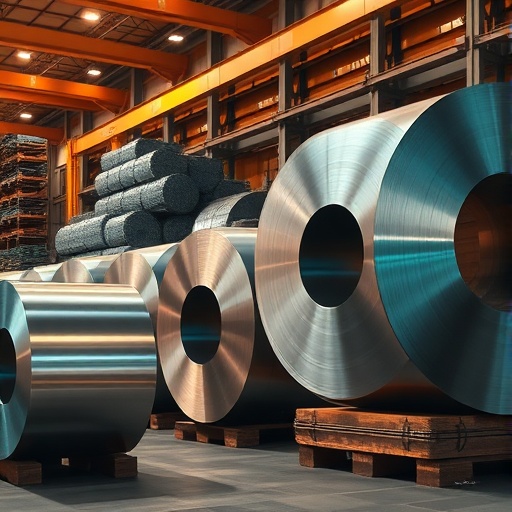
The Impact of Local Regulations on Steel Distribution
California enforces strict environmental and seismic standards that influence steel specifications. Distributors must verify that supplied stainless steel and alloy products meet emissions limits during production and satisfy enhanced ductility requirements for earthquake zones. Compliance documentation adds steps to every steel distribution transaction.
Companies operating in the state adapt by maintaining certified inventories and partnering with mills that follow local rules. Fabricators rely on these specialized steel distribution channels to avoid project stoppages. Regulations also encourage greater use of recycled content, which aligns with the inherent recyclability of stainless steel and supports broader sustainability targets across construction.
Trends in Demand for Galvanized Steel and Stainless Steel
Galvanized steel sees growing use in California infrastructure because its zinc coating extends service life in coastal and agricultural areas. Stainless steel demand rises in high-end residential and commercial builds where architects seek maintenance-free exteriors. Both trends pressure steel distribution companies to balance stock levels between coated carbon grades and higher-alloy options.
Market data shows increased orders for thinner gauges that reduce weight without sacrificing strength. Distributors respond by expanding waterjet and coil processing capabilities. Automotive and aerospace suppliers in the region further drive demand for precision-cut stainless components, reinforcing the need for responsive steel distribution networks attuned to shifting preferences.
Case Studies of Successful Steel Distribution Companies in California
One California steel distribution company expanded its network of warehouses to cover both northern and southern markets, stocking extensive stainless steel and galvanized inventories. By integrating waterjet cutting, it delivers ready-to-install parts to aerospace clients and construction fabricators, shortening lead times dramatically.
Another firm focused on oil and gas and automotive sectors built strong mill partnerships that secure priority allocations during shortages. Its experts guide customers on alloy steel selections that satisfy state regulations while controlling costs. These examples illustrate how targeted steel distribution strategies convert logistical challenges into competitive advantages across diverse California industries.
See Also
- Top Steel Distribution Companies Transforming the Aerospace Sector
- Exploring the Benefits of Cold Rolled Steel in Automotive Applications
- The Rise of Galvanized Steel and Its Distribution Across California
- Innovations in Steel Coil Supply Chains for Enhanced Distribution
- The Essential Guide to Choosing a Reliable Steel Distributor for Your Needs