The Role of Plastic Bottle Manufacturing in the Evolving Healthcare Industry
The Intersection of Plastic Bottle Manufacturing and Healthcare
Overview of Plastic Bottle Use in Healthcare
Plastic bottle manufacturers play a pivotal role in healthcare by producing essential packaging that safeguards medications and medical solutions. These bottles protect contents from contamination, light, and moisture, ensuring patient safety and drug efficacy. In hospitals and pharmacies, plastic bottles house everything from oral suspensions to sterile liquids, with designs tailored for easy dispensing and secure storage. Leading plastic bottle producers innovate to meet stringent health standards, using materials like polyethylene that resist chemical reactions. Beyond pharmaceuticals, these manufacturers supply plastic containers for nutritional supplements and diagnostic reagents, expanding their footprint in the healthcare ecosystem. As demand surges, bottle production companies prioritize precision engineering to deliver reliable products that support global health initiatives. Wholesale suppliers of plastic bottles ensure a steady flow to clinics and labs, while addressing the shift toward versatile packaging that accommodates both healthcare and adjacent sectors like food and beverage. This integration highlights how plastic bottle makers drive efficiency in healthcare delivery, from small vials to large cylinders used in bulk storage.
Importance of Packaging in Pharmaceuticals
Packaging stands as the first line of defense in pharmaceuticals, and plastic bottle manufacturers excel at creating barriers that preserve product integrity. These bottles prevent degradation from environmental factors, extending shelf life and maintaining potency for critical drugs. In the pharmaceutical industry, tamper-evident seals on plastic bottles build trust, alerting users to potential tampering and complying with FDA regulations. Bottle manufacturers integrate child-resistant caps to minimize accidental ingestion risks, a vital feature for household medications. Plastic packaging also facilitates precise dosing through graduated markings on bottles, aiding healthcare professionals in accurate administration. As pharmaceutical demands evolve, producers of plastic bottles incorporate UV protection to shield light-sensitive compounds, ensuring stability during transport and storage. This focus on quality positions plastic bottle companies as indispensable partners in drug distribution chains. From syrups in LDPE bottles to tablets in HDPE jars, these innovations underscore the critical link between robust packaging and patient outcomes in healthcare.
Trends in Healthcare Packaging Design
Healthcare packaging design evolves rapidly, with plastic bottle manufacturers leading the charge toward smarter, user-centric solutions. Current trends emphasize minimalist aesthetics combined with functional enhancements, such as ergonomic grips on bottles for elderly users. Designers incorporate antimicrobial coatings on plastic surfaces to reduce infection risks in clinical settings. Sustainability influences trends too, as eco-friendly plastic bottle manufacturers introduce recyclable PET options without compromising durability. Customization thrives, with bottles shaped like cones or cylinders to fit automated filling lines in pharmaceutical plants. Digital printing allows for vibrant labels that convey health information clearly, boosting compliance. Bottle production manufacturers now embed smart features like QR codes on packaging for traceability, linking to digital health records. These advancements reflect a broader push in the plastic bottle industry toward designs that enhance accessibility and reduce waste, aligning with global healthcare goals for efficiency and safety.
Types of Plastic Bottles Used in the Healthcare Sector
HDPE and LDPE Bottles: Properties and Applications
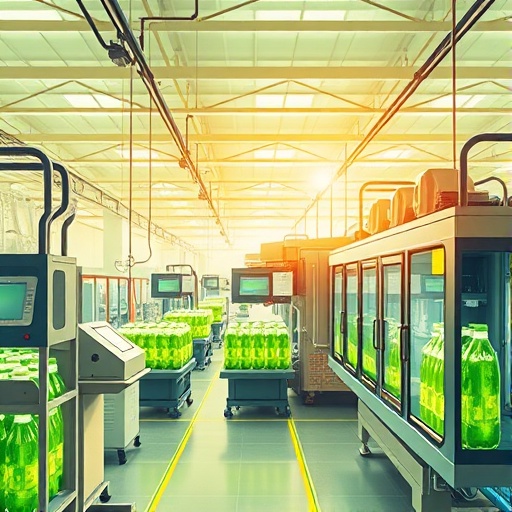
HDPE bottles dominate healthcare applications due to their high-density polyethylene composition, offering superior strength and chemical resistance ideal for storing aggressive pharmaceuticals. These opaque plastic bottles block UV light, protecting sensitive liquids like disinfectants and ointments from degradation. LDPE bottles, made from low-density polyethylene, provide flexibility and a squeeze-dispensing mechanism perfect for oral medications and lotions. Plastic bottle manufacturers craft HDPE jars for bulk storage in labs, while LDPE variants suit smaller, portable healthcare needs. Both materials ensure non-reactive surfaces, preventing leaching into contents and maintaining purity. In the plastic container realm, HDPE withstands high temperatures for sterilization, and LDPE excels in drop tests for transport safety. Bottle suppliers highlight these properties to meet diverse needs, from dairy-derived nutritional formulas to chemical-based antiseptics. As plastic manufacturing companies innovate, HDPE and LDPE bottles remain staples, supporting everything from hospital pharmacies to home health kits with reliable performance.
PET Bottles in Pharmaceutical Packaging
PET bottles revolutionize pharmaceutical packaging with their lightweight, shatterproof nature derived from polyethylene terephthalate. PET plastic shines in healthcare for its clarity, allowing visual inspection of contents like syrups and injectables without opening the bottle. Plastic bottle producers mold PET into precise shapes, including narrow-neck designs for easy pouring in clinical environments. These bottles resist carbonation and oxygen permeation, preserving effervescent medications effectively. PET bottle manufacturers address sustainability by recycling post-consumer resin, appealing to eco-conscious pharmaceutical firms. In the broader plastic bottles manufacturers landscape, PET variants integrate with automated capping systems for high-speed production. From small vials to larger plastic containers, PET ensures compliance with global standards for food-grade and health applications. Its versatility extends to hybrid uses, blending pharmaceutical precision with influences from beverage packaging, where PET's durability shines in transport.
Specialty Chemicals and Their Role in Bottle Manufacturing
Specialty chemicals transform plastic bottle manufacturing, enabling tailored properties for healthcare demands. Additives like stabilizers enhance UV resistance in HDPE and PET bottles, crucial for storing light-sensitive drugs. Plastic bottle fabricators incorporate antimicrobial agents into polyethylene resins to create self-sanitizing surfaces for medical vials and jars. Flame retardants ensure safety in high-heat sterilization processes, while clarifiers improve transparency in LDPE containers for diagnostic fluids. Chemical engineers at bottle production companies fine-tune formulations to meet pharmaceutical purity levels, avoiding interactions with contents. These innovations extend to PVC alternatives, reducing environmental impact while maintaining flexibility for IV solution bottles. In the plastic packaging manufacturers' toolkit, specialty chemicals drive the creation of barrier layers that block moisture in humidity-sensitive meds. As the plastic bottle industry grows, these chemicals empower producers to deliver customized solutions, from agriculture-inspired pest control bottles to healthcare's precision needs, fostering safer, more efficient packaging worldwide.
Sustainability in Plastic Bottle Manufacturing
Eco-Friendly Materials and Biodegradable Options
Eco-friendly plastic bottle manufacturers prioritize materials that minimize environmental harm, introducing biodegradable polymers derived from plant-based sources like corn starch. These options break down faster than traditional plastics, appealing to healthcare providers seeking green alternatives for non-critical packaging. Biodegradable plastic bottle manufacturers blend PLA (polylactic acid) with PET to create hybrid bottles that retain strength while degrading in industrial composters. Plastic container manufacturers shift toward bio-resins for jars and cylinders, reducing reliance on fossil fuels. In healthcare, these materials package supplements and over-the-counter remedies, aligning with sustainability mandates. Recyclable plastic bottle manufacturers enhance designs for easier sorting, boosting recovery rates. Initiatives from bottle makers include ocean-bound plastic recovery for new production, cutting pollution. This movement influences the entire plastic bottle production chain, from raw material sourcing to end-of-life disposal, promoting a circular economy that benefits health and the planet alike.
The Role of PCR in Plastic Production
Post-consumer recycled (PCR) content reshapes plastic production, with plastic bottle manufacturers incorporating up to 100% recycled PET in healthcare packaging. PCR reduces virgin plastic use, conserving resources and lowering carbon footprints for bottles used in pharmaceuticals. Bottle production manufacturers source PCR from beverage and food waste streams, ensuring it meets rigorous purity standards for medical applications. In PET bottles, high PCR levels maintain clarity and strength, suitable for oral liquids and nutraceuticals. Plastic packaging manufacturers certify PCR bottles to comply with health regulations, proving no contamination risks. This approach gains traction among sustainable plastic bottle manufacturers, who educate clients on benefits like cost savings and regulatory incentives. PCR integration extends to HDPE jars for bulk meds, where recycled dairy and chemical containers find new life. As plastic manufacturing companies scale PCR adoption, they drive industry-wide sustainability, making healthcare packaging a model for responsible resource use.
Challenges and Innovations in Sustainable Packaging
Sustainable packaging faces hurdles like material compatibility and cost, yet plastic bottle manufacturers innovate relentlessly to overcome them. Challenges include ensuring biodegradable options withstand sterilization without losing integrity, a key for healthcare vials. Supply chain inconsistencies for PCR resins disrupt production, prompting bottle suppliers to invest in local recycling partnerships. Innovations shine through advanced extrusion techniques that blend recycled and virgin plastics seamlessly for HDPE and LDPE bottles. Eco-friendly plastic bottle manufacturers develop mycelium-based coatings for added biodegradability in non-essential packaging. Smart labeling tracks sustainability metrics, helping pharmaceutical clients verify green claims. In the plastic bottle industry, modular designs allow disassembly for recycling, extending to cone-shaped bottles for specialized meds. These efforts address regulatory pressures while meeting demand for recyclable plastic bottle manufacturers, fostering a resilient ecosystem where innovation turns challenges into opportunities for healthier, greener healthcare packaging.
Engineering and Design Innovations in Bottle Manufacturing
Tamper-Evident Features for Safety
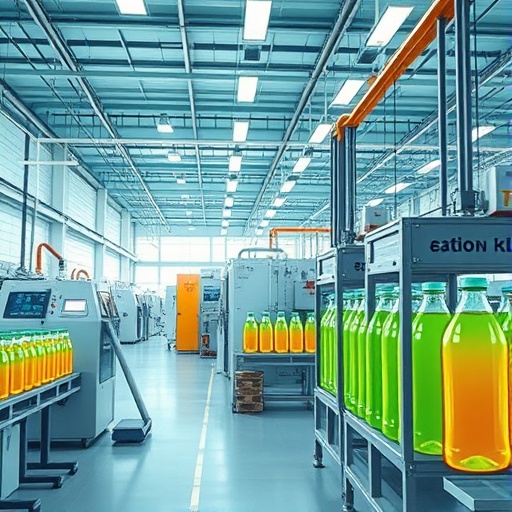
Tamper-evident features fortify plastic bottle manufacturing, ensuring healthcare products reach users unaltered. Plastic bottle companies embed breakable rings on caps that visibly fracture upon unauthorized access, a standard for pharmaceutical bottles. Induction seals beneath lids create airtight barriers, detectable if breached. Engineering teams at bottle production manufacturers integrate these into PET and HDPE designs, using precision molding for flawless execution. In healthcare, these safeguards protect against counterfeiting, vital for high-value drugs in vials and jars. Customizable bands with holograms add layers of security, while color-changing indicators signal tampering via chemical reactions. Plastic container manufacturers test these features rigorously for durability during global shipping. As bottle makers evolve, integration with RFID tags enables real-time monitoring, enhancing supply chain integrity. This focus on safety underscores the engineering prowess driving tamper-evident innovations, making plastic bottles a trusted pillar in health protection.
Customized Shapes and Sizes for Specific Uses
Customized shapes and sizes define modern bottle manufacturing, with plastic bottle manufacturers tailoring designs to healthcare specifics. Cylindrical bottles with wide mouths suit easy filling of powders, while narrow-neck variants prevent spills in lab settings. Cone-shaped plastic containers funnel liquids precisely for dosing in veterinary health. Engineering allows for ergonomic curves on LDPE bottles, improving grip for arthritis patients handling meds. Bottle production companies use CAD software to prototype sizes from 10ml vials to 1L growlers for bulk solutions. Polypropylene options offer heat resistance for autoclavable jars in sterile environments. In the plastic packaging realm, customization extends to threaded necks for secure cap fitting. These adaptations meet diverse needs, from agriculture-derived herbal extracts to core pharmaceutical applications, showcasing how shape and size innovations optimize functionality and user experience in healthcare.
Color and Branding: The Role of Pantone in Packaging
Pantone colors elevate packaging branding, as plastic bottle manufacturers infuse precise hues into healthcare bottles for instant recognition. Vibrant blues on PET plastic signal calm for pediatric syrups, while opaque whites on HDPE jars denote purity in supplements. Pantone's standardized system ensures color consistency across batches, vital for pharmaceutical labeling compliance. Designers at plastic bottle producers layer tints during extrusion, creating gradients that enhance visual appeal without affecting material integrity. Branding extends to custom mouths and necks colored for product differentiation, aiding quick identification in pharmacies. In the broader plastics industry, Pantone guides eco-friendly dyes for sustainable bottles, reducing chemical use. Bottle suppliers leverage these elements to build trust, as consistent colors reinforce brand reliability in health contexts. This artistic engineering merges aesthetics with function, turning ordinary plastic containers into powerful branding tools that communicate safety and quality.
The Future of Plastic Bottle Manufacturing in Healthcare
Technological Advancements and Automation
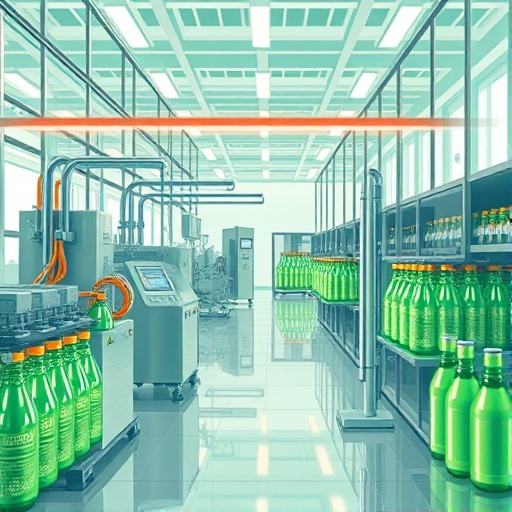
Technological advancements propel plastic bottle manufacturing forward, with automation streamlining healthcare production. Robotic arms at bottle production companies handle high-speed molding of PET and HDPE bottles, ensuring precision for pharmaceutical tolerances. AI-driven quality control scans for defects in real-time, minimizing waste in vial and jar lines. 3D printing prototypes custom shapes like cylinders with integrated tamper-evident features, accelerating design for niche meds. Plastic bottle fabricators adopt blow-fill-seal tech for sterile, single-use containers in IV solutions. Blockchain tracks materials from PCR sourcing to delivery, enhancing traceability in health supply chains. These innovations boost efficiency, allowing plastic manufacturing companies to scale output while maintaining FDA compliance. As automation integrates with IoT sensors, bottles gain smart capabilities for monitoring storage conditions, revolutionizing healthcare logistics and paving the way for next-gen packaging solutions.
The Impact of Regulations on Manufacturing Practices
Regulations profoundly shape manufacturing practices, compelling plastic bottle manufacturers to adopt rigorous standards for healthcare safety. FDA guidelines mandate non-toxic materials in PET and LDPE bottles, driving shifts away from PVC toward safer alternatives. EU REACH rules enforce chemical transparency, influencing specialty chemicals in production and favoring PCR content. Bottle production manufacturers invest in compliance testing to validate tamper-evident designs and barrier properties. Global harmonization reduces trade barriers, benefiting wholesalers of plastic bottles in international pharma markets. Regulations spur innovations like reduced-packaging mandates, cutting plastic use in jars and containers. Plastic packaging manufacturers navigate these by forming alliances for shared R&D, ensuring sustainable practices. This regulatory landscape fosters accountability, elevating the plastic bottle industry toward ethical, high-quality outputs that safeguard public health worldwide.
Consumer Trends and Demand for Eco-Friendly Bottles
Consumer trends fuel demand for eco-friendly bottles, pressuring plastic bottle manufacturers to prioritize sustainability in healthcare. Patients seek recyclable PET options for supplements, mirroring preferences in food and beverage packaging. Eco-friendly plastic bottle manufacturers respond with transparent labeling on PCR-infused products, building consumer trust. Trends toward minimalism favor lightweight designs that reduce shipping emissions for global health deliveries. Social media amplifies calls for biodegradable alternatives, influencing pharmaceutical brands to partner with sustainable suppliers. Bottle makers track these shifts via data analytics, customizing wholesale lines for green-conscious markets. In healthcare, this demand extends to reusable growlers for non-sterile solutions, blending utility with environmental ethos. As awareness grows, plastic bottle producers who embrace these trends gain competitive edges, aligning production with a future where health and sustainability converge seamlessly.
See Also
- Why Choosing the Right Plastic Bottle Manufacturer Matters for Your Brand
- The Journey of a Plastic Bottle from Manufacturer to Your Shelf
- Innovations in Sustainable Packaging from Leading Plastic Bottle Manufacturers
- Exploring Eco-Friendly Solutions from Top Plastic Bottle Producers
- From HDPE to PET the Diverse Materials Used by Plastic Bottle Manufacturers