The Hidden Costs of Poor Workholding Fixtures in Manufacturing
Understanding Workholding Fixtures and Their Importance
The Role of Workholding Fixtures in CNC Machining
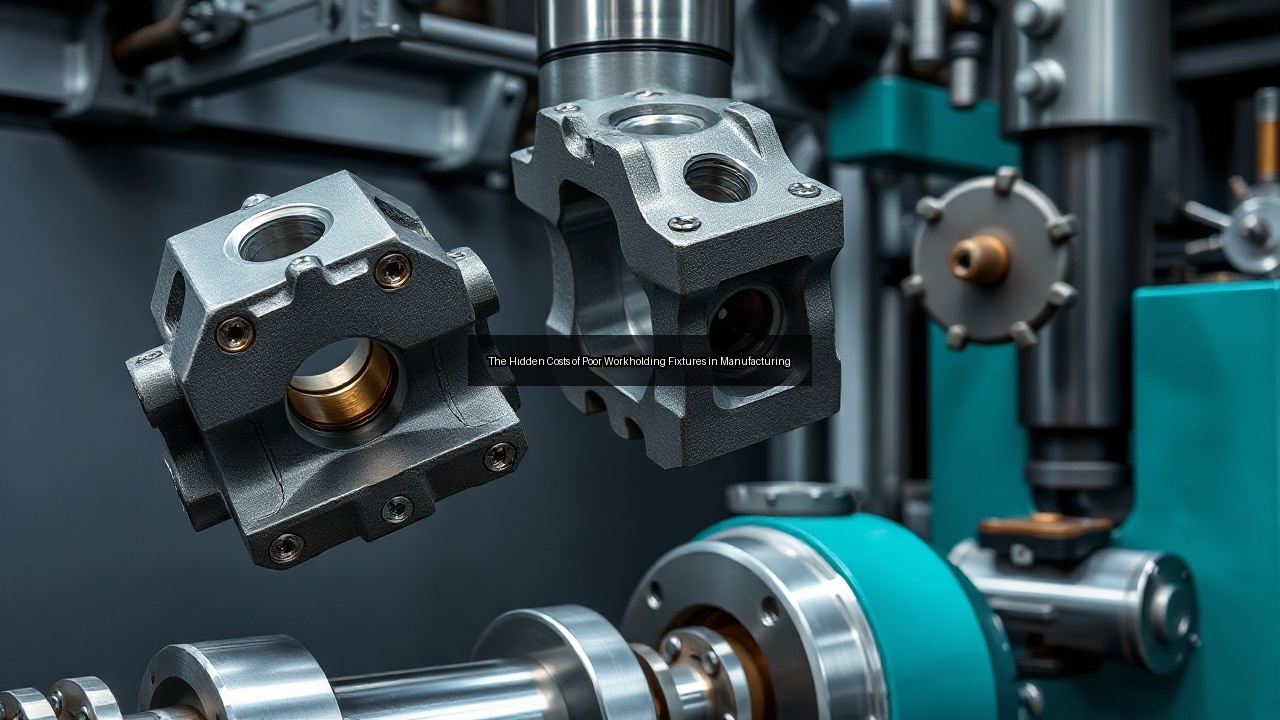
Workholding fixtures secure parts during cnc machining operations so that milling cutters and drills maintain consistent contact with the material. Operators rely on these fixtures to position metal stock accurately on cnc machine tools without movement that could ruin tolerances. In high-volume production, a single fixture setup often supports thousands of cycles on a cnc machine tool before any adjustment occurs. Proper workholding fixtures also protect delicate features from vibration, allowing deeper cuts in tough alloys during fabrication process runs. When manufacturers choose the right fixture for a job, they reduce scrap rates and keep spindle utilization high across multiple shifts. CNC machining centers equipped with stable workholding fixtures deliver repeatable results that meet aerospace and automotive specifications without constant operator intervention.
Types of Workholding Systems: Jigs, Fixtures, and More
Jigs guide tools while fixtures locate and clamp the workpiece, forming the backbone of most metal working setups. Dedicated fixtures handle high-volume milling on cnc machines, whereas modular systems adapt quickly to short runs on the same cnc machine tool. Vacuum workholding suits thin sheets that hydraulic clamps might distort, while magnetic chucks serve ferrous parts during grinding. Jigs often combine drilling bushings with location pins to ensure hole patterns stay identical part after part. Modern shops combine these approaches with automation interfaces so that robotic arms can load and unload parts without manual adjustments. Selecting between jigs and fixtures depends on the operation sequence and required precision levels in the fabrication process.
The Impact of Fixture Design on Accuracy and Speed
Fixture design directly controls how fast a cnc machine tool can remove material without losing accuracy. Rigid locators and balanced clamping force prevent deflection that otherwise forces slower feeds during milling. Well-engineered workholding fixtures allow operators to run higher spindle speeds because vibration stays under control throughout the cut. Poorly designed fixtures create bottlenecks when operators must stop the cnc machining cycle to recheck part alignment. Optimized designs incorporate quick-change plates that reduce setup time from hours to minutes on multi-axis machines. Speed gains compound when fixture rigidity supports aggressive tooling parameters that shorten overall cycle times in production environments.
Hidden Costs of Poor Workholding Solutions
Reduced Accuracy and Its Consequences
Inaccurate workholding fixtures introduce dimensional errors that force downstream inspection and rework. Parts that drift even a few thousandths during cnc machining often fail to assemble correctly in aerospace structures or precision medical devices. Manufacturers absorb the cost through scrapped material, extra milling passes, and delayed shipments. Fixture misalignment also accelerates tool wear because cutting edges encounter uneven loads that create chatter marks on finished surfaces. Over time these accuracy shortfalls erode profit margins as operators spend more time compensating rather than producing. Consistent workholding fixtures eliminate these hidden losses by maintaining location integrity from the first cut to the last in any batch.
Increased Cycle Times: How It Affects Workflow
Weak workholding fixtures extend cycle times because operators must reduce feed rates to avoid part movement during milling. Each extra second per part multiplies across thousands of units and pushes delivery dates further out. Workflow suffers when cnc machine tools sit idle during manual adjustments or when fixtures require frequent re-zeroing. Hydraulic systems that leak pressure or vacuum tables that lose seal create unplanned stops that ripple through the entire production schedule. Shops that upgrade to rigid workholding fixtures often see immediate cycle time reductions of fifteen to twenty-five percent on the same cnc machining programs. These time savings translate directly into higher machine utilization and lower labor costs per completed component.
Impact on Tooling and Tool Life
Poor workholding fixtures transmit vibration into the cutting zone, shortening the life of carbide inserts and drills. Operators notice increased tool changes when fixtures allow micro-movement that interrupts consistent chip formation during milling. Each premature tool failure adds both replacement cost and downtime on the cnc machine tool. Hydraulic and vacuum workholding solutions that maintain steady force reduce these interruptions and let tooling reach its full rated life. Shops tracking tooling expenses find that stable fixtures lower annual tooling budgets by double-digit percentages. The savings appear on the balance sheet as fewer purchases and less time spent indexing inserts or replacing worn drills in high-speed operations.
Common Issues with Workholding Fixtures in Manufacturing
Challenges in Holding Fixtures: Force and Stability
Applying the correct clamping force remains one of the toughest aspects of workholding fixtures. Too little force lets the part shift under cutting loads during cnc machining, while excessive force distorts thin-walled components beyond tolerance. Stability also depends on locator placement that resists both rotational and translational movement throughout the fabrication process. Metal working facilities often test multiple fixture configurations before settling on a design that balances security with part integrity. Automation cells add another layer because robotic grippers must interface cleanly with fixture elements without introducing new variables. Addressing force and stability early prevents the downstream scrap and rework that plague under-engineered holding fixtures.
Hydraulic vs. Vacuum Workholding: Pros and Cons
Hydraulic workholding fixtures deliver high, consistent clamping force suitable for heavy milling on cnc machine tools. They require pumps, hoses, and regular maintenance that add complexity to the shop floor. Vacuum systems offer quick setup and distortion-free holding for thin sheets, yet they struggle with porous materials or parts that present limited surface area. Manufacturers weigh these trade-offs when selecting workholding solutions for mixed material runs. Hydraulic setups shine in high-force applications where vacuum alone cannot prevent lift-off during aggressive cuts. Vacuum tables, however, reduce fixture mass and allow faster tool changes on lighter cnc machining centers. The best choice aligns with part geometry, material properties, and production volume targets.
Automation and Its Role in Fixture Efficiency
Automation integrates with workholding fixtures through standardized pallets and zero-point systems that maintain accuracy across machine transfers. Robotic loading becomes reliable only when fixtures present parts in predictable orientations every cycle. CNC machining cells equipped with automated workholding fixtures achieve higher overall equipment effectiveness because manual intervention drops dramatically. Fixture designers now incorporate sensor feedback that verifies clamp status before the spindle engages. These technologies cut setup time and reduce human error in high-mix environments. Shops that pair automation with robust workholding fixtures report measurable gains in throughput without sacrificing the precision required for complex aerospace components.
Mitigating Costs Through Effective Workholding Strategies
Investing in Quality Fixture Design
Quality fixture design begins with thorough analysis of part geometry and cutting forces before any metal is cut. Engineers model deflection and optimize locator placement to maximize rigidity on the intended cnc machine tool. Although upfront pricing for custom workholding fixtures exceeds off-the-shelf options, the long-term reduction in scrap and cycle time justifies the investment. Shops that treat fixture design as a core process step see faster return on capital through consistent part quality. Collaboration between fixture designers and machinists ensures that workholding solutions support actual production sequences rather than theoretical ones. This proactive approach prevents costly retrofits after production begins.
The Importance of Regular Maintenance on Workholding Tools
Regular maintenance keeps workholding fixtures performing at design specifications and prevents gradual accuracy loss. Operators inspect locators, clamps, and seals on hydraulic or vacuum systems at scheduled intervals to catch wear before it affects parts. Clean surfaces and lubricated moving elements preserve repeatability on cnc machining centers where tolerances sit in the low thousandths. Neglected fixtures develop play that introduces variation across a production run and forces extra inspection steps. Maintenance logs also help predict when replacement components will be needed, avoiding emergency downtime. Facilities that maintain their workholding tools report fewer unplanned stops and longer intervals between major fixture rebuilds.
Innovative Technologies in Workholding: FDM, SLA, and SLS Applications
Additive manufacturing now produces workholding fixtures through fdm, sla, and sls processes that create complex geometries impossible with traditional machining. Fdm fixtures offer rapid prototyping and low-cost customization for low-volume cnc machining jobs. SLA delivers high-resolution details useful for delicate vacuum workholding surfaces, while sls provides strong, functional parts that withstand repeated clamping cycles. These technologies shorten lead times from weeks to days when standard fixture components fall short. Shops combine printed elements with metal hardware to achieve hybrid solutions that balance cost, weight, and strength. The result is greater flexibility in workholding design without sacrificing performance on production cnc machine tools.
Case Studies: The Cost of Neglecting Workholding Fixtures
Aerospace Manufacturing: The High Stakes of Poor Fixtures
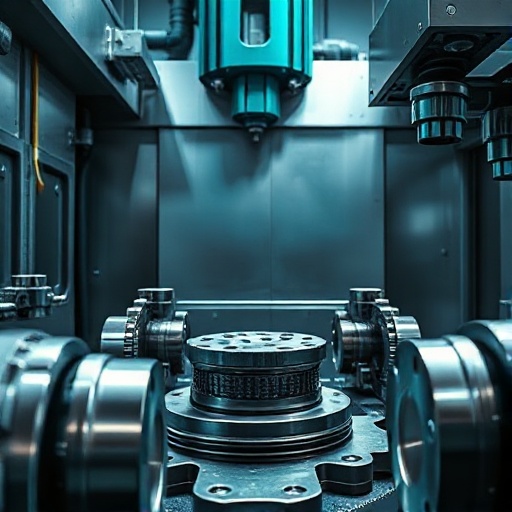
Aerospace manufacturers discovered that inadequate workholding fixtures caused out-of-tolerance holes in titanium structural components, triggering extensive rework and schedule slips. One program lost several weeks of cnc machining capacity while engineers redesigned the fixtures to handle higher cutting forces. The original hydraulic system lacked sufficient rigidity, allowing parts to lift during deep pocket milling operations. After implementing stiffer vacuum-assisted fixtures with better locator patterns, the shop restored accuracy and cut cycle times by eighteen percent. The experience highlighted how workholding fixtures directly influence both quality and throughput in safety-critical applications where even minor deviations carry heavy consequences.
Machining Failures: Real-World Examples and Lessons Learned
One automotive supplier experienced repeated tool breakage on aluminum cylinder heads because the workholding fixtures failed to dampen vibration during high-speed milling. Investigation revealed worn locator pads that allowed micro-movement under cutting loads. Replacement fixtures with updated clamping geometry eliminated the failures and extended tool life by forty percent. Another case involved vacuum tables losing seal mid-cycle on composite panels, causing scrapped parts and damaged tooling on the cnc machine tool. The shop added redundant sealing channels and sensor monitoring to prevent recurrence. These examples demonstrate that attention to workholding fixtures prevents cascading problems that affect both cost and delivery performance across manufacturing operations.
Cost-Benefit Analysis of Upgrading Workholding Systems
Manufacturers who compare legacy workholding fixtures against modern alternatives often find payback periods under twelve months. Upgraded systems reduce scrap, shorten cycle times, and extend tooling life enough to offset higher initial pricing. One precision job shop documented a twenty-two percent drop in annual tooling costs after switching to zero-point workholding fixtures on multiple cnc machining centers. Automation compatibility further increased return by enabling lights-out operation that previously required constant supervision. The analysis also accounts for reduced inspection time because parts exit the machine closer to final tolerances. Facilities that quantify these benefits before purchase decisions make faster progress toward lower overall manufacturing costs and improved competitiveness.