The Future of Level Measurement in Chemical Tanks
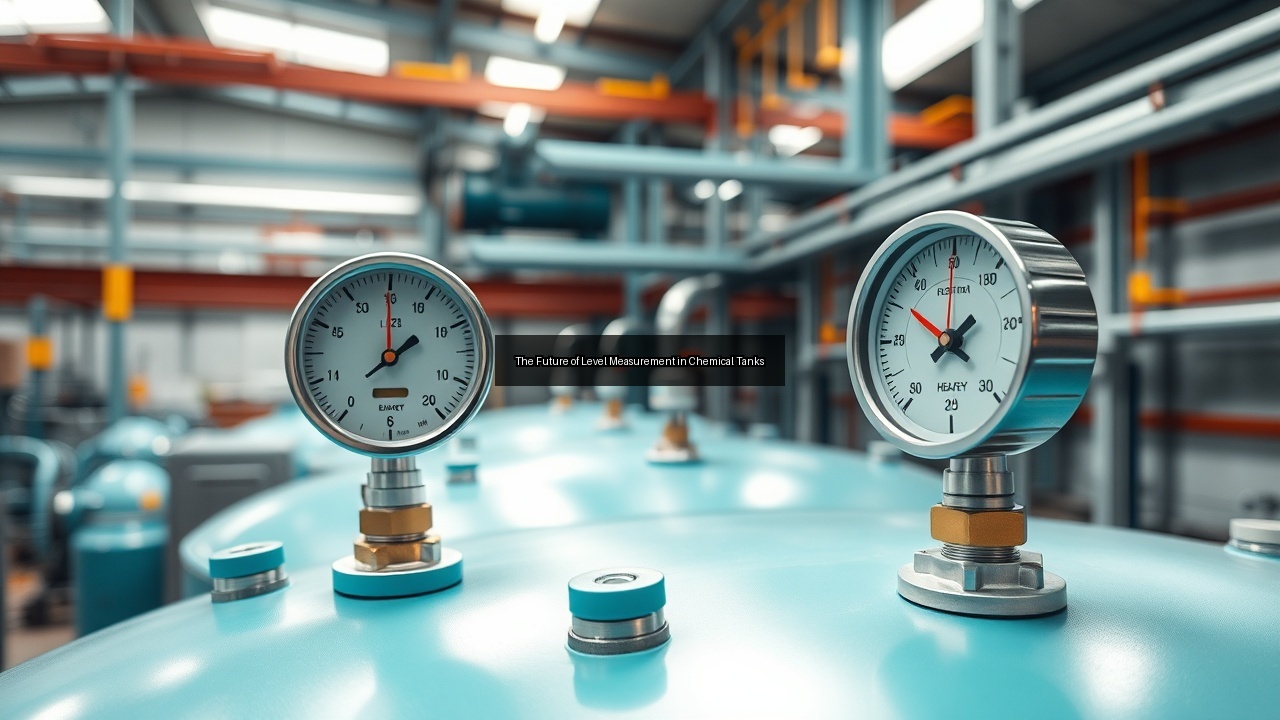
Innovations in Level Measurement Technologies
Emerging Level Sensors for Chemical Tanks
Engineers and manufacturers push the boundaries of level sensors to handle the corrosive and volatile nature of chemicals in storage tanks. Ultrasonic level sensors dominate the scene, sending high-frequency sound waves through the air or liquid to detect precise levels without direct contact. This non-invasive approach prevents contamination and extends sensor life in harsh chemical environments. Radar level sensors take it further, using microwave signals that penetrate vapors and foams common in chemical tanks, delivering accurate readings even in turbulent conditions. Capacitive sensors offer another breakthrough, measuring changes in electrical capacitance caused by liquid levels touching the probe, ideal for sticky or viscous chemicals that might clog traditional devices.
Recent developments incorporate nanotechnology into these level sensors, enhancing sensitivity and resistance to extreme temperatures up to 200 degrees Celsius. For instance, graphene-based coatings on probes repel corrosive substances like acids, ensuring longevity in chemical tank applications. Wireless capabilities now allow these sensors to transmit data in real-time to central systems, reducing wiring hazards in large industrial setups. Companies installing these emerging level sensors report up to 30% improvement in measurement accuracy, minimizing overflows and dry runs that could damage pumps or halt production lines. Beyond chemicals, similar tech adapts to water tanks and rainwater collection systems, where filtration needs demand reliable level detection to automate pumps and prevent overflows. As chemical tank level gauge systems evolve, integrating these sensors promises safer, more efficient operations across industries.
Maintenance simplifies with self-diagnosing features in modern level sensors; they alert operators to fouling or calibration drifts via apps on mobile devices. This proactive monitoring cuts downtime, crucial when dealing with high-value chemicals stored in gallons within massive tanks. Experts predict that by 2030, AI-enhanced level sensors will predict chemical level changes based on usage patterns, optimizing inventory and reducing waste. For chemical plants, selecting the right level sensor means balancing cost with performance—ultrasonic options suit budget-conscious setups, while radar excels in precision for hazardous materials. Overall, these innovations transform level measurement from a reactive task into a predictive powerhouse, safeguarding assets and personnel alike.
Advancements in Level Gauges
Level gauges evolve rapidly to meet the demands of chemical storage, where visibility and durability define success. Sight glass level gauges, once standard, now feature borosilicate glass reinforced with PTFE linings to withstand aggressive chemicals like sulfuric acid. These transparent gauges allow direct visual inspection of tank levels, but advancements include illuminated versions for low-light environments, ensuring operators spot issues like sediment buildup that could affect filtration processes. Magnetic level gauges represent a leap forward, using a float with a magnet that drives indicators along an external tube, eliminating the need for glass exposure to internals and reducing rupture risks.
Digital enhancements propel level gauges into the smart era; electronic displays integrate with PLC systems for automated readouts in gallons or percentages, syncing seamlessly with pump controls to maintain optimal chemical levels. Float-based gauges improve with corrosion-resistant materials like Hastelloy, extending service life in saline or chlorinated chemical tanks. For larger storage tanks, bypass level gauges offer redundancy, routing fluid through a side chamber for safer monitoring during high-pressure operations. These advancements address related concerns like chemical gauge reliability, where inaccurate readings once led to spills costing millions.
In practice, hybrid level gauges combine mechanical and electronic elements, providing fallback options if one fails—vital in remote chemical tank setups. Calibration tools now use laser alignment for pinpoint accuracy, compensating for tank distortions over time. Industries beyond chemicals, such as water treatment with rainwater harvesting tanks, benefit from these robust designs, where level tank gauges prevent overflows during storms. Customer support from gauge manufacturers plays a key role, offering on-site training to fine-tune installations. As chemical tank level gauge technology advances, it not only boosts precision but also integrates with broader safety protocols, like automatic shutoffs tied to level indicators. Future models promise haptic feedback for remote monitoring, alerting teams via vibrations on carts or wearables during plant rounds.
Integration of IoT in Level Measurement
IoT revolutionizes level measurement by connecting sensors and gauges to vast networks, enabling real-time data flow from chemical tanks to cloud platforms. Gateways link multiple level sensors, aggregating data on chemical levels, temperatures, and pressures for holistic monitoring. This setup allows predictive analytics to forecast when a tank nears capacity, triggering alerts to adjust pumps or reorder supplies. In chemical plants, IoT-enabled level measurement cuts manual checks by 70%, freeing workers for higher-value tasks while enhancing safety through remote access.
Wireless protocols like LoRaWAN ensure robust connectivity in expansive facilities, where traditional wiring falters amid chemical vapors. IoT platforms visualize tank level data on dashboards, supporting decisions like optimizing filtration cycles to maintain chemical purity. For instance, in storage tank operations handling hazardous materials, IoT integration with level gauges prevents overfills by auto-shutting valves, averting environmental disasters. Scalability shines here—small setups with a single chemical tank level gauge expand effortlessly to fleet-wide monitoring, including auxiliary water tanks for cooling systems.
Security features encrypt data transmissions, protecting against cyber threats in interconnected chemical environments. Edge computing processes readings locally, reducing latency for immediate pump responses during level fluctuations. Related searches on tank level indicators highlight IoT's role in sustainability, tracking usage to minimize waste. Customer support evolves too, with IoT systems offering remote diagnostics—technicians troubleshoot level sensor issues via apps, slashing response times. As adoption grows, IoT fuses with machine learning to detect anomalies like leaks early, extending to rainwater management tanks where precise level tank measurement optimizes collection and storage. This integration not only streamlines operations but redefines reliability in chemical tank level gauge deployments.
The Importance of Accurate Level Measurement
Impact on Chemical Safety
Accurate level measurement stands as the frontline defense in chemical safety, preventing catastrophic spills that endanger workers and facilities. Precise chemical tank level gauges detect overflows before they occur, activating alarms and shutdowns to contain volatile substances like solvents or acids. Without reliable level sensors, misreads lead to human error, where operators overfill tanks, causing pressure buildups that rupture seams and release toxins into the air. Regulatory bodies like OSHA mandate such systems, underscoring their role in compliance and liability reduction.
In high-stakes environments, level measurement integrates with emergency protocols; for example, radar-based gauges in chemical tanks provide continuous monitoring, alerting teams to rapid level changes indicative of reactions gone awry. This precision saves lives—studies show facilities with advanced level gauges experience 50% fewer incidents. Beyond immediate hazards, accurate readings ensure proper mixing ratios, avoiding unstable compounds that could ignite. Even in ancillary systems like water tanks for dilution, faulty level tank measurement risks contaminating chemicals, amplifying dangers.
Training emphasizes gauge maintenance to sustain accuracy, with regular calibrations preventing drifts from corrosion or buildup. Customer support from sensor providers offers safety audits, tailoring solutions to specific chemical profiles. As industries scale, IoT-enhanced level measurement logs data for post-incident analysis, refining protocols. For chemical level gauge users, investing in robust systems pays dividends in insurance premiums and peace of mind, transforming potential disasters into managed routines.
Efficiency in Storage Tank Operations
Efficient storage tank operations hinge on precise level measurement, streamlining workflows and cutting costs in chemical handling. Real-time data from level gauges optimizes inventory, signaling when to refill or transfer chemicals, preventing stockouts that idle production lines. Automated pumps respond to level sensor inputs, maintaining steady flows without manual intervention, boosting throughput by up to 40%. In large-scale tanks holding thousands of gallons, this efficiency translates to significant energy savings, as motors run only when needed.
Level measurement tools like ultrasonic gauges integrate with ERP systems, forecasting demand based on historical patterns and adjusting storage strategies. For chemical tanks, this means balanced loads across multiple units, reducing wear on valves and pipes. Filtration processes benefit too—accurate levels ensure filters operate at peak without dry-running, preserving media life. Comparisons to water tanks reveal similar gains; rainwater storage systems use level tank indicators to automate distribution, mirroring chemical efficiencies.
Operators leverage mobile apps tied to measuring instruments for on-the-go checks, enhancing decision-making during shifts. Customer support ensures seamless upgrades, minimizing disruptions. Overall, accurate tank level measurement fosters lean operations, where data drives every move from procurement to dispatch, elevating chemical plant productivity.
Reducing Environmental Risks
Level measurement plays a pivotal role in curbing environmental risks from chemical storage, where spills threaten ecosystems and water sources. Reliable chemical tank level gauges prevent overflows into soil or waterways, complying with EPA standards that demand vigilant monitoring. Early detection via level sensors halts leaks before they escalate, containing contaminants and easing cleanup efforts. Industries report that advanced systems slash spill volumes by 60%, protecting biodiversity in surrounding areas.
In volatile setups, non-contact gauges like radar minimize intrusion risks, ensuring accurate readings without compromising tank integrity. Integration with secondary containment alerts operators to breaches, triggering pumps to redirect flows. For rainwater-influenced sites, level tank measurement prevents chemical runoff during storms, safeguarding filtration in municipal systems. Sustainable practices emerge as level indicators track usage, promoting recycling and reducing fresh chemical demands.
Global trends push for eco-friendly measuring instruments, with biodegradable components in sensors. Customer support aids in green certifications, guiding selections for low-impact operations. By prioritizing accurate level measurement, facilities not only mitigate fines but contribute to cleaner environments, where chemical safety aligns with planetary health.
Choosing the Right Level Gauge for Your Application
Types of Level Gauges for Chemical Tanks
Chemical tanks demand specialized level gauges tailored to their contents' corrosiveness and volatility. Reflex level gauges use prismatic glass to reflect light, providing clear visibility of liquid levels while hiding vapors above, perfect for high-pressure chemical applications. Transparent gauges offer full-view tubes for multi-phase fluids, lined with materials like PFA to resist acids and bases. These types suit straightforward monitoring in storage tanks, where operators need quick glances without electronics.
Magnetic flap level gauges excel in hazardous zones, with external indicators following internal floats sans direct contact, ideal for toxic chemicals. For dynamic environments, differential pressure gauges measure hydrostatic head, compensating for density variations in slurries. Displacer types suspend weighted floats that rise with levels, offering high accuracy for interface detection between chemicals and water layers. Even in broader uses like water tanks, these adapt for rainwater level tracking.
Electronic variants, including guided wave radar, penetrate obstacles for precise tank level gauge readings in foamy conditions. Selection depends on tank size—from small carts to massive silos—and chemical properties. Measuring instruments evolve, blending types for hybrid reliability. Customer support helps navigate options, ensuring the chosen level gauge aligns with operational needs and safety regs.
Factors to Consider When Selecting a Level Sensor
Selecting a level sensor requires evaluating chemical compatibility first—probes must endure specific substances without degrading, like titanium for chlorides. Temperature and pressure ratings follow; sensors in hot chemical tanks need high-temp tolerance to avoid false readings. Accuracy levels, often ±1mm, determine suitability for precise applications versus rough estimates in bulk storage.
Installation ease matters—non-intrusive options like ultrasonic suit retrofits, while invasive ones demand tank downtime. Cost balances upfront investment with lifecycle savings; durable sensors reduce replacements. Integration potential with IoT or pumps enhances value, enabling automation. Environmental factors, such as vibration or humidity, influence choices, especially in outdoor chemical tank setups near rainwater sources.
Maintenance demands and vendor support round out decisions—self-cleaning models minimize upkeep. For tank level measurement, testing prototypes ensures fit. Related queries on chemical level sensors highlight these factors, guiding users to informed picks that boost efficiency and safety.
Comparative Analysis of Measuring Instruments
Comparing measuring instruments reveals ultrasonic sensors' edge in cost-effectiveness for clean chemicals, offering wide range without contact, though vapors can skew results. Radar instruments shine in accuracy for steamy tanks, penetrating obstacles at higher prices. Capacitive types provide compact solutions for viscous fluids but falter with coatings.
Float switches offer simple on/off detection for pumps, inexpensive yet prone to sticking in dirty chemicals. Guided wave sensors combine radar precision with low cost, ideal for interfaces. In water tanks, hydrostatic sensors match chemical needs for pressure-based reads. Analysis shows hybrids—ultrasonic with radar backup—maximize reliability.
Performance metrics like response time and calibration frequency vary; radars need less upkeep. For chemical tank level gauges, ROI favors durable options. Customer support comparisons aid selections, with data-driven insights ensuring optimal instrument choice for tanks and beyond.
Future Trends in Chemical Tank Level Measurement
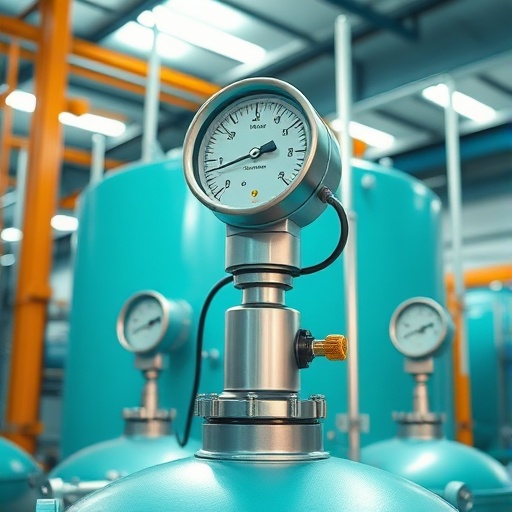
Smart Tank Level Indicators
Smart tank level indicators harness AI to anticipate needs, analyzing patterns in chemical usage for proactive alerts. These devices embed processors that learn from data, predicting dry-outs or overflows days ahead, integrating with supply chains for just-in-time deliveries. Visuals evolve to AR overlays, projecting levels onto tank exteriors via apps, aiding inspections without climbing.
Blockchain secures data logs for audits, ensuring traceability in chemical handling. Compatibility with 5G enables ultra-low latency, syncing indicators across global plants. In storage tanks, smart features optimize space, rotating inventories to prevent stagnation. Water tank adaptations include smart indicators for rainwater, automating filtration based on purity levels.
Energy harvesting powers them sustainably, drawing from tank vibrations. Customer support integrates AI chatbots for instant troubleshooting. As trends unfold, smart tank level indicators redefine measurement, making chemical operations intuitive and resilient.
Sustainability in Chemical Storage Solutions
Sustainability drives chemical storage solutions toward eco-conscious level measurement, with sensors using recyclable materials to cut waste. Low-power designs extend battery life, reducing disposal impacts in remote tanks. Accurate gauges minimize overproduction by tracking consumption precisely, conserving resources like rare earths in chemicals.
Green certifications favor instruments with minimal emissions during manufacturing. Integration with renewable energy sources powers monitoring, aligning with net-zero goals. For rainwater-integrated systems, sustainable level tank gauges prevent wasteful overflows, enhancing water reuse in chemical dilution. Filtration advancements tie to levels, recycling process water efficiently.
Lifecycle assessments guide choices, favoring long-lasting measuring instruments. Customer support promotes sustainable upgrades, offering trade-ins for old gauges. Future solutions embed carbon tracking, where level data informs emissions reports, fostering a greener chemical industry.
The Role of Customer Support in Level Measurement Technology
Customer support anchors level measurement technology, providing expertise from selection to deployment in chemical tanks. Teams offer consultations on gauge types, matching them to specific chemicals and tank configurations for optimal performance. Installation guidance prevents errors, with virtual simulations for complex setups involving pumps and filtration.
Post-sale, 24/7 hotlines resolve issues like sensor drifts, dispatching parts swiftly to minimize downtime. Training programs equip staff on calibration and safety, extending instrument life. For IoT systems, support includes software updates and cybersecurity checks. In water tanks or rainwater applications, tailored advice ensures versatility.
Feedback loops improve products, incorporating user insights into R&D. Premium tiers provide on-site audits, enhancing ROI. As technology advances, robust customer support remains vital, turning potential challenges into seamless experiences for chemical tank level gauge users.