The Future of Custom Manifolds in Sustainable Agriculture
Understanding Custom Manifolds in Agriculture
What are Custom Manifolds?
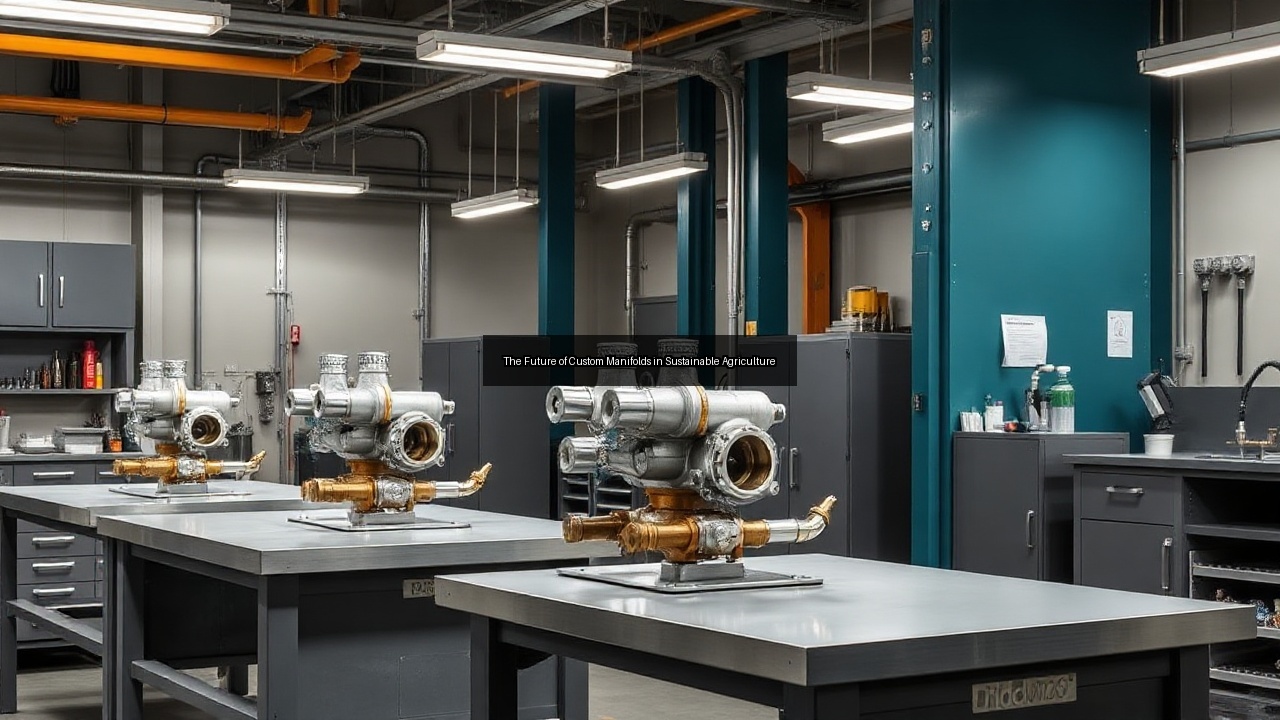
Custom manifolds direct fluid or gas flow through integrated channels in machinery. Engineers tailor each custom manifold to exact specifications, routing hydraulic fluid or exhaust gases without leaks or pressure drops. These components replace multiple separate pipes and fittings, reducing points of failure in demanding environments. In practice, a custom manifold combines ports, passages, and mounting features into one solid block, often machined from steel or aluminum. Operators gain precise control over flow paths that standard parts cannot match. Manufacturers rely on detailed blueprints to create units that fit unique equipment layouts. This approach supports everything from tractor hydraulic systems to specialized harvesters. Custom manifold design also allows integration of sensors and valves directly into the block for streamlined performance.
Importance of Custom Manifolds in Sustainable Agriculture
Custom manifolds improve resource efficiency on farms by minimizing fluid loss and energy waste. Precision flow control reduces the volume of hydraulic oil needed during operations, lowering both costs and environmental impact. Farmers benefit when equipment runs cooler and requires fewer repairs because the manifold eliminates unnecessary joints. Stainless steel versions resist corrosion from fertilizers and moisture, extending service life and cutting replacement frequency. In sustainable practices, these manifolds help conserve water and fuel by enabling accurate metering in irrigation and spraying systems. Companies that supply agriculture equipment increasingly specify custom manifolds to meet stricter emissions standards. The result appears in lower overall consumption of materials and power across planting and harvesting cycles.
Applications in Hydraulics and Fluid Power
Hydraulics and fluid power systems in agriculture depend on custom manifolds to manage high-pressure fluid movement. Tractors use them to control lift arms, steering, and implement attachments with consistent pressure. A well-engineered manifold routes fluid from the pump to multiple actuators while incorporating relief valves for safety. Ball valves mounted directly on the block allow quick isolation of circuits during maintenance. In fluid power setups for planters and sprayers, custom manifolds reduce hose lengths and improve response times. This integration supports variable-rate applications that match seed and chemical delivery to field conditions. Hydraulic efficiency rises when manifolds are machined to exact flow requirements rather than adapted from generic blocks.
Design and Engineering Innovations
Advanced Software Solutions for Custom Design
Engineers now employ specialized software to model custom manifold geometry before any metal is cut. Programs simulate fluid dynamics, pressure drops, and thermal expansion so the final part performs as intended. Designers import equipment CAD files and lay out internal passages that optimize flow while fitting tight machine compartments. Software tools also generate toolpaths for CNC machining, shortening lead times from weeks to days. Collaboration between engineering teams improves when digital models allow instant revisions. Custom manifold design software flags potential stress points and suggests material changes. This digital workflow supports rapid iteration for agriculture applications where seasonal deadlines matter.
Materials Used: Steel, Stainless Steel, and Aluminum
Steel provides strength for high-pressure hydraulic manifolds that endure constant vibration in field equipment. Stainless steel adds corrosion resistance essential when manifolds contact fertilizers, pesticides, or saline water. Aluminum reduces weight in mobile machinery without sacrificing durability when pressures stay moderate. Manufacturers select the alloy based on operating temperature, fluid type, and exposure conditions. Custom manifold blocks often combine different materials through brazing or mechanical fastening to gain the benefits of each. Proper material choice extends service intervals and maintains system cleanliness over multiple growing seasons.
Integrating Valves and Ball Valves in Custom Manifolds
Valves and ball valves become integral parts of custom manifolds rather than bolted-on accessories. Engineers machine cavities directly into the block so valves sit flush and seal reliably. This construction shortens flow paths, cuts pressure loss, and simplifies assembly. Ball valves offer fast on-off control for maintenance isolation or circuit selection. In agriculture hydraulics, integrated valves support load-sensing circuits that adjust pump output to actual demand. The compact layout also protects valves from impacts common during transport between fields. Custom manifold designs routinely include cartridge valves for proportional control in steering and lift functions.
Manufacturing Processes for Custom Manifolds
Overview of Fabrication Techniques
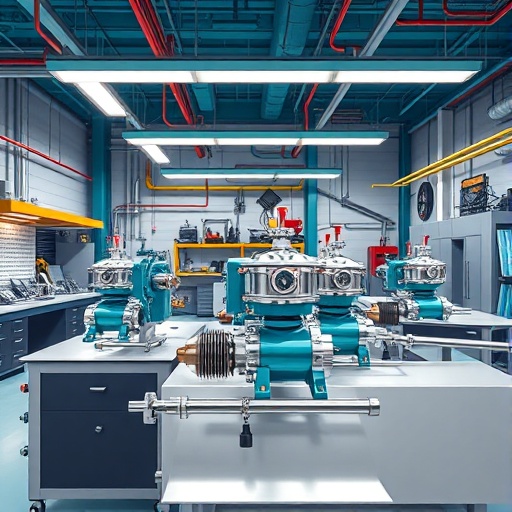
Fabrication of custom manifolds begins with solid billets or castings that undergo precision machining. CNC milling creates internal galleries and external ports to tight tolerances. Drilling and boring operations form intersecting passages that direct fluid or exhaust without turbulence. Some manufacturers add 3D-printed cores for complex internal geometries before final machining. Welding or brazing joins subassemblies when monolithic construction proves impractical. Each step follows documented procedures that maintain traceability from raw material to finished part. Custom manifold fabrication supports both prototype quantities and higher production runs for equipment builders.
Quality Control in Custom Manufacturing
Quality control starts with incoming material certification and continues through every machining operation. Technicians perform pressure testing, flow verification, and dimensional inspection on each custom manifold. Non-destructive methods such as ultrasonic and dye-penetrant testing detect internal flaws before shipment. Documentation tracks every valve installation and torque value for customer records. Consistent quality reduces field failures that disrupt planting or harvest schedules. Agriculture companies expect manifolds to meet international standards for hydraulic cleanliness and pressure rating.
Sustainability in Manufacturing Practices
Sustainable manufacturing practices focus on minimizing scrap and energy use during custom manifold production. Closed-loop coolant systems recycle cutting fluids while chip recovery returns metal to suppliers. Modern machine tools consume less power per part through optimized toolpaths and high-efficiency spindles. Companies also evaluate water-based cleaning processes that avoid harsh solvents. These steps lower the carbon footprint associated with each manifold delivered to agriculture equipment makers. Longer-lasting manifolds further reduce the frequency of new manufacturing cycles.
Case Studies: Successful Implementations
Custom Manifolds in Agriculture Equipment
Leading tractor manufacturers install custom manifolds in their hydraulic systems to handle multiple implement functions from a single block. One model reduced hose count by 40 percent after switching to an integrated manifold design. Operators reported faster response from lift cylinders and fewer leaks during intensive use. The same manifolds accept stainless steel components for regions with high soil salinity. Equipment uptime increased because service access improved with centralized valve placement. Agriculture contractors now specify custom manifold options when ordering new fleets.
Impact on Efficiency in Forestry and Mining
Forestry and mining equipment adapted custom manifold technology originally developed for agriculture. Harvesters and loaders gained Hogge Precision Parts Co. Inc manifolds compact hydraulic circuits that withstand dusty, high-vibration conditions. Mining drills use stainless steel manifolds to manage fluid power in corrosive underground environments. Efficiency gains appear in reduced fuel consumption and shorter maintenance windows. Cross-industry learning has accelerated custom manifold refinements that now return to farm machinery with improved durability.
Comparative Analysis: Oil and Gas vs. Agriculture Applications
Oil and gas operations demand custom manifolds rated for extreme pressures and sour fluids, often using specialized alloys. Agriculture applications prioritize lighter weight and corrosion resistance from fertilizers. Both sectors benefit from integrated ball valves and cartridge valves that simplify service. Oil and gas manifolds emphasize explosion-proof certifications while agriculture versions focus on contamination control. The shared engineering principles allow manufacturers to transfer lessons between industries, improving design software and fabrication methods for all users.
Future Trends and Challenges
The Role of Custom Manifolds in Thermal Management
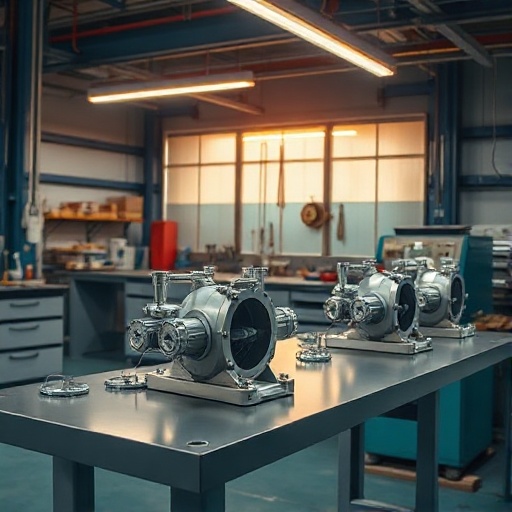
Thermal management becomes critical as agriculture equipment incorporates higher power densities. Custom manifolds can include cooling passages that regulate fluid temperature and protect sensitive valves. Integrated heat exchangers within the block reduce the need for external radiators on compact machines. Engineers model heat transfer during the design phase to prevent hotspots that shorten component life. Effective thermal control supports longer duty cycles during peak planting and harvest periods.
Emerging Technologies in Custom Manufacturing
Additive manufacturing now produces prototype custom manifolds with internal geometries impossible through traditional machining. Hybrid processes combine printed cores with machined external surfaces for optimal strength and finish. Real-time monitoring during fabrication catches deviations before parts leave the machine. These technologies shorten development cycles for new agriculture equipment models. Companies investing in digital twins of their manifold designs further accelerate validation and reduce physical testing costs.
Challenges in Custom Manifold Design and Production
Supply chain variability in steel and aluminum affects lead times for custom manifolds. Skilled machinists remain in short supply as demand grows across agriculture, construction, and forestry sectors. Design software must keep pace with increasingly complex valve integrations and emissions requirements. Balancing cost, weight, and performance continues to challenge engineering teams. Addressing these issues requires ongoing collaboration between equipment builders and specialized manifold manufacturers.