Navigating Quality Control in Custom Skid Fabrication Projects
Understanding Custom Skid Fabrication
What Are Modular Process Skids?
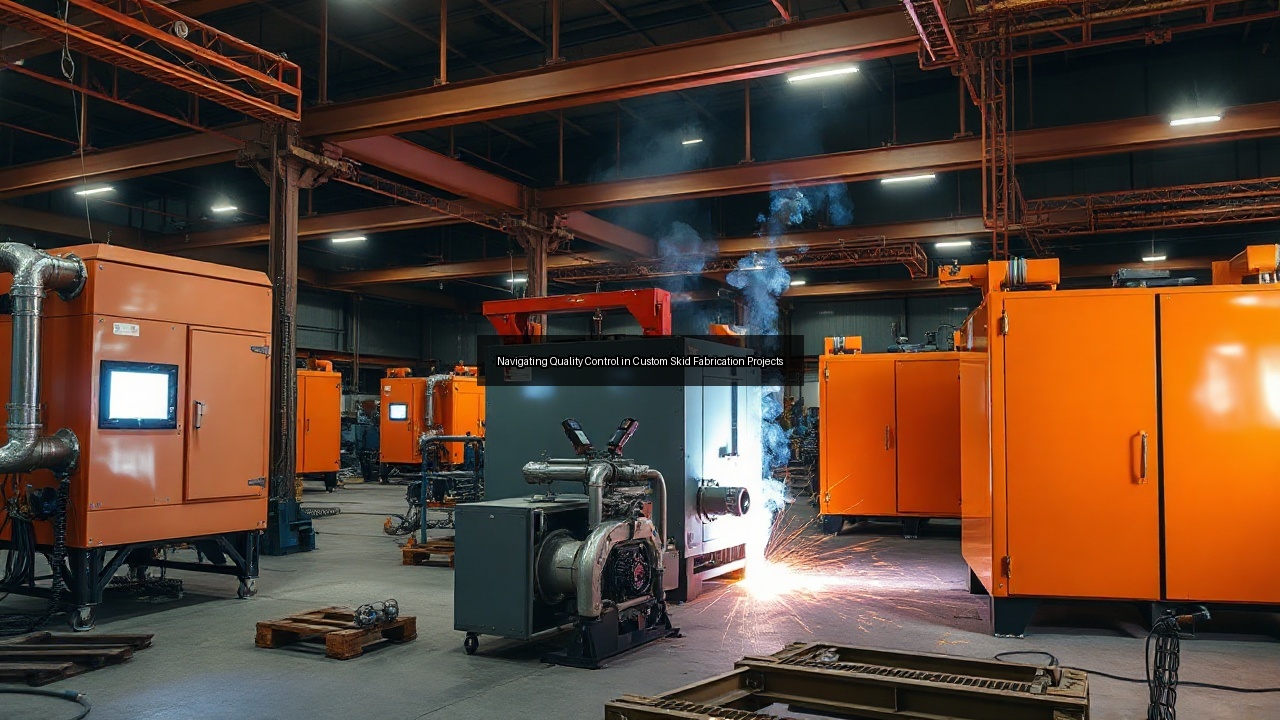
Modular process skids deliver complete process units built on a steel frame for easy transport and installation. Custom skid fabrication creates these units to exact specifications, allowing companies to integrate pumps, vessels, and controls in a single package. Fabricators handle the entire assembly in a controlled shop environment before shipping to the site. This approach reduces field construction time and improves consistency across projects in demanding sectors like the oil and gas industry. Engineers design each modular process skid https://agifabricators.com/process-skids/ to match flow rates, pressure ratings, and space limits, ensuring reliable performance once connected to existing infrastructure.
Key Components of a Modular Process System
Every modular process system includes structural frames, piping networks, valves, instrumentation, and electrical panels. Skid fabrication teams weld the base frame from heavy steel beams and attach all process equipment directly to it. Pumps move fluids while heat exchangers manage temperatures. Control panels house PLCs that monitor operations in real time. Quality control checks verify that each component meets pressure and material standards before final assembly. Manufacturers select gaskets and seals that withstand corrosive fluids common in oil and gas applications, keeping the entire modular skid leak-free during operation.
Applications in the Oil and Gas Industry
Oil and gas operators rely on custom skid fabrication for wellhead separation, chemical injection, and gas compression systems. A modular skid arrives pre-tested, allowing crews to set it on a concrete pad and tie in lines within days. Fabrication shops build these units to handle high-pressure sour service or cryogenic conditions. Safety features such as relief valves and fire detection integrate during the build. Companies reduce downtime by swapping out an entire modular process skid when maintenance is required, maintaining continuous production without extended shutdowns.
The Fabrication Process: From Design to Completion
Initial Design Considerations
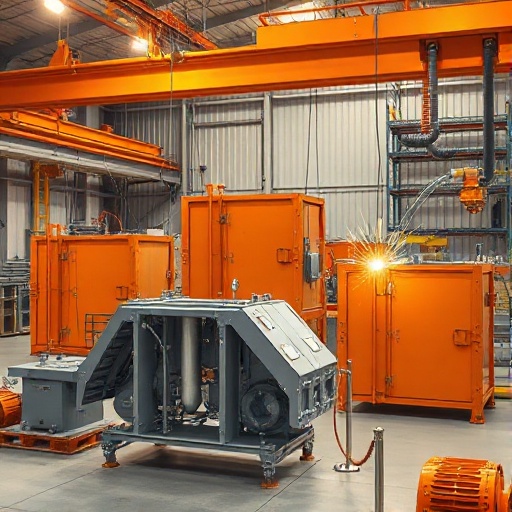
Design teams start by reviewing process flow diagrams and site layout drawings. They calculate load paths for the steel frame and route piping to avoid interference. Custom skid fabrication demands precise 3D modeling so every valve and instrument stays accessible for maintenance. Engineers factor in lifting points and transport dimensions to comply with road regulations. Early collaboration between the client and fabricator prevents costly changes later. The design phase also sets the foundation for quality control by specifying weld procedures and inspection points at each stage of the fabrication process.
Choosing Materials: Alloys and Their Importance
Material selection drives long-term reliability in skid fabrication. Carbon steel works for many applications, yet alloy grades such as 316 stainless or duplex provide superior corrosion resistance in sour gas service. Fabricators source certified plate and pipe with mill test reports that trace chemistry and mechanical properties. Proper alloy choice prevents pitting and stress cracking under high chloride or hydrogen sulfide exposure. Quality assurance teams verify material certificates before cutting begins, ensuring every piece of the modular skid meets the project specification and industry codes.
Welding Techniques and Best Practices
Skid fabrication welding combines GTAW for root passes with SMAW or FCAW for fill passes on structural members. Welders follow qualified procedures that control heat input and interpass temperature. Post-weld heat treatment relieves residual stresses in critical piping. Inspectors perform visual checks plus dye penetrant or ultrasonic testing on all pressure-retaining welds. Consistent technique produces smooth beads that resist fatigue in vibrating service. Shops maintain weld maps that record each joint, welder identification, and inspection results for full traceability throughout the project.
Ensuring Quality Control Throughout the Project
Quality Management Systems for Skid Fabrication
A robust quality management system governs every step of custom skid fabrication. Procedures cover incoming material inspection, in-process checks, and final functional testing. Document control ensures the latest revision of drawings reaches the shop floor. Nonconformance reports trigger immediate corrective action when dimensions or weld quality fall outside tolerance. Regular audits by internal and third-party inspectors verify that the system remains effective. This structured approach gives clients confidence that the finished modular skid will perform as specified once installed at the facility.
The Role of Quality Assurance in Manufacturing
Quality assurance personnel review weld procedures and material certifications before work starts. They witness pressure tests and review calibration records for torque wrenches and pressure gauges. During assembly, they confirm that all instruments carry proper hazardous-area certifications required in oil and gas environments. Final documentation packages include as-built drawings, test reports, and material traceability records. Strong quality assurance practices reduce field issues and support safe startup of the modular process skid.
Risk Assessment and Mitigation Strategies
Fabrication teams conduct formal risk assessments at the start of each custom skid fabrication project. They identify hazards such as lifting heavy modules, working with high-pressure test media, and handling toxic chemicals. Mitigation includes engineered lifting lugs, blast mats during hydrotesting, and ventilation for welding fumes. Contingency plans address schedule delays from material shortages or weld repairs. Continuous monitoring of these risks keeps the project on track while protecting workers and preserving the integrity of the finished modular skid.
Technological Innovations in Skid Fabrication
Emerging Technologies in Modular Skid Fabrication
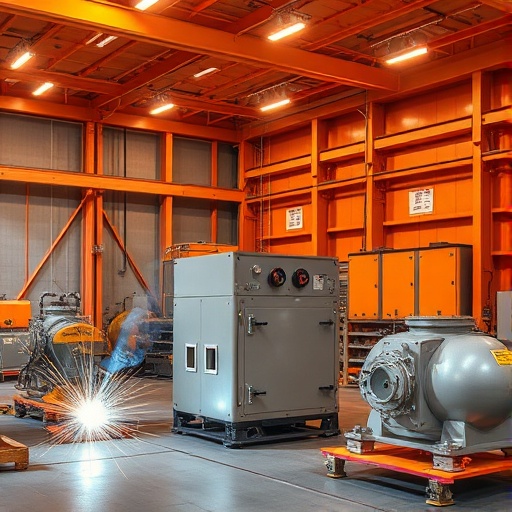
New laser scanning tools capture existing plant geometry so fabricators can design modular skids that fit tight spaces without field rework. Digital twins allow engineers to simulate flow and stress before any steel is cut. Augmented reality overlays guide welders through complex joint sequences, reducing errors. These technologies speed the fabrication process while raising first-pass quality rates. Clients receive real-time progress dashboards that highlight milestones and any quality control flags that arise during construction.
Impact of Automation on Quality and Cost
Robotic welding cells produce consistent, high-quality seams on repetitive pipe spools used in modular process skids. Automated cutting and drilling stations maintain tight tolerances that manual methods struggle to match. Reduced human variability lowers rework and scrap, directly trimming overall project cost. Automation also shortens lead times, enabling faster delivery of complete modular skids to remote oil and gas sites. Fabricators that invest in these systems deliver repeatable quality at competitive prices.
Advancements in Machining Techniques
Five-axis machining centers create precise mounting pads and flange faces directly on the skid frame. CNC pipe bending eliminates many welded elbows, reducing leak paths and fabrication time. Advanced waterjet and plasma cutters handle thick alloy plate with minimal heat-affected zones. These machining improvements support tighter tolerances that improve seal integrity and simplify final assembly. Quality control benefits because machined surfaces require fewer manual adjustments during integration of pumps and instruments.
Selecting a Skid Fabrication Company
Criteria for Choosing a Reliable Fabricator
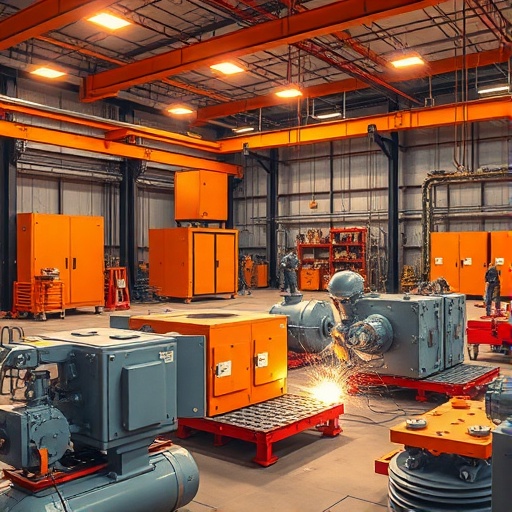
Evaluate a skid fabrication company on shop capacity, past project references, and in-house engineering depth. Request examples of completed modular process skids similar in size and service conditions. Site visits reveal cleanliness, equipment condition, and safety culture. Ask about typical inspection hold points and how the company manages changes during the fabrication process. A reliable partner maintains open communication and provides clear documentation at every stage.
The Importance of Licensing and Compliance
Licensed fabricators hold ASME stamps for pressure vessel and piping work plus API certifications for oil and gas equipment. Compliance with OSHA, EPA, and state environmental rules protects both workers and the client. Proper licensing ensures welders carry current qualifications and that pressure vessels receive code stamps before shipment. Verifying these credentials early avoids regulatory delays when the modular skid arrives at the installation site.
Assessing Cost vs. Quality in Fabrication Services
Lowest bid rarely delivers the best long-term value in custom skid fabrication. Compare detailed quotations that break out material grades, weld procedures, and testing scope. Higher initial cost often reflects superior alloys, more rigorous nondestructive examination, and better documentation. Factor in lifecycle expenses such as maintenance access and expected service life when evaluating skid fabrication services. A quality-focused fabricator reduces the risk of costly field repairs or production interruptions after startup.
See Also
- How to Choose the Right Skid Fabrication Company for Your Needs
- Understanding the Licensing Requirements for Skid Fabricators
- Mastering Skid Fabrication Techniques for the Oil and Gas Industry
- The Role of Quality Assurance in Skid Manufacturing Success
- Exploring Advanced Technologies in Modular Skid Fabrication