A Deep Dive into ITAR Compliance and AS9100 Certified Machining
Understanding ITAR Compliance in Aerospace Manufacturing
What is ITAR and Its Importance in Aerospace
The International Traffic in Arms Regulations (ITAR) governs the export and import of defense-related articles and services. ITAR compliance is critical for companies involved in aerospace manufacturing, particularly those producing items that fall under the U.S. Munitions List (USML). This regulation ensures that sensitive technologies do not fall into the hands of foreign entities that may pose a security risk. For aerospace companies, ITAR compliance not only safeguards national security but also enhances their reputation as responsible manufacturers in the global market. Non-compliance can result in severe penalties, including hefty fines and loss of export privileges, making adherence essential for sustainable business operations.
Key ITAR Regulations for Machining Companies
Machining companies in the aerospace sector must navigate several key ITAR regulations to maintain compliance. First, they must identify whether their products or services fall under the USML. This involves analyzing the specifications of components such as aircraft parts, missiles, and communication systems. Additionally, companies must implement robust record-keeping practices to document all exports and imports of ITAR-controlled materials. Training employees on ITAR regulations is also crucial, as any mishandling of sensitive information can lead to significant repercussions. Understanding these regulations prepares machining companies to effectively manage their responsibilities and maintain their standing in the aerospace industry.
Impact of ITAR on the Supply Chain for Aerospace Parts
ITAR compliance significantly influences the supply chain dynamics for aerospace parts. Manufacturers must establish strong relationships with suppliers and customers who also adhere to ITAR regulations. This can limit the pool of potential suppliers, as companies must ensure that all parties involved in the production and delivery of aerospace components comply with ITAR standards. Furthermore, compliance affects lead times and inventory management, as additional scrutiny may delay shipments of controlled items. However, the stringent controls also create opportunities for certified AS9100 machining companies to differentiate themselves by showcasing their commitment to quality and security, ultimately enhancing their competitive edge in the market.
The AS9100 Certification Process
Overview of AS9100 Certification and Its Benefits
AS9100 certification serves as the international quality management standard specifically tailored for the aerospace industry. This certification emphasizes the importance of safety, reliability, and quality in the manufacturing process. Achieving AS9100 certification offers numerous benefits, including improved operational efficiency and enhanced customer satisfaction. It enables companies to streamline their processes and reduce waste, thus leading to cost savings. Moreover, AS9100 certification strengthens a company's reputation, making it a preferred supplier in the aerospace sector. Customers prioritize certified AS9100 machining providers due to their proven commitment to quality and adherence to stringent industry standards, which ultimately fosters trust and long-term partnerships.
Differences Between AS9100 and ISO 9001 Certifications
While both AS9100 and ISO 9001 certifications focus on quality management, AS9100 is specifically designed for the aerospace industry. ISO 9001 serves as a general standard applicable across various sectors, emphasizing the importance of meeting customer requirements and continuous improvement. AS9100 builds upon ISO 9001 by incorporating additional requirements tailored to aerospace manufacturing, such as risk management, product safety, and regulatory compliance. This specialized focus makes AS9100 certification more rigorous, ensuring that aerospace companies meet the unique challenges of the industry. Companies aiming for certified AS9100 machining must understand these distinctions to tailor their quality management systems effectively.
Step-by-Step Guide to Achieving AS9100 Certification
Achieving AS9100 certification involves several essential steps. First, companies must conduct a gap analysis to identify areas needing improvement in their existing quality management systems. Next, they should develop a comprehensive plan that outlines the necessary actions to align their processes with AS9100 standards. Implementing the plan requires training staff and enhancing documentation practices. Following implementation, companies must conduct internal audits to verify compliance and identify any non-conformities. After addressing any issues, organizations can apply for certification through a recognized registrar. The final step involves undergoing a certification audit, where an external auditor evaluates compliance with AS9100 standards. Successful certification not only demonstrates commitment to quality but also opens doors to new opportunities in the aerospace market.
Certified AS9100 Machining: Standards and Practices
Quality Management in AS9100 Certified Machining
Quality management stands at the core of certified AS9100 machining practices. Companies must implement a systematic approach to manage quality throughout the manufacturing process. This encompasses everything from initial design and prototyping to final production and delivery of aerospace components. Regular audits and reviews ensure adherence to established quality standards, helping manufacturers identify areas for improvement. Engaging employees in quality management fosters a culture of accountability and continuous improvement, which is vital in the highly regulated aerospace sector. By prioritizing quality management, certified AS9100 machining companies can consistently meet or exceed customer expectations, enhancing their standing in the competitive aerospace industry.
Advanced CNC Machining Techniques for Aerospace Components
Advanced CNC machining techniques play a pivotal role in producing aerospace components with precision and efficiency. CNC (Computer Numerical Control) technology allows manufacturers to create complex geometries and achieve tight tolerances that are often required in aerospace applications. Techniques such as 5-axis machining enable manufacturers to machine intricate parts in a single setup, reducing the risk of errors and improving production timelines. Additionally, using state-of-the-art software for simulation and programming enhances the machining process by optimizing tool paths and minimizing waste. The integration of such advanced technologies reinforces the capability of AS9100 certified machining companies to deliver high-quality products that meet stringent aerospace standards.
Material Considerations: Metals and Plastics in Aerospace Applications
Choosing the right materials is crucial in aerospace manufacturing. Metals such as aluminum, titanium, and copper offer strength and durability, making them ideal for structural components. These materials must withstand extreme conditions, including high temperatures and pressure. On the other hand, advanced plastics also find their place in aerospace applications due to their lightweight properties and resistance to corrosion. The selection process involves assessing material characteristics, including weight, strength, and cost-effectiveness. AS9100 certified machining companies must understand these considerations to ensure they select the appropriate materials for each component, thereby enhancing performance and safety in aerospace applications.
The Role of Culture in Promoting Compliance and Quality
Building a Compliance Culture within Manufacturing Companies
Establishing a robust compliance culture within manufacturing companies is essential for maintaining ITAR and AS9100 standards. This culture should promote awareness and understanding of compliance requirements among all employees, ensuring that everyone plays a role in adherence to regulations. Training programs and ongoing education foster an environment where compliance becomes part of the daily routine. Encouraging open communication about compliance issues helps in identifying potential risks and addressing them proactively. A strong compliance culture not only protects the company from legal ramifications but also enhances overall quality and operational efficiency, positioning the organization as a leader in the aerospace industry.
Risk Management Strategies in AS9100 Certified Companies
Effective risk management strategies are vital for AS9100 certified companies to navigate the complexities of aerospace manufacturing. These strategies involve identifying potential risks early and implementing measures to mitigate them. Companies must regularly assess their processes, supplier relationships, and regulatory obligations to ensure they remain compliant and minimize risks. Utilizing tools such as Failure Mode and Effects Analysis (FMEA) can help organizations anticipate potential failures and develop contingency plans. By prioritizing risk management, AS9100 certified machining companies can enhance their resilience and reliability, ultimately ensuring the timely delivery of high-quality aerospace components.
Case Study: AIP Precision Machining's Approach to ITAR and AS9100 Compliance
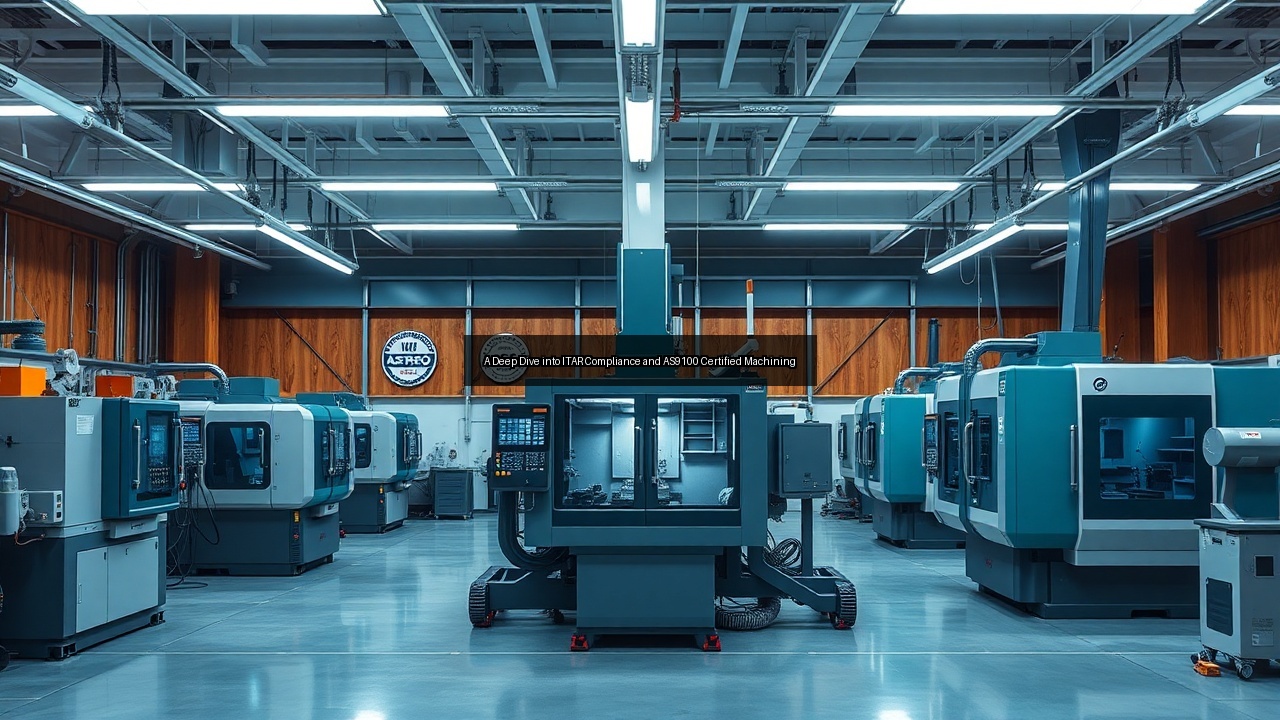
AIP Precision Machining exemplifies how a focus on ITAR and AS9100 compliance can drive success in the aerospace industry. The company has implemented a comprehensive compliance program that educates employees on ITAR regulations and AS9100 standards. AIP Precision Machining emphasizes the importance of quality management at every level of the organization, fostering a culture of accountability and continuous improvement. Their state-of-the-art machining facilities utilize advanced CNC technologies, enabling them to meet stringent tolerances required for aerospace applications. By integrating compliance into their operational framework, AIP Precision Machining not only ensures adherence to regulations but also positions itself as a trusted partner in the aerospace supply chain.