Exploring the Future of Eco-Friendly Plastic Jar Manufacturing
The Evolution of Plastic Jar Manufacturing
Historical Overview of Plastic Jars
Plastic jars revolutionized storage solutions starting in the mid-20th century, emerging as lightweight alternatives to traditional containers. Manufacturers first experimented with polystyrene in the 1940s, creating simple jars for household items like spices and creams. By the 1950s, companies scaled production, molding plastic into durable shapes that resisted breakage. These early plastic jars stored food products efficiently, from jams to condiments, in kitchens worldwide. Plastic jar manufacturing companies quickly adopted injection molding techniques, boosting output and reducing costs. The shift marked a boom in packaging innovation, with jars becoming staples in supermarkets. Today, historical designs influence modern eco-friendly versions, blending nostalgia with sustainability. As demand grew, suppliers expanded warehouses to handle bulk orders, ensuring plastic jars reached retailers swiftly. This foundation set the stage for advanced materials, transforming basic storage into versatile, eco-conscious options that dominate jar manufacturing today.
Transition from Glass to Plastic
Glass jars dominated packaging for centuries, prized for their clarity and inertness in preserving food products like spices and sauces. However, their fragility led to high breakage rates during transport, prompting plastic jar manufacturing companies to innovate in the 1960s. Polyethylene terephthalate (PET) emerged as a game-changer, offering similar transparency without the weight or shatter risk. Plastic jars quickly gained traction in the food industry, where lightweight designs cut shipping costs and improved safety. By the 1970s, plastic containers outnumbered glass in households, especially for mouth-care items and dry goods. Suppliers shifted inventories from fragile glass bottles to resilient plastic jars, streamlining wholesale distribution. This transition slashed environmental impacts from shattered shipments while enabling vibrant, branded packaging. Plastic jar manufacturers now view this era as pivotal, fostering a legacy of durable, user-friendly jars that prioritize convenience over tradition.
Innovations in Materials Used
Material innovations propelled plastic jar manufacturing forward, introducing high-density polyethylene (HDPE) in the 1970s for superior strength in food packaging. Engineers refined polyethylene terephthalate (PET) for clarity, mimicking glass while enhancing recyclability. By the 1980s, polypropylene joined the mix, providing heat resistance ideal for hot-fill processes in jars holding sauces or spices. These advancements allowed plastic jar manufacturing companies to create tamper-evident seals and ergonomic shapes, meeting consumer demands for safety. Biodegradable additives entered the scene in the 1990s, reducing plastic's environmental footprint. Today, innovations like PETG blends offer flexibility for custom designs in plastic containers. Suppliers leverage these materials to produce jars that withstand warehouse storage and global shipping. Jar manufacturing evolves rapidly, with companies investing in R&D to develop lighter, greener plastics that maintain quality for diverse applications, from cosmetics to pantry staples.
Sustainable Materials in Plastic Jar Production
Understanding PETG and Its Advantages
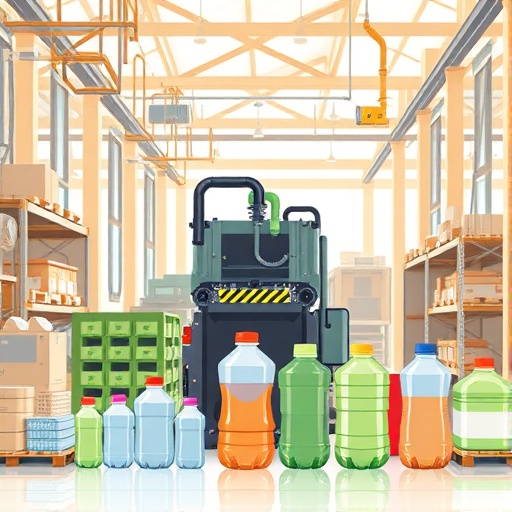
PETG stands out in plastic jar production for its blend of polyethylene terephthalate (PET) and glycol, delivering exceptional clarity and impact resistance. Plastic jar manufacturing companies favor PETG for jars that showcase colorful contents, like spices or lotions, without compromising durability. This material molds easily, enabling intricate designs for food products and personal care items. Unlike standard PET plastic, PETG resists cracking under pressure, ideal for active lifestyles and rough handling in transit. Its recyclability aligns with eco-friendly goals, as processors repurpose PETG into new packaging. Advantages include lower production energy compared to glass, reducing carbon footprints for suppliers. In wholesale markets, PETG jars command premium prices due to their versatility in plastic bottles and jars alike. Manufacturers integrate PETG to meet regulations on food-safe plastics, ensuring jars protect mouth-sensitive products. Overall, PETG drives sustainable innovation, balancing aesthetics, strength, and environmental responsibility in modern jar manufacturing.
The Role of Polypropylene in Eco-Friendly Jars
Polypropylene powers eco-friendly jar production with its lightweight, chemical-resistant properties, making it a top choice for plastic jar manufacturing companies. This thermoplastic withstands high temperatures, perfect for sterilizing jars used in food products like sauces or spices. Recyclable and versatile, polypropylene reduces waste in packaging cycles, appealing to sustainability-focused brands. Manufacturers mold it into stackable designs that optimize warehouse space and cut shipping emissions. Compared to polystyrene, polypropylene offers better flexibility without brittleness, enhancing jar longevity. Plastic jar suppliers highlight its low permeability, preserving freshness in plastic containers for extended shelf life. In eco-initiatives, companies blend polypropylene with bio-based additives to lower fossil fuel dependency. Wholesale distributors stock polypropylene jars for their cost-effectiveness and compliance with global recycling standards. As demand rises, polypropylene solidifies its role in creating jars that minimize environmental impact while delivering reliable performance for everyday use.
High-Density Polyethylene (HDPE): A Sustainable Choice
High-density polyethylene (HDPE) emerges as a cornerstone for sustainable plastic jar production, prized for its robustness and recyclability. Plastic jar manufacturing companies select HDPE for opaque jars that shield light-sensitive food products, such as dairy or spices, from degradation. This material's high strength-to-weight ratio allows thinner walls, conserving resources during molding. HDPE jars excel in chemical resistance, suiting cleaning products and mouthwashes without leaching toxins. Recycling streams handle HDPE efficiently, closing the loop in circular economies for plastic containers. Suppliers appreciate its affordability, enabling competitive pricing in wholesale channels. Compared to other plastics, HDPE boasts a lower melting point, easing energy-efficient production. Manufacturers innovate with post-consumer recycled HDPE, boosting eco-credentials for jars in retail. Warehouse logistics benefit from HDPE's durability, reducing damage in bulk shipments. As regulations tighten, HDPE leads sustainable choices, ensuring plastic jar manufacturers meet consumer calls for greener packaging without sacrificing quality.
Recycling and the Circular Economy
Recycling Processes for PET and HDPE
Recycling processes for PET and HDPE transform used plastic jars into valuable resources, fueling the circular economy in packaging. Collectors sort PET from clear bottles and jars, shredding them into flakes for washing and remelting into new PET plastic. HDPE follows suit, with opaque jars ground into pellets for injection molding fresh containers. Plastic jar manufacturing companies integrate these recycled materials, cutting virgin plastic use by up to 50 percent. Advanced sorting technologies, like near-infrared scanners, enhance purity in recycling plants. For food products, rigorous decontamination ensures recycled PET meets safety standards. HDPE's straightforward process supports high-volume recycling, benefiting suppliers who source sustainable feedstocks. Wholesale markets see recycled jars as cost-savers, with warehouses storing sorted bales efficiently. These methods reduce landfill waste, promoting jars that loop back into production seamlessly. As techniques evolve, recycling strengthens the backbone of eco-friendly plastic jar manufacturing.
The Impact of Recycling on Plastic Jar Manufacturing
Recycling reshapes plastic jar manufacturing by embedding sustainability into core operations, lowering costs and environmental burdens for companies. Manufacturers incorporate recycled PET and HDPE, producing jars that match virgin quality for food packaging and beyond. This shift cuts energy consumption by 60 percent in PET recycling, enabling plastic jar manufacturing companies to scale green initiatives. Suppliers gain from consistent recycled supply chains, stabilizing prices in wholesale distribution. Recycled plastics enhance brand loyalty, as consumers favor jars from circular processes. In warehouses, recycled materials store compactly, optimizing logistics for plastic containers. The impact extends to innovation, with companies developing hybrid jars blending recycled content for spices or cosmetics. Regulatory incentives reward recycling adoption, driving market growth. Overall, recycling fortifies plastic jar production against resource scarcity, creating resilient ecosystems where waste becomes raw material, propelling the industry toward zero-waste goals.
Challenges in Recycling Plastic Containers
Recycling plastic containers faces hurdles like contamination and sorting inefficiencies, complicating efforts in jar manufacturing. Mixed resins, such as PET blended with polypropylene, hinder clean separation in facilities, leading to downcycling rather than full reuse. Plastic jar manufacturing companies grapple with low collection rates, as only 30 percent of jars reach recyclers due to consumer habits. Labeling adhesives residue clogs machinery, demanding advanced washing tech that raises costs. For HDPE jars, color variations complicate reprocessing for food-grade applications. Suppliers encounter supply chain gaps, with warehouses overflowing unsorted plastics from wholesale returns. Polystyrene jars pose extra challenges, often landfilled for poor recyclability. Addressing these requires education on proper disposal and investment in AI-driven sorters. Despite obstacles, plastic jar manufacturers push innovations like mono-material designs to streamline recycling. Overcoming these barriers unlocks fuller circular potential, ensuring sustainable packaging thrives amid growing demands.
Trends in Eco-Friendly Packaging Solutions
Consumer Preferences for Sustainable Packaging
Consumers increasingly demand sustainable packaging, steering plastic jar manufacturing companies toward eco-friendly innovations. Shoppers prioritize recyclable jars made from PET or HDPE, favoring brands that highlight recycled content on labels. Surveys show 70 percent avoid products with excessive plastic waste, influencing food products like spices and sauces. Preferences lean toward transparent PETG jars that reveal contents without glass's fragility. Plastic jar suppliers respond by offering customizable, green options in wholesale lots. Mouth-care brands adopt minimalist designs to reduce material use, aligning with zero-waste ethos. In stores, sustainable jars boost sales, as eco-conscious buyers seek verifiable claims. Warehouse efficiencies improve with lightweight plastics, cutting transport emissions. Trends emphasize traceability, with apps tracking jar lifecycles from production to recycling. Plastic jar manufacturers capitalize on this by partnering with certification bodies, meeting preferences that blend convenience, ethics, and aesthetics for modern lifestyles.
The Rise of Biodegradable Plastics
Biodegradable plastics surge in popularity, offering a promising alternative in eco-friendly jar manufacturing. Derived from plant starches or algae, these materials break down naturally, unlike traditional PET or polypropylene. Plastic jar manufacturing companies experiment with PLA (polylactic acid) for jars holding dry food products, ensuring compostability within months. This rise counters plastic pollution, appealing to regulations in Europe and beyond. Suppliers integrate biodegradable additives into HDPE blends, creating hybrid jars for spices that degrade in industrial facilities. Challenges include higher costs, but wholesale volumes make them viable. Warehouses stock these alongside conventional plastics, diversifying inventories for plastic jar suppliers. For mouth-sensitive items, biodegradable options provide safe, non-toxic barriers. The trend accelerates with R&D in fungal-based plastics, potentially revolutionizing packaging. Manufacturers lead the charge, producing jars that dissolve harmlessly, reducing ocean-bound waste and fostering a biodegradable future for sustainable storage.
Comparative Analysis: Plastic vs. Glass in Food Packaging
Plastic outperforms glass in food packaging for its lightness and shatterproof nature, transforming jar manufacturing dynamics. While glass jars excel in premium aesthetics for spices and preserves, they weigh 10 times more, inflating shipping costs for suppliers. Plastic jars, crafted from HDPE or PET, maintain freshness equally well with advanced barriers, yet break less in transit. Recycling rates favor plastics at 30 percent versus glass's 33 percent, though plastics offer broader applications in plastic containers. Glass avoids chemical leaching concerns, but modern food-grade plastics match safety standards. Wholesale distributors prefer plastic for stackable efficiency in warehouses, easing logistics for bottles and jars. Cost-wise, plastic jars slash production expenses by 40 percent, enabling affordable packaging for everyday food products. Drawbacks include plastic's environmental perception, countered by recycled variants. Ultimately, plastic edges ahead in versatility and sustainability potential, guiding manufacturers toward hybrid solutions that capture glass's elegance without its pitfalls.
The Future Landscape of Plastic Jar Manufacturing Companies
Emerging Technologies in Production
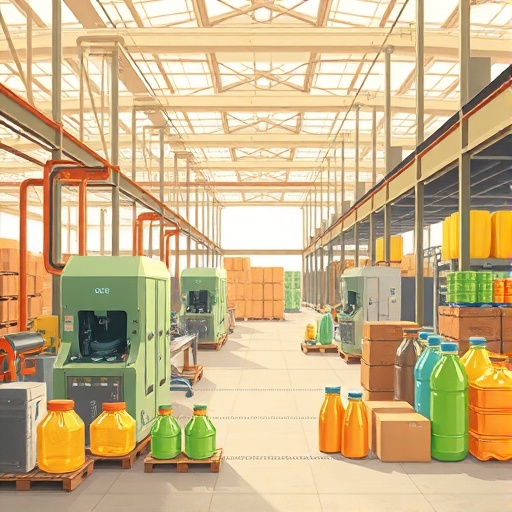
Emerging technologies redefine plastic jar manufacturing, with 3D printing enabling rapid prototyping of custom PETG jars. Companies adopt AI-optimized molding to minimize waste in HDPE production, ensuring precise shapes for food packaging. Blockchain tracks recycled content from warehouse to shelf, verifying sustainability for plastic jar suppliers. Nanotechnology infuses plastics with antimicrobial properties, ideal for mouth-care jars. Automation in injection processes boosts efficiency, allowing manufacturers to scale eco-friendly runs swiftly. Wholesale channels benefit from IoT sensors monitoring jar integrity during shipping. Bioprinting advances promise fully bio-based polypropylene alternatives, dissolving production barriers. Plastic jar manufacturing companies invest in these tools, forecasting 20 percent output gains. For spices and condiments, smart jars with embedded freshness indicators emerge, enhancing user experience. This tech-driven landscape propels innovation, positioning manufacturers as leaders in green packaging revolutions.
Market Demand for Eco-Friendly Plastic Jars
Market demand for eco-friendly plastic jars skyrockets, driven by regulatory pressures and consumer activism. Plastic jar manufacturing companies report 25 percent annual growth in orders for recycled PET variants, especially for food products. Retailers stock more HDPE jars with biodegradable linings, responding to bans on single-use plastics. Suppliers face surges in wholesale inquiries for sustainable packaging, from spice jars to cosmetic containers. Global trends favor transparent PETG for its recyclability, outpacing polystyrene options. Warehouses expand to handle increased volumes of green plastics, streamlining distribution. Demand influences pricing, with premium eco-jars fetching higher margins. Manufacturers adapt by certifying products under standards like ISCC, building trust. In emerging markets, affordable recycled jars penetrate households, reducing reliance on glass. This robust demand shapes a vibrant future, where plastic jar suppliers thrive by aligning with planetary health priorities.
Wholesale Distribution and Supply Chain Dynamics
Wholesale distribution evolves in plastic jar manufacturing, emphasizing resilient supply chains for eco-materials. Companies centralize warehouses near recycling hubs, ensuring steady PET and HDPE flows for production. Digital platforms connect manufacturers with global suppliers, optimizing orders for plastic jars in bulk. Disruptions like pandemics highlight needs for diversified sourcing, prompting local polypropylene production. Wholesale buyers prioritize traceable jars, using ERP systems to forecast demand for food packaging. Logistics firms adopt electric fleets, cutting emissions in jar transport. Plastic jar suppliers negotiate long-term contracts for stable pricing on recycled content. Dynamics shift toward circular models, where returned containers feed back into manufacturing loops. For spices and bottles, just-in-time delivery from warehouses minimizes inventory costs. This interconnected ecosystem empowers plastic jar manufacturing companies to navigate complexities, delivering sustainable solutions efficiently to end-users worldwide.
See Also
- The Hidden Benefits of Using Polypropylene for Plastic Containers
- From Spice to Sauce the Versatility of Plastic Jars in Food Products
- Wholesale Insights How to Choose the Right Plastic Jar Manufacturer
- Crafting the Perfect Jar Exploring Design Trends in Plastic Packaging
- The Battle of Materials Glass vs Plastic Jars for Modern Consumers