Enhancing Your Operations with Smart Screw Conveyor Technology
Understanding Smart Screw Conveyor Technology
Overview of Screw Conveyor Systems
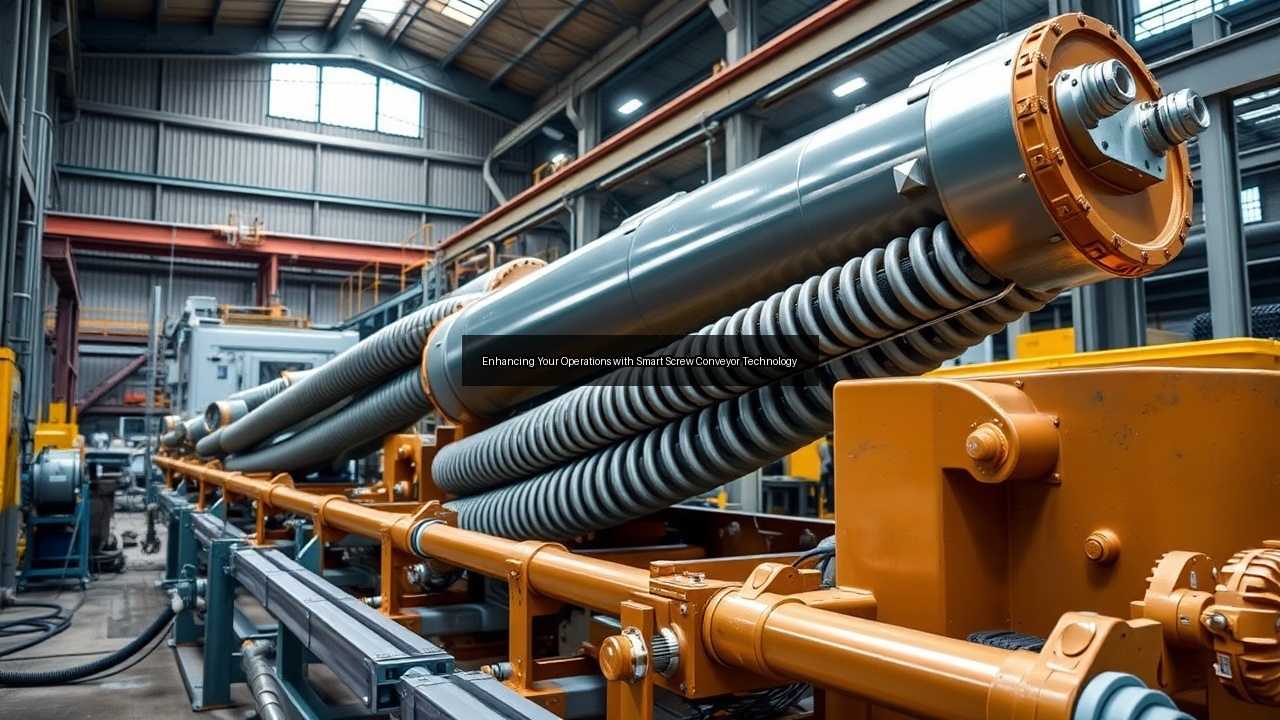
Screw conveyors, also known as auger conveyors, have long been a staple in material handling systems. These versatile devices transport bulk materials efficiently through a rotating helical screw element within a trough or tube. The simplicity of their design—consisting mainly of a screw blade, a housing, and a drive unit—makes them a reliable choice for various applications across industries. Their ability to handle a wide range of materials, from grains in agriculture to powders in the chemical sector, highlights their adaptability. Smart screw conveyor technology enhances this traditional mechanism by integrating advanced features such as sensors and automated controls, allowing for greater efficiency and real-time monitoring. As industries strive for optimization, these smart systems offer a pathway to improved operational productivity and resource management.
Key Features of Smart Screw Conveyors
Smart screw conveyors come equipped with a suite of innovative features that set them apart from standard models. Firstly, real-time monitoring capabilities enable operators to track performance metrics, including speed, load, and wear. This data collection allows for predictive maintenance, reducing downtime and prolonging the life of the equipment. Secondly, many smart systems now feature automated controls that adjust the conveyor's operation based on the material flow rate or operational needs. This results in significant energy savings and minimizes the risk of material spillage. Furthermore, enhanced safety features, such as emergency stop buttons and overload protection, ensure a safer working environment. These advancements not only streamline the transportation of materials but also contribute to the overall efficiency of production processes.
Advantages Over Traditional Conveyors
Smart screw conveyors offer numerous advantages over traditional conveyor systems. One of the most significant benefits is the increased efficiency in material handling. With automated features, these systems can adapt to changing conditions, minimizing waste and maximizing throughput. Additionally, the integration of smart technology reduces the likelihood of human error, leading to a more reliable and consistent operation. Traditional screw conveyors often require manual adjustments and monitoring, which can lead to inefficiencies and increased labor costs. In contrast, smart systems autonomously manage these tasks, allowing operators to focus on other critical areas of production. Moreover, the data-driven insights provided by smart conveyors facilitate informed decision-making, enabling companies to optimize their operations and reduce costs significantly.
Applications Across Industries
Screw Conveyors in Agriculture
Agriculture relies heavily on efficient material handling systems, and screw conveyors play a vital role in this sector. Farmers and agricultural companies utilize these conveyors to transport grains, seeds, and fertilizers. Their ability to move bulk materials steadily and safely makes them indispensable for operations like grain storage and feed mixing. Additionally, smart screw conveyors enhance agricultural processes by providing real-time data on material flow, allowing for better inventory management and reducing waste. For example, automated adjustments can optimize the feeding rates of grains into processing equipment, ensuring that operations run smoothly and efficiently. This level of precision not only maximizes productivity but also supports sustainable farming practices by minimizing resource use.
Utilization in Wastewater Treatment
Wastewater treatment plants benefit significantly from the use of screw conveyors. These systems transport sludge, screenings, and other waste materials through various stages of treatment. The durability and reliability of screw conveyors make them ideal for handling heavy, viscous materials often encountered in wastewater processes. Smart screw conveyor technology adds value by incorporating monitoring systems that track the flow and consistency of materials, ensuring efficient processing and enhancing overall plant performance. Data collected can help operators optimize treatment cycles and adjust for fluctuations in wastewater composition, leading to improved treatment outcomes. This optimization is crucial for maintaining compliance with environmental regulations and reducing operational costs.
Role in Cement Manufacturing
Cement manufacturing involves the movement of substantial quantities of raw materials and finished products, making screw conveyors essential in this industry. They efficiently transport materials such as limestone, clay, and additives throughout the production process. Smart screw conveyors facilitate this by providing real-time monitoring of material flow, which is critical for maintaining the correct ratios of ingredients. Additionally, the ability to automate the feeding of materials into crushers and mixers streamlines operations and reduces labor costs. As cement manufacturers increasingly focus on sustainability, smart screw conveyors contribute to more efficient material handling, minimizing waste and energy consumption throughout the production cycle.
Flexible Screw Conveyors for Biorefineries
Biorefineries require specialized material handling solutions for transporting biomass and other raw materials. Flexible screw conveyors excel in this application due to their adaptability and ease of installation. They can navigate complex layouts and fit into tight spaces, making them ideal for biorefineries where space is often at a premium. Smart technology enhances flexible screw conveyors by allowing for precise control over material flow, which is essential for maintaining the quality and consistency of bioproducts. The ability to monitor and adjust the systems in real-time ensures that operations remain efficient and responsive to changing production needs, supporting the overall goals of sustainability and optimization within the biorefinery sector.
Choosing the Right Manufacturer and System
Factors to Consider When Selecting a Screw Conveyor Manufacturer
Selecting the right screw conveyor manufacturer is critical for ensuring the success of your operations. Key factors to consider include the manufacturer's reputation, experience, and the range of products they offer. A well-established manufacturer often has a proven track record of delivering high-quality systems tailored to specific industry needs. Look for manufacturers that provide customization options, as this allows for the adaptation of screw conveyors to unique operational requirements. Additionally, consider the availability of technical support and after-sales service; robust support can significantly impact the longevity and efficiency of your equipment. Finally, evaluate customer reviews and case studies to gauge the manufacturer's reliability and the effectiveness of their screw conveyor systems.
Comparing Screw Conveyor Systems from James Eagen Sons
James Eagen Sons stands out among screw conveyor manufacturers with their commitment to quality and innovation. Their screw conveyor systems incorporate advanced technology that improves efficiency and screw conveyor systems from James Eagen Sons reliability. When comparing their offerings, consider the specific features that align with your operational needs. James Eagen Sons provides various configurations, including flexible screw conveyors, which can be particularly beneficial for industries requiring adaptability. Additionally, their systems are designed for easy maintenance, which is essential for minimizing downtime. Evaluating the performance metrics and customer feedback on James Eagen Sons’ products will help in making an informed decision, ensuring that you select a system that enhances your operational capabilities.
Custom Solutions for Specific Needs in Paper Mills and Desalination Plants
Paper mills and desalination plants often face unique challenges in material handling that require customized screw conveyor solutions. In paper mills, screw conveyors transport pulp and paper products efficiently, needing to withstand the abrasive nature of these materials. Custom designs may include reinforced materials and specific configurations that enhance durability and performance. In desalination plants, screw conveyors play a crucial role in transporting brine and other byproducts. Custom solutions that accommodate varying flow rates and material characteristics are essential for optimizing operational efficiency. Collaborating with a manufacturer that specializes in custom screw conveyors ensures that your specific needs are met, leading to improved productivity and resource management in these demanding environments.
See Also
- Maximizing Productivity with Custom Screw Conveyor Solutions
- Exploring the Cost Benefits of Screw Conveyor Systems
- Screw Conveyors vs Roller Conveyors Which is Right for Your Project
- Why Screw Conveyors are Essential for Cement Transportation
- The Role of Screw Conveyors in Efficient Wastewater Treatment