Custom Feed Screws in America: A Look at Local Manufacturing Trends
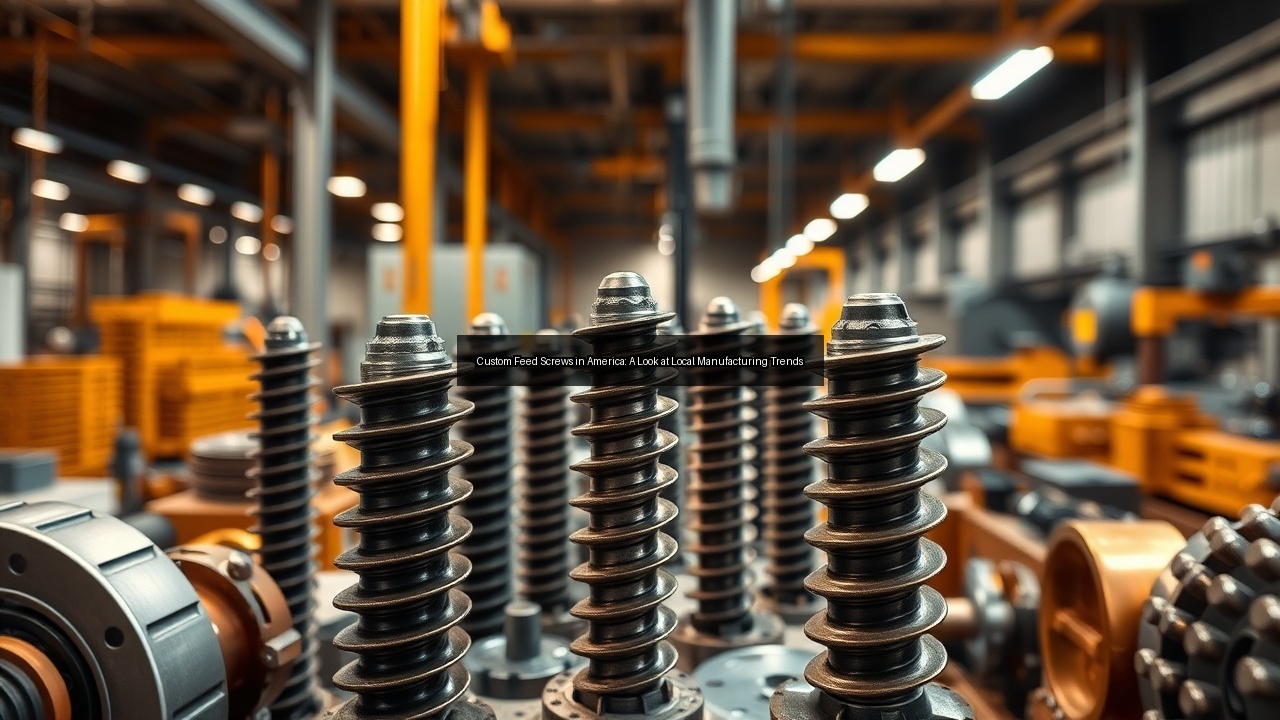
Understanding Custom Feed Screws in American Manufacturing
The Role of Custom Feed Screws in Various Industries
Custom feed screws serve a pivotal role in numerous industries, including food processing, plastics, and pharmaceuticals. These specialized screws, designed to transport materials efficiently, ensure that production lines operate smoothly. In the food industry, for instance, custom feed screws handle ingredients like juice concentrates and powders, maintaining consistent flow and preventing contamination. In plastic manufacturing, they play a crucial role in the extrusion of polymers, guaranteeing uniformity in the final product.
Moreover, custom feed screws are integral to the operation of screw conveyors, which transport bulk materials across various manufacturing environments. Their design can vary significantly based on the application, with factors like pitch, diameter, and length tailored to meet specific needs. By optimizing the performance of these screws, manufacturers can enhance productivity and reduce downtime, making custom feed screws indispensable in modern manufacturing processes.
Benefits of Custom Feed Screws in Material Handling
Choosing custom feed screws significantly improves material handling efficiency. These screws allow for precise control over material flow, crucial in applications where accuracy is vital. Customization enables manufacturers to tailor screw dimensions and materials to the specific characteristics of the substances being moved, whether they are viscous liquids, powders, or granules. This precision minimizes waste and ensures optimal performance.
Additionally, custom feed screws can incorporate wear-resistant materials, extending their lifespan and reducing maintenance costs. By selecting high-quality materials for screw production, manufacturers can enhance durability and adapt the screws to handle abrasive substances without compromising efficiency. This approach not only boosts productivity but also streamlines inventory management, as fewer replacements are required over time. Ultimately, the benefits of custom feed screws in material handling translate into significant cost savings and operational improvements for businesses across various sectors.
Trends in the Production of Custom Feed Screws
The Rise of CNC Machining in Screw Manufacturing
CNC machining has revolutionized the production of custom feed screws, offering unparalleled precision and efficiency. This advanced manufacturing technique utilizes computer-controlled tools to create intricate designs with minimal human intervention. Manufacturers can produce screws with complex geometries, ensuring they meet the specific requirements of various applications. The ability to quickly adjust designs and produce small batches without the need for extensive tooling saves time and reduces costs significantly.
Moreover, CNC machining enhances quality control. Automated processes minimize the risk of human error, ensuring that each custom feed screw meets stringent specifications. This high level of precision is particularly important in industries like pharmaceuticals, where even minor deviations can lead to significant issues. As the demand for customized solutions continues to grow, CNC machining positions manufacturers to respond swiftly to market needs while maintaining high standards of quality.
Innovations in Injection Molding for Custom Screws
Injection molding technology has seen significant innovations, impacting the production of custom feed screws. This process allows for the creation of intricate shapes and designs that traditional methods struggle to achieve. By using injection molding, manufacturers can produce screws with complex profiles that enhance their functionality in material handling applications.
Advancements in materials also play a crucial role. Manufacturers now have access to high-performance plastics that offer excellent wear resistance, thermal stability, and chemical compatibility. These materials not only extend the lifespan of custom feed screws but also improve their performance in demanding environments. The ability to produce screws in varied colors and finishes further allows manufacturers to integrate branding into their products, adding value in competitive markets.
Overall, innovations in injection molding streamline the production process, reduce waste, and enhance the overall quality of custom feed screws, making them a preferred choice for many manufacturers.
The Impact of Extrusion Techniques on Feed Screw Design
Extrusion techniques significantly influence the design and functionality of custom feed screws. The process involves forcing material through a die, shaping it into the desired form. This allows for the creation of long screw lengths with consistent diameters, essential for applications like screw conveyors and specialized machinery.
Moreover, advancements in extrusion technology enable manufacturers to experiment with different screw configurations. By adjusting parameters such as flight depth, pitch, and material composition, engineers can optimize screws for specific materials, improving their efficiency in material handling. For example, a feed screw designed for a viscous substance may have a different pitch than one intended for granular materials, ensuring maximum flow and minimal blockage.
The impact of extrusion on feed screw design extends beyond functionality; it also influences manufacturing costs. Efficient extrusion processes reduce production time and material waste, leading to lower overall costs for manufacturers. As industries continue to evolve, the emphasis on extrusion techniques will likely grow, shaping the future of custom feed screw production.
Key Players in the Custom Feed Screw Market
Top Manufacturers of Custom Feed Screws in America
Several key players dominate the custom feed screw market in America, each contributing unique solutions to varied industries. Companies such as Nordson Corporation and Conair Group stand out for their innovative designs and advanced manufacturing capabilities. Nordson, known for its precision extrusion equipment, produces high-quality feed screws tailored to specific applications, enhancing productivity and efficiency.
Similarly, Conair Group offers a wide range of custom screws for various material handling applications. Their expertise in polymer processing allows them to create screws that meet the stringent demands of the plastics industry. Other notable manufacturers include Davis-Standard and Baker Perkins, both recognized for their commitment to quality and customer service in the custom feed screw sector.
These manufacturers leverage advanced technologies like CNC machining and injection molding, ensuring their products remain competitive in a rapidly evolving market. Their focus on innovation and quality solidifies their positions as leaders in the custom feed screw industry.
Case Studies: Successful Applications of Custom Feed Screws
Case studies highlight the transformative impact of custom feed screws on various manufacturing processes. In the beverage industry, a leading juice manufacturer implemented custom feed screws to optimize the mixing and transportation of fruit concentrates. By customizing screw design and materials, the manufacturer improved flow rates, reduced waste, and enhanced product quality, resulting in a significant increase in productivity.
In another instance, a plastics manufacturer faced challenges with material consistency in their production lines. By adopting custom feed screws specifically designed for their unique polymer blends, they achieved better control over material flow. This change not only improved the quality of the final products but also reduced downtime due to blockages and maintenance issues.
These success stories demonstrate the versatility and effectiveness of custom feed screws across various industries. By tailoring designs to meet specific operational needs, manufacturers can enhance their processes, improve efficiency, and achieve higher levels of productivity.
Improving Efficiency and Productivity with Custom Feed Screws
Wear Resistance and Material Choices for Longevity
Choosing the right materials for custom feed screws directly affects their wear resistance and overall longevity. Manufacturers often select high-performance alloys and specialized plastics that can withstand the rigors of material handling processes. These materials resist abrasion, corrosion, and thermal degradation, ensuring that feed screws maintain their functionality over extended periods.
Additionally, coating technologies, such as hard-facing or polymer-based coatings, enhance wear resistance. These treatments create a protective layer that minimizes damage from abrasive materials, prolonging the life of the screws. By investing in durable materials and coatings, manufacturers reduce the frequency of replacements and maintenance, ultimately boosting productivity and lowering operational costs.
As industries evolve, the demand for longer-lasting, efficient custom feed screws will drive continued innovation in material science, leading to even more advanced solutions for manufacturers.
Enhancing Conveyor Systems with Custom Feed Screws
Custom feed screws play a vital role in enhancing the performance of conveyor systems. By integrating specialized screw designs into conveyor systems, manufacturers can optimize the movement of materials, ensuring smooth and efficient operations. The ability to tailor screws for specific materials, whether granules, powders, or liquids, allows for better control over flow rates and reduces the risk of blockages.
Moreover, custom feed screws can contribute to the overall design of conveyor systems. By adjusting screw dimensions and configurations, engineers can create systems that fit unique spatial constraints while maximizing efficiency. This flexibility ensures that manufacturers can adapt to changing needs without compromising performance.
Ultimately, the integration of custom feed screws into conveyor systems leads to improved reliability and efficiency, significantly enhancing overall productivity in manufacturing environments.
Optimizing Inventory Management for Custom Screw Production
Effective inventory management is crucial for manufacturers producing custom feed screws. By adopting just-in-time inventory strategies, companies can reduce waste and ensure that they have the necessary materials available without overstocking. This approach minimizes storage costs and allows for quicker response times to customer demands.
Additionally, utilizing advanced software for inventory tracking helps manufacturers monitor stock levels and predict future needs based on production schedules. By analyzing data trends, manufacturers can optimize their inventory practices, ensuring a seamless flow of materials into production.
Moreover, collaboration with suppliers also plays a key role in inventory optimization. Establishing strong relationships with material suppliers enables manufacturers to negotiate better terms and ensure timely deliveries, further enhancing efficiency. Ultimately, optimized inventory management leads to improved productivity and cost savings, positioning manufacturers to remain competitive in the ever-evolving custom feed screw market.