Boost Your Warehouse Efficiency with the Right Metal Hopper
Understanding the Role of Industrial Metal Hoppers in Warehousing
Importance of Metal Hoppers in Material Handling
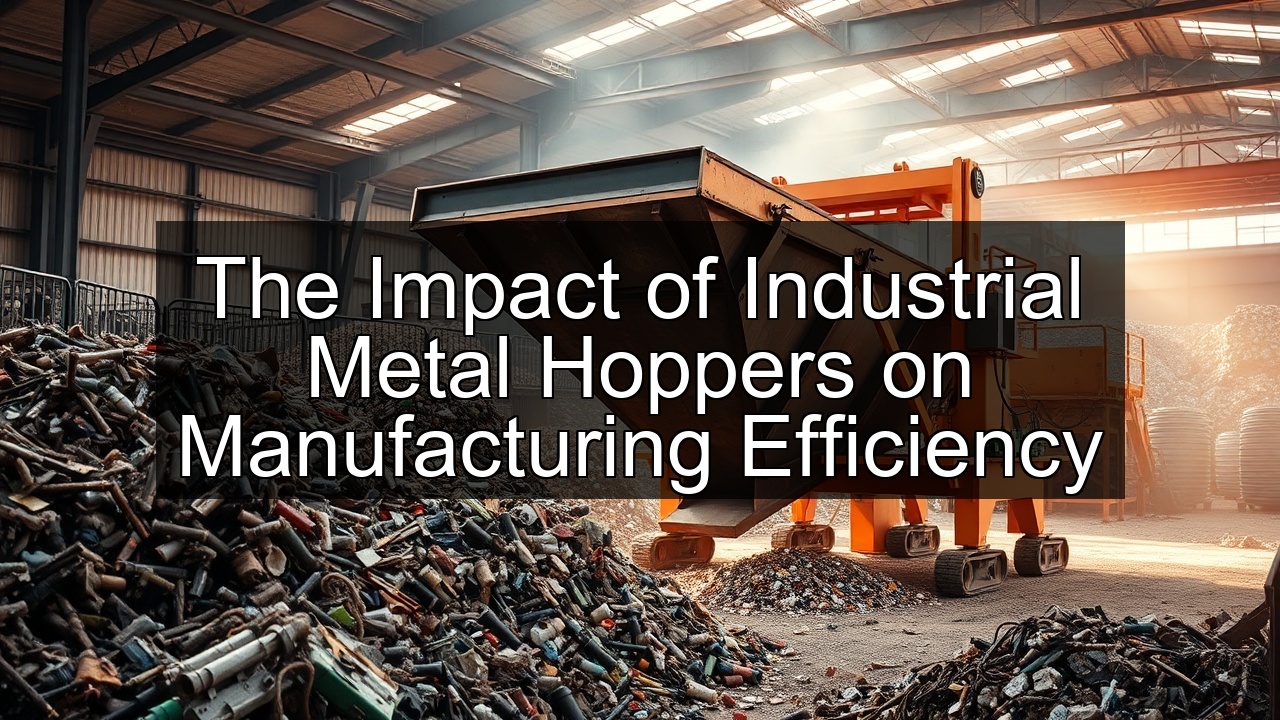
Industrial metal hoppers stand as essential tools in modern warehousing, streamlining the flow of materials from intake to output. These robust containers, often made from durable steel, handle everything from scrap and debris to bulk packaging items with precision. In material handling, they prevent bottlenecks by allowing workers to dump waste or recyclables directly into the hopper, reducing manual labor and minimizing downtime. Warehouses rely on these hoppers to manage trash and MRO supplies efficiently, ensuring smooth operations across manufacturing floors. Forklifts easily maneuver hoppers equipped with casters, positioning them near loading docks or assembly lines for quick access. The steel construction withstands heavy loads, often up to several thousand lbs, making them ideal for high-volume environments. By centralizing waste management, metal hoppers boost overall productivity, cutting costs associated with scattered debris. Operators appreciate their versatility in handling various waste types, from metal scraps to cardboard packaging remnants. Investing in quality industrial metal hoppers transforms chaotic storage areas into organized zones, directly impacting warehouse efficiency. These units integrate seamlessly with existing equipment like carts and trucks, facilitating faster turnover of goods. Ultimately, they elevate material handling standards, supporting lean manufacturing principles that prioritize speed and safety.
Overview of Hopper Types and Variations
Hopper types abound in the industrial landscape, each tailored to specific warehousing demands. Basic hopper industrial models feature open tops for easy loading, while enclosed variations protect contents from contamination. Metal hoppers dominate due to their strength, with steel versions offering superior resistance to corrosion and impacts compared to plastic alternatives. Hopper variations include self-dumping designs that tip automatically for efficient unloading, ideal for recycling scrap or debris. Industrial bins often double as hoppers, providing versatile storage for bulk items. Hopper metal options come in stationary or mobile forms, the latter fitted with casters for easy relocation around the warehouse floor. Industrial hoppers vary by shape—rectangular for tight spaces or conical for better flow of granular materials. Metal industrial equipment like these hoppers supports diverse applications, from waste collection to parts sorting in manufacturing. Industrial metal containers extend the lineup, with some featuring lids for secure transport via loaders. Hopper options also encompass specialized industrial storage hoppers for long-term holding of MRO items. Understanding these variations helps warehouses select units that align with operational needs, such as high-volume dumping or precise volume control. Metal bins and receptacles further diversify choices, ensuring every facility finds a fit for its material handling challenges.
Key Specifications to Consider for Efficiency
Selecting an industrial metal hopper demands attention to specifications that drive warehouse efficiency. Start with material gauge—thicker steel ensures longevity under heavy use, resisting dents from forklifts or loaders. Capacity ratings, measured in cubic yards or lbs, dictate how much scrap, trash, or packaging waste the hopper manages per cycle. Look for units from 2 yd up to larger cubic yard models for scaling operations. Dimensions influence footprint, with compact designs saving space in crowded aisles. Features like hydraulics for controlled dumping enhance workflow, allowing seamless integration with recycling processes. Casters provide mobility, rated for load-bearing up to thousands of lbs on uneven floors. Corrosion-resistant coatings protect against moisture in humid warehouses, extending service life. Specifications also cover safety elements, such as lockable gates to prevent accidental spills. Volume calculations ensure the hopper matches throughput rates, avoiding overflows that halt productivity. Evaluate dumping mechanisms—manual levers suit light duties, while automated systems excel in high-output manufacturing. Reputable manufacturers detail these specs clearly, aiding informed purchases. Prioritizing these factors maximizes the hopper's role in material handling, reducing waste management headaches and boosting overall warehouse rhythm.
Enhancing Warehouse Efficiency with the Right Metal Hopper
Optimizing Space: Footprint and Volume Considerations
Space optimization in warehouses hinges on choosing industrial metal hoppers with the right footprint and volume. Compact footprints allow placement in tight corners, freeing aisles for forklifts and carts. Steel hoppers balance size with capacity, holding up to cubic yard volumes without dominating floor space. Consider stacking capabilities—some models nest when empty, slashing storage needs during off-peak hours. Volume specs directly impact efficiency; a 2 yd hopper suits small-scale debris collection, while larger ones tackle bulk scrap from manufacturing lines. Integrate these with existing layouts to minimize dead zones, ensuring smooth material handling flows. Footprint measurements, often under 5 feet wide, fit alongside packaging stations or near loading docks. Mobile versions on casters roll effortlessly, adapting to shifting warehouse demands. By matching hopper volume to daily waste output, operations avoid frequent emptying, cutting labor costs. These considerations extend to MRO storage, where precise sizing prevents clutter. Ultimately, the right industrial metal hopper transforms limited space into a productivity powerhouse, supporting lean principles that prioritize every square foot.
Integrating Forklifts and Loaders for Seamless Operations
Forklifts and loaders integrate flawlessly with industrial metal hoppers, creating seamless warehouse operations. These machines lift hoppers by reinforced lips or pockets, transporting scrap or recyclables across the facility without spills. Steel construction withstands the rigors of repeated handling, maintaining structural integrity under thousands of lbs. Equipped with casters, hoppers glide into position for loading, then lock securely for forklift attachment. This synergy speeds up dumping cycles, essential for high-turnover environments like manufacturing plants. Loaders handle bulk transfers from trucks to hoppers, streamlining inbound material handling. Safety features, such as stable bases, prevent tipping during maneuvers, complying with regulations. Operators train quickly on these setups, as intuitive designs minimize errors. Integrating hoppers with forklifts reduces manual cart usage, boosting productivity by 20-30% in many cases. For waste management, this means faster trips to recycling areas, cutting downtime. Hydraulics in some models aid in precise positioning, enhancing loader efficiency. Overall, this integration elevates warehouse rhythm, turning routine tasks into efficient processes that drive profitability.
Utilizing Hydraulics for Efficient Dumping and Recycling
Hydraulics revolutionize dumping and recycling in industrial metal hoppers, enabling controlled, effortless unloading. These systems tip the hopper at precise angles, discharging scrap, debris, or trash into trucks or bins without manual intervention. Steel frames support hydraulic cylinders rated for heavy loads, ensuring reliability in demanding warehouse settings. Operators activate levers or foot pedals for quick cycles, integrating seamlessly with forklift workflows. This setup excels in recycling operations, separating metals from other waste for streamlined processing. Hydraulics reduce physical strain, aligning with safety regulations that prioritize worker well-being. In manufacturing, they facilitate rapid emptying near packaging lines, maintaining production pace. Capacities from 2 yd to cubic yard accommodate varying volumes, with hydraulics scaling power accordingly. Maintenance remains straightforward, with seals designed for industrial durability. By automating dumping, these hoppers cut time per cycle, enhancing overall efficiency. Warehouses adopting hydraulic metal hoppers report faster recycling turnaround, lowering disposal costs and boosting environmental compliance. This technology transforms waste management from a chore into a competitive advantage.
Selecting the Best Metal Hopper for Your Needs
Comparing Metal Hopper Options for Waste Management
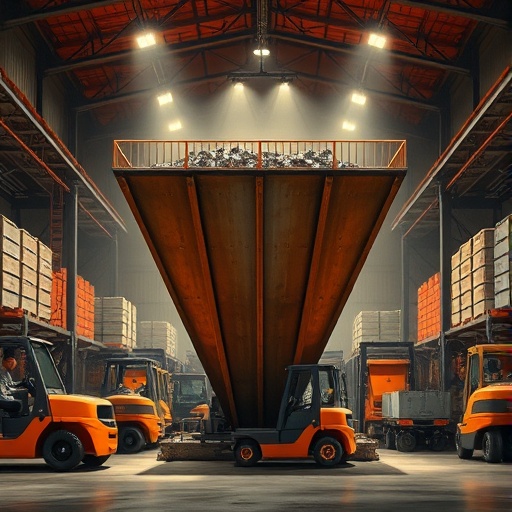
Comparing metal hopper options reveals tailored solutions for waste management in warehouses. Self-dumping models outperform static ones for frequent scrap handling, tipping loads into dumpsters effortlessly. Steel hoppers edge out aluminum for heavy-duty trash containment, resisting deformation under lbs of debris. Hopper options vary by mobility—caster-equipped units suit dynamic floors, while fixed versions anchor near high-waste zones like manufacturing areas. Industrial metal receptacles with lids secure odorous waste, preventing contamination in packaging sections. Evaluate flow rates for granular materials; sloped interiors in some hoppers prevent clogs during recycling dumps. Cost-benefit analysis favors durable steel over cheaper plastics, as longevity offsets initial outlay. Hopper industrial choices include U-shaped designs for forklift access, ideal for loaders in bulk operations. Metal bins integrate as multi-purpose hoppers, handling MRO waste alongside production scraps. Key differentiators include volume—from compact 2 yd for small tasks to cubic yard giants for large-scale management. Selecting based on specific needs ensures waste streams flow without interruption, optimizing warehouse efficiency.
Evaluating Manufacturers: Quality and Warranty Considerations
Evaluating manufacturers of industrial metal hoppers focuses on quality and warranty to secure long-term value. Top producers use high-grade steel, welded for seam-free strength that endures forklift impacts and heavy dumping. Certifications like ISO compliance signal adherence to manufacturing standards, reducing risks in material handling. Warranty terms vary—robust ones cover 5-10 years against defects, including hydraulics and casters. Reputable manufacturers offer customization, tailoring hoppers to warehouse footprints or load capacities up to thousands of lbs. Customer reviews highlight reliability in real-world scrap and recycling scenarios. Avoid fly-by-night suppliers; established names provide support for welding repairs or part replacements. Quality shines in details like rust-proof coatings for humid environments. Warranties often extend to safety features, ensuring compliance with regulations. By prioritizing these factors, warehouses invest in hoppers that enhance productivity without frequent downtime. Manufacturers with proven track records in industrial metal solutions deliver hoppers that integrate seamlessly with loaders and trucks, driving sustained efficiency.
Understanding Load Capacity: From 2 yd to Cubic Yard
Load capacity defines the utility of industrial metal hoppers, ranging from 2 yd to full cubic yard models. Smaller 2 yd units handle light debris or MRO waste in compact spaces, weighing under 1,000 lbs empty for easy cart mobility. Larger cubic yard hoppers manage bulk scrap from manufacturing, supporting 5,000 lbs or more with reinforced steel frames. Capacity impacts dumping efficiency—higher volumes mean fewer trips for forklifts, streamlining recycling. Specifications detail safe working loads, preventing overloads that violate safety regulations. Hydraulics in bigger models provide the force needed for controlled emptying into trucks. Warehouses scale choices by throughput; a 2 yd hopper suits packaging areas, while cubic yard versions excel in high-output waste management. Volume calculations factor in material density—metal scraps pack denser than trash, influencing effective capacity. Casters on mobile units must match load ratings to avoid failures. Understanding these ranges ensures hoppers align with operational demands, boosting productivity without excess investment.
Maximizing Profitability and Productivity
The Impact of Hoppers on Overall Warehouse Efficiency
Industrial metal hoppers profoundly impact warehouse efficiency, directly fueling profitability. They centralize material handling, allowing forklifts to transport loads swiftly without scattered debris slowing progress. Steel durability minimizes replacements, preserving budgets for core operations. In waste management, hoppers reduce recycling delays, turning potential costs into recoverable assets from scrap. Productivity surges as workers focus on value-added tasks rather than manual cleanup. Integration with loaders and hydraulics accelerates dumping, cutting cycle times by hours daily. Footprint optimization frees space for inventory, increasing throughput in manufacturing zones. Metrics show 15-25% efficiency gains post-adoption, translating to higher output per shift. Packaging processes benefit from nearby hoppers, containing trimmings to maintain clean lines. Safety improves, lowering accident-related losses. Overall, these hoppers embed lean practices, where every element supports profitability through streamlined flows and reduced waste.
Safety Regulations and Compliance in Material Handling
Safety regulations shape material handling with industrial metal hoppers, ensuring compliance protects workers and operations. OSHA guidelines mandate stable designs, with steel hoppers featuring non-slip surfaces and secure latching for dumping. Load limits in lbs prevent collapses during forklift lifts, avoiding injuries. Regulations require visibility aids like reflective markings for loaders in low-light warehouses. Hydraulics must include emergency stops to halt unintended tipping of scrap or debris. Training on caster mobility reduces trip hazards in aisles. Compliance extends to recycling setups, where hoppers segregate hazardous waste per EPA rules. Audits favor manufacturers with certified welding, guaranteeing structural integrity. Warehouses achieve zero-incident goals by pairing hoppers with PPE protocols. These measures not only meet legal standards but enhance productivity by fostering confidence in daily routines. Adhering to safety regulations turns potential liabilities into strengths, supporting long-term profitability.
The Role of Metal Hoppers in Streamlining Packaging Processes
Metal hoppers streamline packaging processes by containing waste at the source, keeping lines efficient. Positioned near stations, they collect cardboard, plastic wraps, and scrap metals instantly, preventing floor clutter that halts workflows. Steel models with 2 yd capacities suit moderate outputs, while cubic yard ones handle peak demands in high-volume manufacturing. Forklifts relocate full hoppers to recycling without disrupting packers. Hydraulics enable quick dumping into balers, accelerating material recovery. This setup integrates with carts for intra-line transport, minimizing downtime. Productivity rises as clean spaces reduce errors in labeling or sealing. Waste management improves, with hoppers sorting recyclables for direct truck loading. Specifications like volume ensure match to packaging throughput, avoiding overflows. Overall, these hoppers embed efficiency into every pack, boosting output and profitability through organized, fluid operations.
Maintenance and Best Practices for Longevity
Routine Checks for Safety and Performance
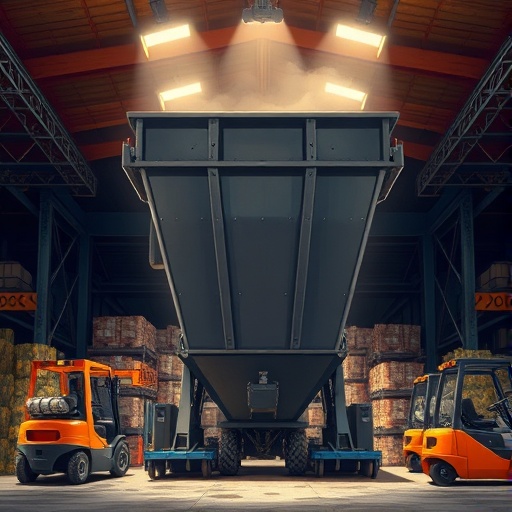
Routine checks maintain industrial metal hoppers' safety and performance, extending their warehouse lifespan. Inspect steel surfaces weekly for dents or corrosion, especially after heavy dumping cycles. Test hydraulics for leaks, ensuring smooth operation under load. Casters demand lubrication and bolt tightening to support mobile units up to thousands of lbs. Verify load capacities during scrap handling to prevent structural stress. Clean interiors to avoid debris buildup that impedes flow in recycling tasks. Safety checks include gate functionality and warning labels, aligning with regulations. Track usage logs for predictive maintenance, scheduling professional reviews quarterly. These practices catch issues early, minimizing downtime in material handling. Warehouses benefit from checklists that cover forklift interfaces, ensuring seamless integration. Consistent routines preserve efficiency, keeping hoppers as reliable assets in manufacturing and waste management.
Welding and Repair Techniques for Metal Hoppers
Welding and repair techniques restore industrial metal hoppers, ensuring they withstand warehouse rigors. MIG welding suits steel frames, providing strong bonds for cracked lips used in forklift handling. Professionals assess damage from dumping impacts, grinding surfaces before fusing for seamless strength. Repair kits from manufacturers include matching alloys, maintaining corrosion resistance. For hydraulics, seal replacements prevent fluid loss during heavy lifts. Casters fix with bolt reinforcements, supporting loads over 2 yd volumes. Best practices involve certified welders to comply with safety regulations. Post-repair testing simulates scrap loads, verifying integrity. These methods extend hopper life beyond warranty periods, cutting replacement costs. In manufacturing settings, on-site repairs minimize disruptions. Mastering these techniques keeps metal hoppers productive, supporting efficient debris and waste management.
Managing Debris and Scrap Efficiently with Hoppers
Managing debris and scrap efficiently with industrial metal hoppers optimizes warehouse cycles. Position hoppers strategically near generation points like cutting stations, capturing metal scraps and trash immediately. Self-dumping features empty contents into recycling trucks swiftly, reducing accumulation. Steel durability handles jagged debris without wear, maintaining performance over thousands of lbs. Integrate with loaders for bulk transfers, streamlining flows from manufacturing to disposal. Volume from 2 yd to cubic yard scales to debris volume, preventing overflows. Casters enable repositioning as needs shift, enhancing flexibility. Hydraulics control dumping angles for clean separation of recyclables. Track fill levels to schedule empties, boosting productivity. These strategies turn waste into a managed resource, aligning with MRO efficiency and safety protocols. Hoppers thus elevate overall operations, driving profitability through organized material handling.